

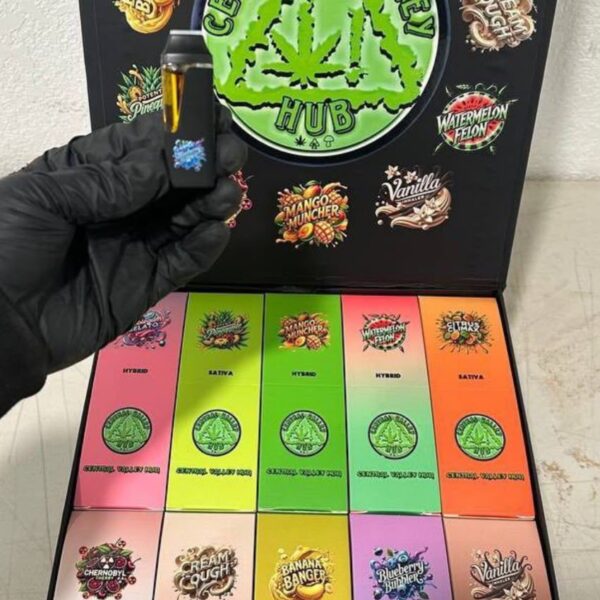
Central Valley Hub 2G Disposable
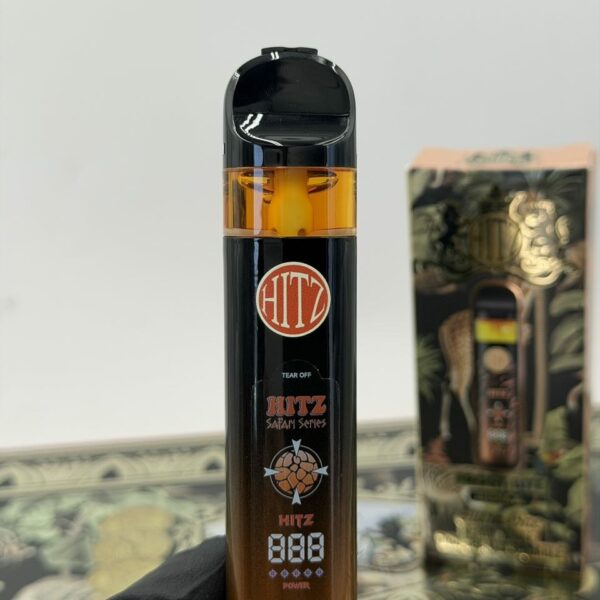
The Central Valley Hub 2G Disposable is a disposable cannabis vaporizer designed as an all-in-one device that combines a pre-filled oil reservoir, integrated battery, heating element, and mouthpiece within a compact housing. The device is intended for use as a portable vaporization system and is supplied in a disposable format rather than a refillable configuration.
The 2-gram capacity places it within the larger-capacity disposable vape category, providing a greater volume of oil than many standard 1-gram products. The integrated design eliminates the need for separate cartridges or external tank systems.
Device Design
The Central Valley Hub 2G Disposable features a compact form factor intended to support portability and storage convenience. The housing contains the oil chamber, battery system, airflow pathway, and heating components.
Design characteristics may include:
- Integrated battery system
- Pre-filled oil reservoir
- Compact construction
- Disposable configuration
- Built-in mouthpiece
- Portable size
The all-in-one format allows all major components to function within a single unit.

Oil Capacity
A primary feature of the Central Valley Hub Disposable is its 2-gram oil capacity.
This larger reservoir is designed to hold more oil than many standard disposable vape products. Consequently, the device may offer a longer usage period before disposal, depending on individual consumption patterns and operating conditions.
The larger capacity also reflects a broader trend within the vaporizer market toward extended-use disposable devices.
Vaporization System
The device utilizes an internal heating mechanism designed to vaporize the oil contained within the reservoir.
Heating systems used in disposable vaporizers generally focus on:
- Consistent oil vaporization
- Controlled heating
- Airflow compatibility
- Flavor retention
- Efficient oil utilization
Performance characteristics can vary based on oil formulation, hardware specifications, and environmental conditions.
Airflow Design
Airflow contributes significantly to the operation of disposable vaporizers.
The Central Valley Hub 2G Disposable incorporates airflow channels that allow vapor to travel from the heating chamber to the mouthpiece. Proper airflow design helps support consistent operation and balanced vapor production.
Additionally, airflow engineering influences draw resistance, vapor density, and overall device performance.
Battery Integration
The device contains an internal battery that powers the heating system.
Battery performance affects:
- Heating consistency
- Device longevity
- Vapor production
- Operational reliability
The battery is integrated directly into the housing and functions as part of the complete disposable system.
Construction and Hardware
Disposable vaporizers rely on the interaction of multiple hardware components.
These components commonly include:
- Battery assembly
- Heating element
- Oil chamber
- Airflow pathway
- Mouthpiece
- External housing
The compatibility of these elements influences the overall operation of the device.
Portability
Portability remains one of the defining characteristics of disposable vaporizer products.
The Central Valley Hub 2G Disposable is designed to be compact and self-contained. As a result, it does not require separate cartridge installation or external tank systems.
Its integrated construction supports transportation and storage in a relatively small footprint.
Product Category
The Central Valley Hub 2G Disposable falls within the disposable cannabis vaporizer category.
This category has expanded in recent years due to consumer interest in:
- Portable devices
- Self-contained systems
- Simplified operation
- Pre-filled configurations
- Larger-capacity disposable options
The 2-gram format places the product within the high-capacity segment of the disposable vape market.
Central Valley Hub 2G Disposable
Product Overview
Central Valley Hub 2G Disposable is a portable vapor device designed as a self-contained hardware system. The product integrates a reservoir chamber, battery, heating assembly, airflow pathway, and mouthpiece into a single compact unit. Devices within this category are commonly classified as disposable vapor products because the primary operational components are housed within one enclosed structure.
The 2-gram format places the device within the larger-capacity segment of disposable vapor products. Product specifications, hardware configurations, formulation characteristics, and manufacturing details may vary according to production batch, regional distribution requirements, and manufacturing revisions.
Disposable Vapor Device Category
Disposable vapor devices are designed as integrated systems rather than modular platforms. Unlike refillable products that require separate tanks or cartridges, disposable devices combine all essential operational components within a single housing.
Common integrated components include:
- Battery system
- Reservoir chamber
- Heating element
- Airflow channel
- Mouthpiece assembly
- Exterior protective housing
This design allows manufacturers to package hardware and formulation components within one portable unit.
Exterior Housing
The exterior housing provides structural support and protection for internal components. Manufacturers may utilize various materials depending on design objectives and production requirements.
Common housing materials may include:
- Engineered plastics
- Aluminum alloys
- Composite materials
- Hybrid material combinations
The housing helps protect the battery, reservoir, airflow pathway, and electrical components from routine handling and transportation conditions.
Product dimensions and exterior characteristics may differ among production versions.
Reservoir System
The reservoir chamber stores the formulation contained within the device. Reservoir design is an important component of disposable vapor hardware because it facilitates delivery of material toward the heating element during operation.
A 2-gram reservoir capacity is commonly associated with products intended to provide larger storage volume than smaller-capacity disposable formats.
Actual product longevity may vary according to:
- Usage frequency
- Inhalation duration
- Environmental conditions
- Device efficiency
- Storage practices
As a result, operational lifespan can differ among individual users.
Battery Technology
The integrated battery supplies electrical power to the heating element. Battery specifications vary according to hardware design and engineering requirements.
Disposable vapor products may utilize:
- Rechargeable battery systems
- Non-rechargeable battery systems
- Different power capacities
- Various charging interfaces
Battery performance may be influenced by environmental exposure, charging habits, storage conditions, and operating frequency.
Manufacturer documentation generally provides battery-related specifications when applicable.
Heating Element Design
The heating element converts reservoir contents into aerosol during operation. Manufacturers employ several heating technologies depending on product objectives and hardware architecture.
Examples include:
- Ceramic heating systems
- Mesh heating elements
- Coil-based technologies
- Hybrid heating configurations
Heating technology influences operational efficiency and thermal performance.
As vapor hardware evolves, manufacturers continue to introduce revised heating systems and component designs.
Airflow Pathway
The airflow pathway directs aerosol from the heating chamber toward the mouthpiece. Airflow engineering influences draw resistance and aerosol movement throughout the device.
Manufacturers may utilize:
- Restrictive airflow systems
- Balanced airflow configurations
- More open airflow designs
Variations in airflow architecture contribute to differences among hardware platforms.
The airflow channel is integrated into the overall device structure during manufacturing.
Internal Electronics
Modern disposable vapor devices frequently contain electronic components that coordinate power delivery between the battery and heating element.
These components may include:
- Power regulation circuitry
- Activation systems
- Safety controls
- Electrical connections
The specific configuration depends on the product design and manufacturing objectives.
Electronic systems are typically enclosed within the housing structure and are not intended for user modification.
Manufacturing Process
Production of disposable vapor devices generally involves multiple manufacturing stages.
Common stages may include:
- Component fabrication
- Hardware assembly
- Reservoir preparation
- Filling operations
- Battery integration
- Electronic testing
- Functional inspection
- Packaging and labeling
Manufacturing procedures vary according to facility standards and production methodologies.
Quality Assurance
Quality assurance programs are commonly implemented throughout production to evaluate product consistency and manufacturing accuracy.
Quality-control procedures may include assessment of:
- Battery functionality
- Reservoir integrity
- Airflow performance
- Heating element operation
- Packaging accuracy
Manufacturers often establish testing procedures intended to verify adherence to production specifications.
Testing requirements vary according to company standards and regulatory obligations.
Product Labeling
Product packaging typically provides information relevant to identification and compliance.
Examples may include:
- Product name
- Batch number
- Manufacturing information
- Ingredient disclosures
- Regulatory notices
- Storage recommendations
Labeling standards differ among geographic regions and regulatory authorities.
Packaging documentation serves as an important source of product-specific information.
Storage Recommendations
Environmental conditions may influence hardware integrity and formulation stability over time.
Factors commonly considered during storage include:
- High temperatures
- Direct sunlight
- Humidity exposure
- Extended storage duration
Manufacturers often recommend storage in cool, dry locations away from direct environmental exposure.
Appropriate storage practices may help preserve product condition throughout its intended shelf life.
Regulatory Environment
Disposable vapor products are subject to regulatory oversight in many jurisdictions. Regulatory frameworks may address:
- Manufacturing requirements
- Product testing standards
- Packaging specifications
- Labeling obligations
- Distribution procedures
Compliance requirements differ according to local, regional, and national regulations.
Manufacturers generally tailor packaging and documentation to meet applicable market requirements.
Product Category Context
Central Valley Hub 2G Disposable belongs to the broader category of disposable vapor hardware. Products within this category are characterized by:
- Integrated construction
- Portable design
- Reservoir-based systems
- Internal battery power
Products may be differentiated according to:
- Reservoir capacity
- Battery specifications
- Heating technology
- Airflow engineering
- Exterior design
Continued advancements in engineering and manufacturing contribute to ongoing changes throughout the disposable vapor segment.





Reviews
There are no reviews yet.