
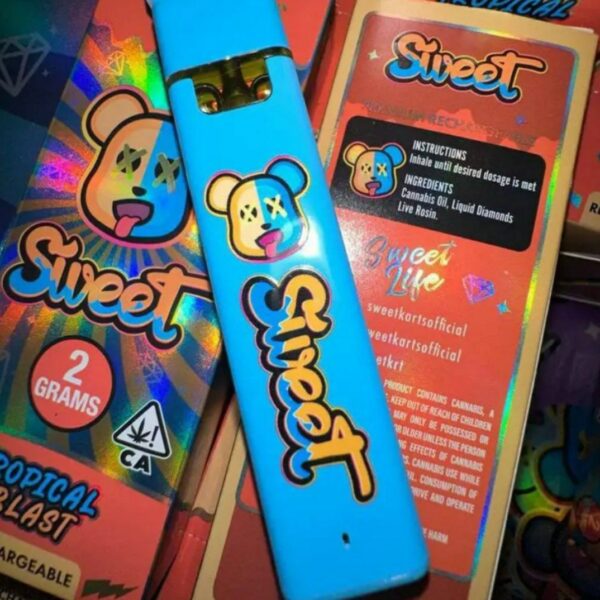
Gumbo 2G Disposable
Introduction
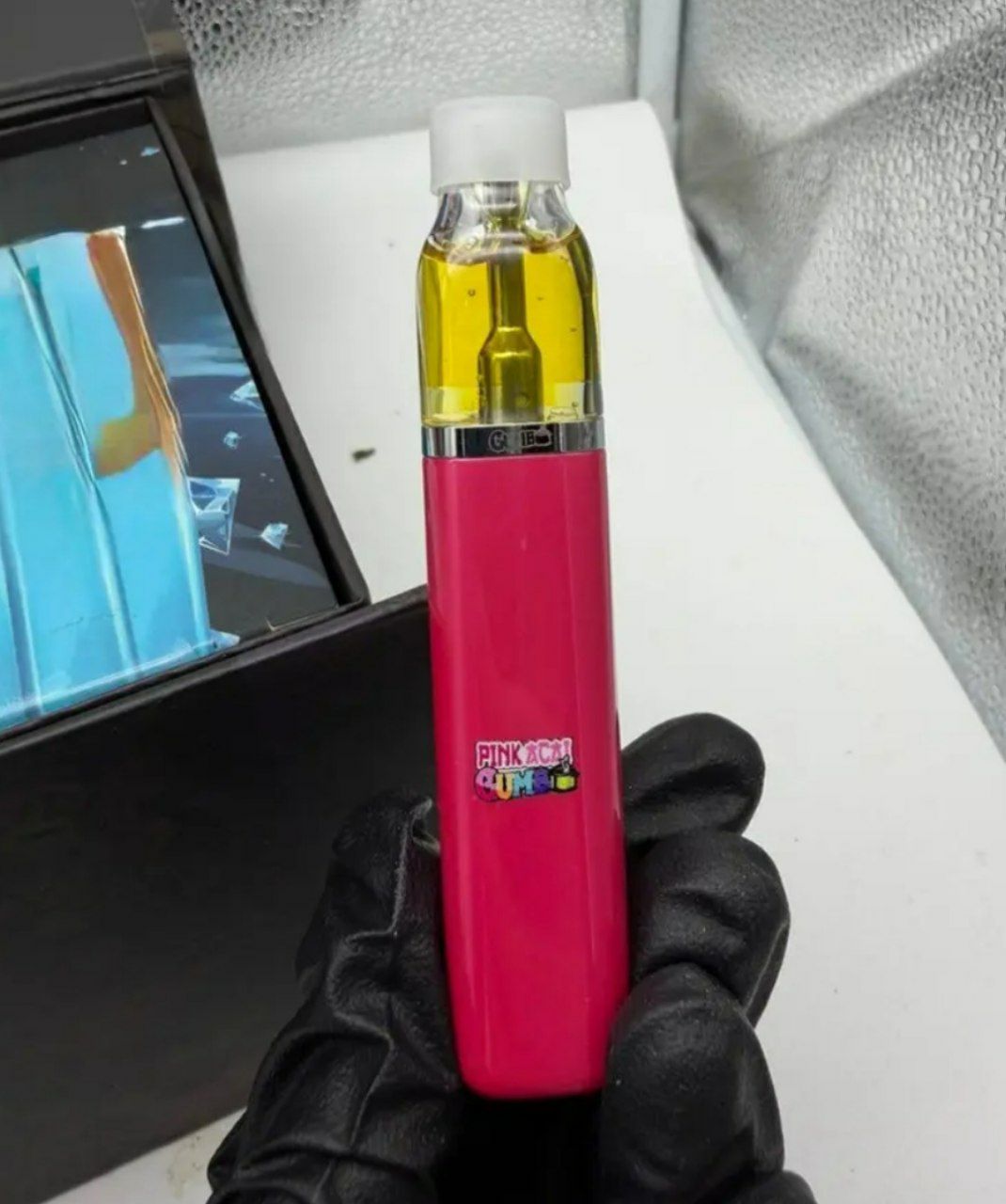
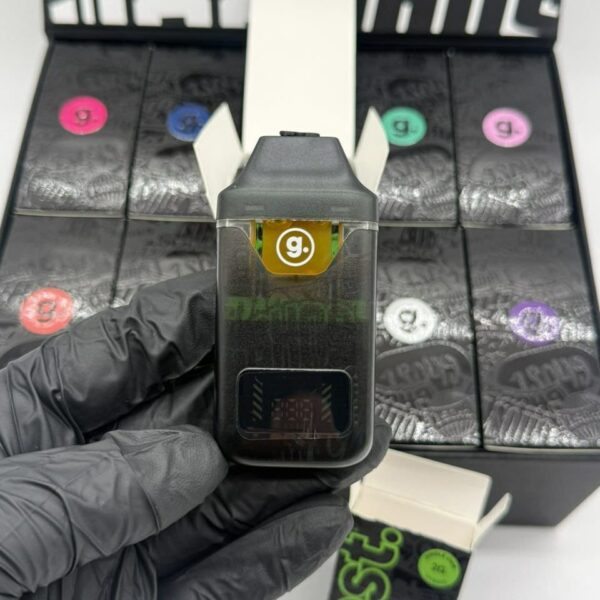
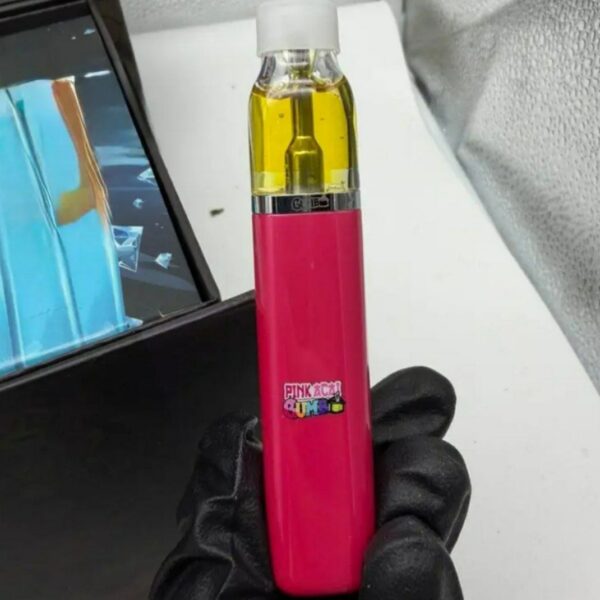
The Gumbo 2G Disposable is a compact, all-in-one vaporizer device designed to provide a convenient format for compatible cannabis oil. As a disposable device, it combines a rechargeable battery, heating element, oil reservoir, and mouthpiece into a single unit that requires no assembly before use. Products in this category are commonly selected for their portability, straightforward design, and maintenance-free construction.
This overview is intended for informational purposes only. Features, specifications, and materials may vary depending on the manufacturer, production batch, and regional regulations.
Device Design
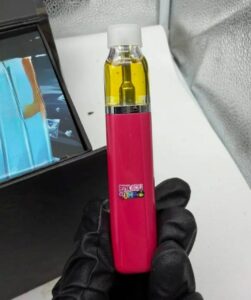
The Gumbo 2G Disposable typically follows a slim, lightweight design that fits comfortably in a pocket or small bag. The integrated construction eliminates the need for separate cartridges or external batteries, creating a compact solution for adult consumers in jurisdictions where cannabis products are legally available.
Many disposable devices feature:
- Lightweight housing
- Integrated mouthpiece
- Internal oil chamber
- Rechargeable battery
- USB charging compatibility (varies by model)
- Draw-activated heating system
The overall design emphasizes portability while reducing the number of individual components users must manage.
Disposable Construction
Unlike traditional vape systems that require cartridge replacement, disposable devices combine every major component into one enclosure.
Typical internal components include:
- Battery
- Heating coil
- Airflow channel
- Oil reservoir
- Protective shell
- Mouthpiece
Because these components are integrated, the device generally requires no setup before use.
Battery System
Many modern 2-gram disposable vaporizers include rechargeable lithium-ion batteries to help power the heating element until the oil reservoir is depleted.
Battery capacity varies among manufacturers, although rechargeable models are increasingly common because they help maximize the use of the product contents.
Some models include indicator lights that display charging status or battery level.
Heating Technology
Disposable vaporizers commonly use ceramic or similar heating materials that are designed to heat cannabis oil efficiently.
Heating technology may influence:
- Vapor consistency
- Temperature stability
- Flavor preservation
- Oil utilization
Actual performance depends on manufacturing quality and operating conditions.
Oil Capacity
A “2G” designation generally refers to an approximate two-gram oil capacity. Actual fill amounts may vary according to manufacturing tolerances and applicable regulations, Gumbo 2G Disposable, Gumbo 2G Disposable, Gumbo 2G Disposable, Gumbo 2G Disposable, Gumbo 2G Disposable.
The larger reservoir allows for extended use compared with smaller-capacity disposable devices.
Airflow Design
Airflow pathways help move vapor from the heating chamber through the mouthpiece.
Manufacturers may design airflow systems to support:
- Consistent vapor movement
- Reduced airflow restriction
- Comfortable inhalation
- Efficient vapor delivery
Performance varies between individual device designs.
Portability
Portable construction remains one of the defining characteristics of disposable vape devices.
Benefits of compact sizing include easier transportation, simplified storage, and fewer accessories compared with multi-piece vape systems.
Rechargeable Feature
Rechargeable disposable devices can help ensure that battery power remains available while oil remains in the reservoir.
Charging methods differ among manufacturers.
Some devices include:
- USB-C charging
- LED charging indicators
- Automatic charge protection
- Battery management circuitry
Always follow the manufacturer’s charging instructions.
Materials
Housing materials may include:
- Aluminum alloy
- Stainless steel
- Food-grade plastics
- Silicone seals
- Glass internal reservoirs
Material selection varies between manufacturers and production models.
Leak Resistance
Modern disposable devices often incorporate seals intended to reduce leakage during transportation and storage.
Proper storage can help maintain device condition.
Storage Recommendations
For optimal condition:
- Store in a cool, dry location.
- Avoid prolonged exposure to direct sunlight.
- Keep away from excessive heat.
- Store upright whenever practical.
- Keep out of reach of children and pets.
Maintenance
Disposable devices generally require little maintenance because they are designed as self-contained systems.
Users should avoid attempting to disassemble or modify the device.
Environmental Considerations
Disposable vape devices contain batteries and electronic components.
When the device reaches the end of its usable life, it should be disposed of through appropriate electronic waste or battery recycling programs where available, Gumbo 2G Disposable, Gumbo 2G Disposable, Gumbo 2G Disposable, Gumbo 2G Disposable.
Product Compatibility
Disposable devices are intended for their factory-filled contents and are generally not designed for refilling.
Attempting to refill or alter the device may affect performance and safety.
Safety Information
Use only as directed by the manufacturer.
Do not expose the device to:
- Fire
- Extreme temperatures
- Water
- Physical damage
If the device becomes damaged, discontinue use.
Quality Considerations
Quality may differ among manufacturers.
Consumers often look for information regarding:
- Manufacturing standards
- Laboratory testing
- Ingredient transparency
- Packaging integrity
- Authenticity verification
Availability of these features depends on the producer.
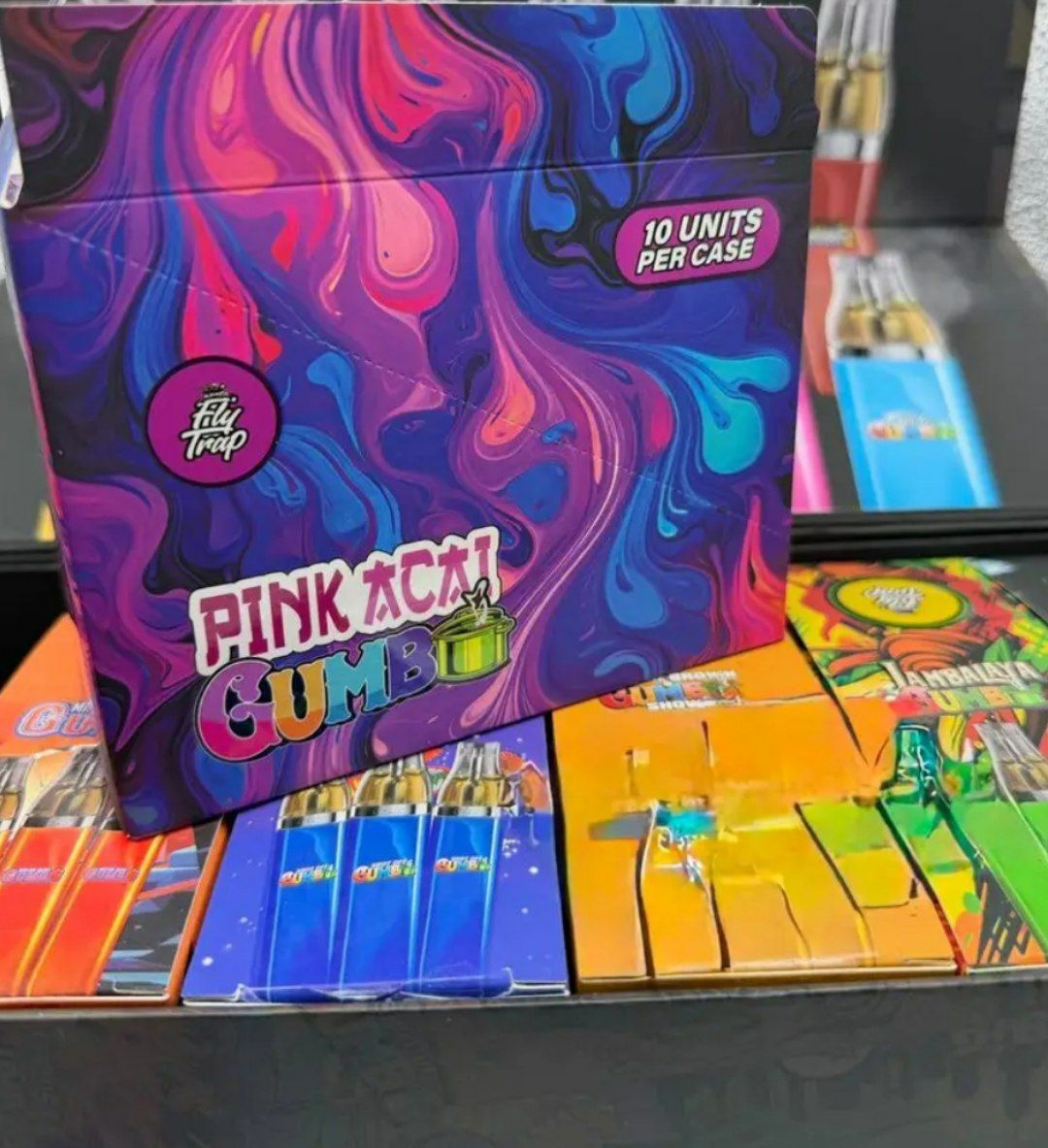
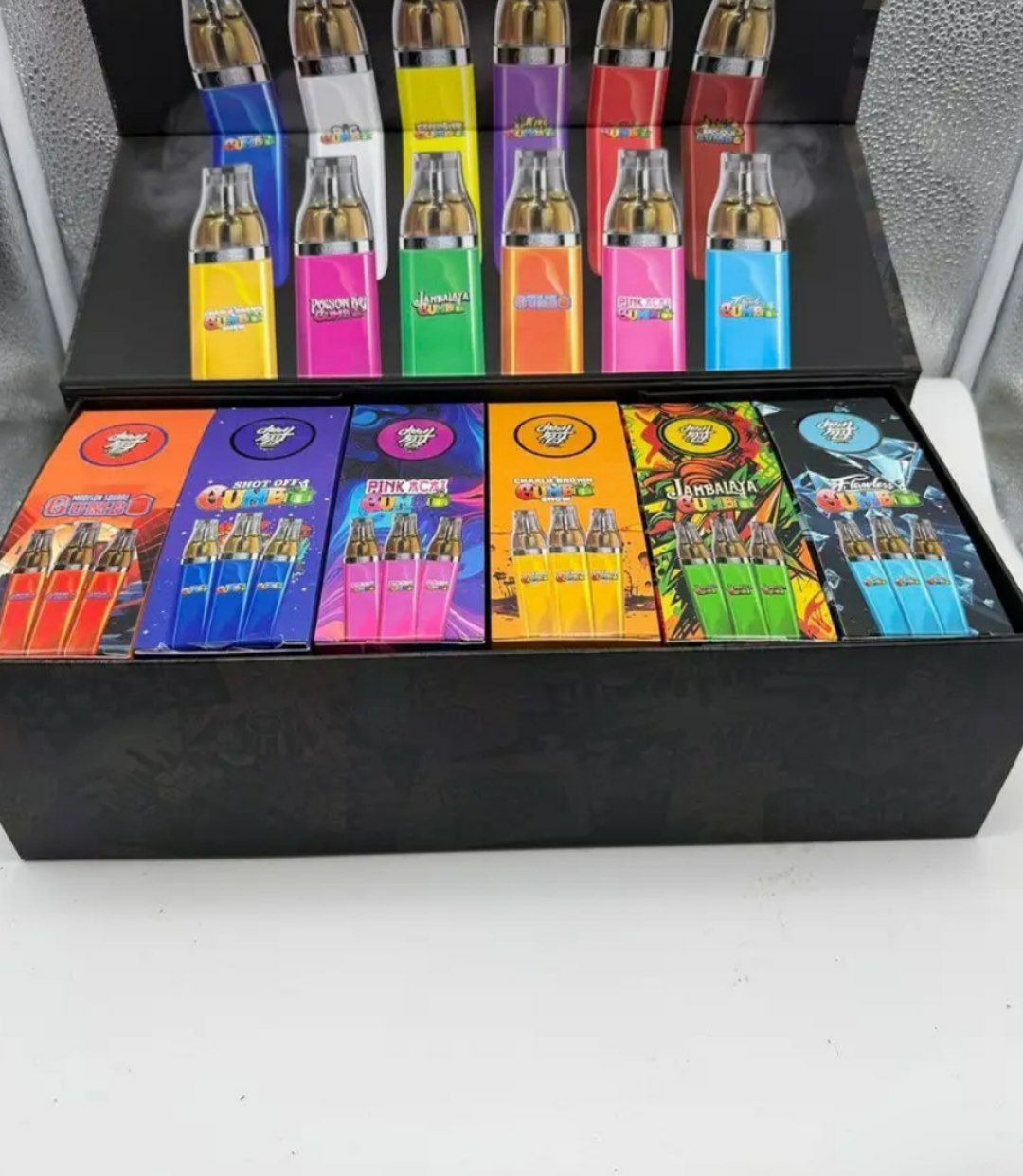
Packaging
Packaging may include:
- The disposable device
- Protective caps
- Product labeling
- Batch information
- Regulatory warnings
- Manufacturer details
Contents vary by manufacturer and jurisdiction.
Technical Specifications (Example)
| Feature | Description |
|---|---|
| Product Type | Disposable vaporizer |
| Capacity | Approximately 2 g |
| Activation | Draw activated |
| Battery | Rechargeable lithium-ion (model dependent) |
| Charging | USB compatible (varies) |
| Construction | Integrated all-in-one device |
| Refillable | Generally no |
| Portability | Pocket-sized |
| Intended Use | Factory-filled disposable vaporizer |
Frequently Asked Questions
What does “2G” mean?
It generally refers to an approximate two-gram oil capacity.
Is the device rechargeable?
Many modern disposable devices include rechargeable batteries, although specifications vary by manufacturer.
Can it be refilled?
Most disposable models are not designed to be refilled.
Does it require assembly?
No. Disposable devices are typically ready for use when removed from their packaging.
How should it be stored?
Store the device in a cool, dry location away from direct sunlight and excessive heat.
How should it be disposed of?
Dispose of electronic vape devices according to local regulations for batteries and electronic waste.
Gumbo 2G Disposable
The Gumbo 2G Disposable is an integrated electronic vaporizer device manufactured as a self-contained assembly. Depending on the manufacturer and hardware revision, the device may incorporate a rechargeable or non-rechargeable battery module, a printed circuit board, a heating assembly, an airflow system, an internal reservoir, and a mouthpiece within a compact enclosure. The integrated construction is intended to simplify manufacturing and component organization while reducing the number of separate parts.
This document provides a neutral overview of the device’s engineering concepts, structural design, manufacturing workflow, quality assurance practices, packaging systems, storage considerations, and product identification. Construction materials, dimensions, hardware features, and component layouts may vary among manufacturers and production batches.
General Device Architecture
The device follows an all-in-one engineering design in which major operating systems are assembled into a single enclosure during manufacturing. This approach supports compact dimensions and organized internal component placement.
A representative configuration may include:
- Exterior housing
- Internal reservoir
- Battery module
- Printed circuit board (PCB)
- Heating assembly
- Airflow pathway
- Mouthpiece assembly
- Electrical connectors
- Indicator light on applicable models
- Charging interface on rechargeable versions
Component placement is determined during engineering development according to manufacturing specifications.
Structural Housing
The exterior housing functions as both a protective enclosure and a structural framework. It supports internal assemblies during manufacturing, transportation, storage, and routine handling.
Material selection generally considers:
- Mechanical strength
- Weight reduction
- Manufacturing efficiency
- Electrical insulation
- Surface durability
Comparable electronic devices may incorporate aluminum alloys, stainless steel, engineering polymers, polycarbonate, and silicone sealing materials. Exterior finishes can differ between production runs.
Electronic Control System
The printed circuit board serves as the primary electronic controller. It coordinates electrical communication between the battery module, activation system, and heating assembly while regulating power distribution.
Depending on the hardware revision, the control system may include:
- Voltage regulation
- Current management
- Battery monitoring
- Activation detection
- Indicator management
- Integrated protection circuitry
Electronic layouts and firmware differ according to manufacturer specifications.
Battery Module
Rechargeable models commonly use lithium-ion battery technology because of its compact dimensions and energy-storage characteristics. Battery capacity, charging behavior, and protection systems vary according to hardware configuration, Gumbo 2G Disposable, Gumbo 2G Disposable, Gumbo 2G Disposable, Gumbo 2G Disposable, Gumbo 2G Disposable.
Battery performance may be influenced by storage conditions, ambient temperature, component age, manufacturing tolerances, and charging practices. Integrated protection circuits are generally incorporated into the battery management system.
Heating Assembly
The heating assembly converts electrical energy into thermal energy through an internal heating element. Depending on the engineering design, manufacturers may use ceramic, metal, or hybrid heating technologies.
The electronic controller regulates power delivery according to programmed operating parameters. Environmental conditions and manufacturing tolerances may influence operating characteristics.
Airflow Engineering
The airflow pathway directs air through engineered internal channels before it exits through the mouthpiece. During development, engineers evaluate internal geometry, channel dimensions, component spacing, and manufacturing efficiency.
Airflow considerations may include:
- Internal dimensions
- Channel geometry
- Component alignment
- Structural reinforcement
- Assembly compatibility
Design revisions may occur between hardware generations while maintaining similar engineering principles.
Manufacturing Workflow
Production generally follows a documented assembly sequence designed to promote consistency across manufacturing batches.
Representative manufacturing stages include:
- Incoming material inspection
- Housing preparation
- Electronic assembly
- Battery integration
- Heating assembly installation
- Internal alignment
- Functional verification
- Final enclosure assembly
- Packaging
- Documentation
Manufacturing methods differ according to production facilities and internal quality systems.
Quality Assurance
Quality management systems evaluate manufacturing consistency before distribution.
Inspection procedures may include:
- Exterior appearance evaluation
- Electrical continuity testing
- Battery verification
- Housing alignment inspection
- Component positioning review
- Packaging verification
- Label accuracy confirmation
Testing methods vary according to manufacturer standards and applicable regulations.
Packaging and Identification
Packaging protects the device during storage and transportation while providing product identification.
Packaging may include:
- Product name
- Model designation
- Batch or lot number
- Manufacturer information
- Production codes
- Regulatory notices
- Storage recommendations
- Recycling information
Packaging artwork and labeling may differ among production batches and regional markets.
Storage Considerations
Electronic devices containing batteries may be affected by excessive heat, moisture, direct sunlight, and physical impacts. Appropriate storage conditions vary according to manufacturer specifications. Official product documentation remains the primary source for model-specific handling and storage recommendations.
Environmental Considerations
Electronic devices that contain batteries should be managed in accordance with applicable electronic waste regulations. Where appropriate recycling programs exist, batteries, electronic components, metals, and certain plastics may be recovered and processed for reuse.
Mechanical Engineering Overview
The Gumbo 2G Disposable is designed as an integrated electronic assembly in which structural, electrical, and mechanical systems are combined within a compact enclosure. During product development, engineers evaluate internal dimensions, manufacturing tolerances, component compatibility, and structural stability to organize the available space efficiently. This engineering approach supports repeatable assembly processes while maintaining consistent component positioning, Gumbo 2G Disposable, Gumbo 2G Disposable, Gumbo 2G Disposable, Gumbo 2G Disposable, Gumbo 2G Disposable.
The internal architecture generally consists of several coordinated subsystems. These include the structural housing, battery compartment, printed circuit board, heating assembly, airflow pathway, electrical connections, and mouthpiece assembly. Each subsystem is designed to perform a specific function while remaining mechanically supported by the surrounding enclosure.
Although branding, surface finishes, and exterior graphics may differ between production batches, the underlying engineering principles generally remain similar across hardware revisions.
Structural Design
The structural enclosure provides mechanical support for internal components while protecting electronic assemblies during manufacturing, transportation, storage, and normal handling. The housing also maintains the alignment of internal systems throughout the product lifecycle.
Design objectives commonly include:
- Structural rigidity
- Dimensional stability
- Efficient component retention
- Manufacturing compatibility
- Reduced product weight
Modern engineering software is often used to evaluate enclosure geometry and optimize internal layouts before production begins.
Material Selection
Materials are selected according to engineering performance, manufacturing efficiency, and long-term durability.
Housing Materials
The enclosure may incorporate:
- Aluminum alloys
- Stainless steel
- Polycarbonate
- Engineering-grade polymers
These materials are commonly selected because they offer favorable mechanical properties and support efficient manufacturing.
Electrical Materials
Electronic assemblies commonly include:
- Copper conductors
- Printed circuit board laminates
- Electrical insulation materials
- Precision electrical connectors
The exact material composition depends on the manufacturer’s engineering specifications.
Sealing Components
Protective sealing systems may incorporate:
- Silicone elastomers
- Polymer gaskets
- Flexible sealing elements
These components contribute to enclosure integrity and assist with internal component positioning.
Electronic Control Architecture
The printed circuit board functions as the central electronic management system. It coordinates communication between the battery module, activation mechanism, and heating assembly while regulating electrical energy according to programmed operating parameters.
Electronic functions may include:
- Voltage regulation
- Battery monitoring
- Current management
- Activation detection
- Status indicator control
- Integrated protection circuitry
Electronic architecture may evolve as manufacturers introduce updated hardware generations.
Battery Integration
Rechargeable versions commonly use lithium-ion battery technology because of its compact dimensions and energy-storage characteristics. Battery integration requires attention to secure mounting, electrical isolation, and compatibility with surrounding components.
Battery system design may evaluate:
- Mounting stability
- Electrical connectivity
- Protection circuitry
- Charging interface compatibility
- Internal spacing
Specifications vary according to manufacturer and hardware revision.
Thermal Engineering
The heating assembly generates thermal energy within the enclosure. Engineers analyze heat distribution to maintain suitable separation between heat-producing components and nearby electronic assemblies.
Thermal management considerations may include:
- Heat-resistant materials
- Controlled component spacing
- Internal insulation
- Energy distribution
These engineering measures contribute to the stability of the integrated design.
Airflow System
The airflow pathway is incorporated into the mechanical structure during product development. Designers evaluate intake positioning, internal channel geometry, available volume, and production requirements while developing the airflow route.
Engineering considerations commonly include:
- Channel dimensions
- Component placement
- Structural reinforcement
- Manufacturing efficiency
- Assembly compatibility
Minor revisions may occur between hardware generations as manufacturing methods continue to evolve.
Manufacturing Quality
Manufacturing facilities typically implement documented quality management systems throughout production. Inspection checkpoints may verify component installation, structural alignment, electrical continuity, packaging quality, and production documentation.
Typical quality activities include:
- Incoming material verification
- Process inspections
- Final assembly review
- Packaging inspection
- Product identification verification
- Documentation control
These procedures support production consistency and product traceability.
Product Documentation
Manufacturers generally maintain technical documentation throughout the product lifecycle. These records support engineering control, inventory management, quality assurance, and manufacturing traceability.
Documentation may include:
- Engineering drawings
- Material specifications
- Assembly procedures
- Production records
- Inspection reports
- Packaging documentation
- Revision histories
These records allow manufacturers to associate finished products with specific production batches and engineering revisions.
Storage and Transportation
Environmental conditions such as temperature, humidity, physical handling, and exposure to light may influence electronic devices containing batteries. Appropriate storage practices help preserve product condition during warehousing and transportation. Manufacturer documentation remains the primary source for model-specific storage and handling guidance, Gumbo 2G Disposable, Gumbo 2G Disposable, Gumbo 2G Disposable, Gumbo 2G Disposable, Gumbo 2G Disposable.
Environmental Management
Electronic devices that contain batteries should be managed according to applicable electronic waste regulations. Recycling programs may recover battery materials, metals, electronic assemblies, and selected plastics where suitable recycling infrastructure is available.










Reviews
There are no reviews yet.