



Introduction
The Leafy 2G Disposable is part of the broader category of disposable electronic vaping devices that combine multiple internal components into a single enclosed unit. This type of product is designed around integrated construction, where the battery, heating assembly, airflow pathway, and electronic circuitry are housed within a compact exterior shell. As portable electronic technology has advanced, disposable devices have adopted increasingly refined engineering methods and manufacturing processes.
Modern disposable electronic devices are developed using compact design principles that prioritize efficient use of internal space. Consequently, engineers arrange each component to fit within a lightweight housing while maintaining structural stability throughout manufacturing and distribution. The Leafy 2G Disposable reflects this integrated approach to product development.

Device Construction
The physical structure consists of an enclosed housing that protects internal electronic components from normal handling during storage and transportation. Manufacturers generally select durable materials that balance strength with a lightweight profile. Additionally, the exterior shell supports product identification, regulatory labeling, and manufacturing information.
Inside the enclosure, multiple systems are organized into a compact arrangement. Typical sections include the battery compartment, heating assembly, airflow channel, electronic control circuitry, and structural supports. Because these components occupy limited internal space, precise assembly is an important aspect of manufacturing.
Internal Components
Disposable electronic devices typically incorporate several integrated systems that function together within the enclosure.
Common components include:
- Integrated battery
- Heating element
- Airflow pathway
- Electronic circuitry
- Protective housing
- Internal structural supports
Each component contributes to the overall architecture of the device. Furthermore, manufacturers evaluate compatibility between these systems during engineering and production.
Battery System
The battery provides electrical power for the internal electronics. During product development, engineers consider battery dimensions, electrical characteristics, and compatibility with surrounding components. Efficient placement supports compact construction while maintaining organized internal architecture.
Quality inspections commonly include verification of battery installation and electrical connections before products move to packaging.
Heating Technology
The heating assembly forms another important section of the device’s internal engineering. It is integrated into the overall architecture during manufacturing and positioned according to the product’s design specifications.
Modern manufacturing techniques emphasize precision during component installation. Therefore, automated equipment and inspection procedures are frequently used to improve assembly consistency.
Airflow Design
Airflow pathways are incorporated into the device architecture as part of the overall engineering process. Designers evaluate internal routing alongside the placement of structural supports and electronic components.
Computer-aided design software often assists engineers in optimizing internal layouts before production begins. Consequently, digital modeling helps improve manufacturing efficiency while reducing unnecessary design revisions.
Manufacturing Process
Production typically begins with inspection of incoming materials and electronic components. Afterward, individual parts are assembled into larger subassemblies before being installed within the exterior housing.
Throughout manufacturing, quality assurance procedures may include visual inspection, electrical verification, structural evaluation, and packaging review. These processes help support production consistency across manufacturing batches.
Packaging and Identification
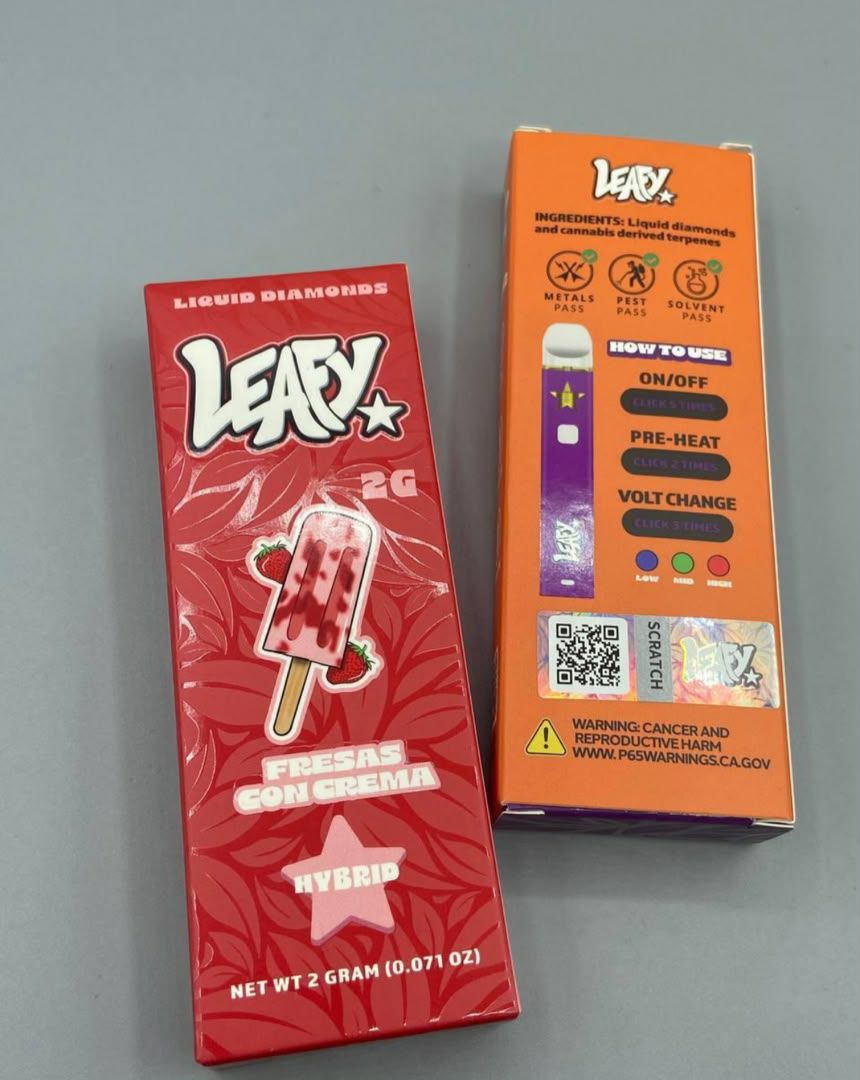
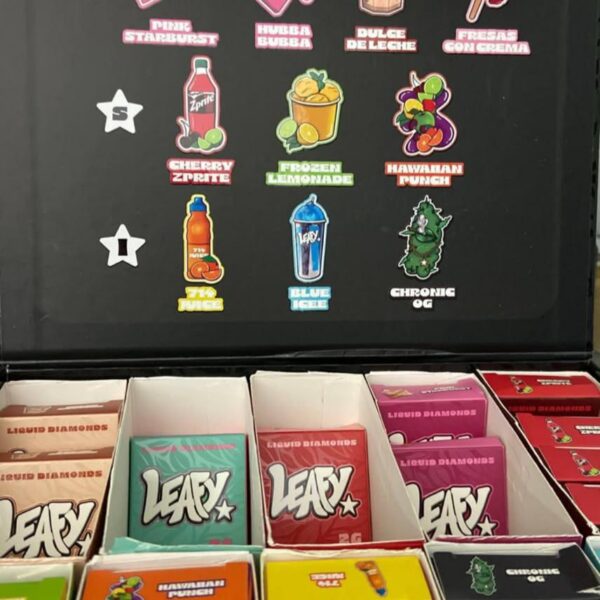
Packaging protects the product during transportation while providing product identification and required labeling. Depending on the destination market, packaging may include manufacturing details, regulatory notices, batch identification, and other information required by applicable standards.
Clear documentation contributes to traceability throughout distribution and inventory management.
Industry Context
Disposable electronic vaping devices represent one segment of the broader portable electronics industry. Over time, engineering improvements, manufacturing automation, and material innovations have influenced the development of increasingly compact and integrated product designs.
At the same time, regulatory frameworks continue to evolve in many regions. As a result, manufacturing practices, product documentation, and distribution requirements may differ depending on applicable laws and market expectations.
Product Engineering and Design Considerations
The engineering of compact electronic devices involves balancing functionality, structural organization, and manufacturing efficiency within a limited physical space. For products in the disposable electronic device category, designers evaluate how each internal component fits within the enclosure while maintaining compatibility with surrounding systems.
The Leafy 2G Disposable follows the integrated design approach that is common throughout modern portable electronics. The battery, electronic circuitry, airflow pathway, and protective housing are arranged as part of a unified structure. Consequently, the device architecture reflects careful planning during both the design and manufacturing stages.
During development, engineers often create multiple digital prototypes before production begins. Computer-aided design software allows internal layouts to be examined from different perspectives, helping development teams identify potential improvements in component placement and manufacturing efficiency.
Structural Organization
Structural organization refers to the internal arrangement of mechanical and electronic components. In compact electronic products, efficient organization supports manufacturing consistency while making effective use of available space.
The enclosure serves as the primary structural framework. It protects internal components and helps maintain their alignment during transportation, storage, and handling. Internal supports may also be incorporated to stabilize electronic assemblies and reduce unnecessary movement during manufacturing and distribution.
Furthermore, designers evaluate the relationship between individual components to improve compatibility and simplify assembly procedures.
Electronic Circuitry
Electronic circuitry provides communication between internal components within the device architecture. Conductive pathways connect the battery, heating assembly, and other electronic elements according to the product’s engineering specifications.
Circuit boards and electronic connections are typically assembled using automated manufacturing equipment. These production methods improve placement accuracy and contribute to consistent assembly across manufacturing batches.
Quality inspections frequently include verification of electronic connections before products continue through subsequent manufacturing stages.
Materials Engineering
Material selection influences durability, weight, manufacturing compatibility, and structural performance. Engineers evaluate several material categories during product development to determine their suitability for different sections of the device.
Exterior housings are commonly manufactured from durable polymers selected for their ability to protect internal electronics while maintaining a lightweight profile. Internal supports may use engineered plastics or lightweight metals depending on structural requirements.
Electrical conductors are selected according to their conductivity and compatibility with manufacturing processes. Insulating materials help separate electronic systems where appropriate, contributing to organized internal construction.
Material selection is reviewed throughout product development because it influences manufacturing efficiency as well as the long-term stability of the finished product.
Assembly Procedures
Production facilities generally divide assembly into several organized stages. Incoming components are inspected before assembly begins, helping manufacturers verify that materials meet established production requirements.
Automated equipment often positions electronic components within the enclosure according to predefined manufacturing specifications. Human operators may perform additional inspections during intermediate stages to identify cosmetic or structural irregularities.
Following assembly, completed units move through inspection procedures before packaging. These inspections support production consistency and help identify products requiring additional evaluation.
Quality Management
Quality management systems are designed to monitor manufacturing activities throughout production rather than relying solely on final inspection.
Inspection activities may include component verification, dimensional evaluation, electrical testing, visual examination, and documentation review. Information gathered during these procedures supports continuous improvement initiatives and production monitoring.
Manufacturers frequently maintain production records that document inspection results, manufacturing dates, and batch identifiers. These records contribute to traceability and support quality assurance programs.
Product Distribution
Once production is complete, packaged products enter distribution networks that connect manufacturing facilities with wholesalers, retailers, and regional warehouses.
Inventory management systems help track product movement throughout the supply chain. Organized documentation supports accurate inventory control while assisting transportation planning and warehouse operations.
Distribution procedures vary depending on destination markets, transportation methods, and applicable regulatory requirements. Nevertheless, documentation remains an important element throughout the logistics process.

Storage Considerations
Appropriate storage conditions contribute to maintaining the physical condition of electronic products before distribution and retail placement. Warehousing facilities commonly organize inventory using standardized storage systems that improve accessibility and reduce unnecessary handling.
Environmental conditions within storage facilities are generally managed according to manufacturer recommendations and applicable industry practices. Organized storage also supports inventory rotation and efficient distribution planning.
Environmental Responsibility
The management of electronic waste has become an important topic within the consumer electronics industry. Products containing batteries and electronic circuitry require appropriate disposal methods that comply with local regulations and recycling programs where available.
Many communities operate electronic waste collection programs designed to recover recyclable materials from discarded electronic devices. Responsible participation in these programs contributes to broader sustainability efforts and resource conservation.
Manufacturers, recycling organizations, and researchers continue to explore improved approaches to material recovery and environmentally responsible product lifecycle management.
Industry Development
The broader portable electronics industry continues to evolve through advances in manufacturing automation, materials science, digital engineering, and quality management systems. These developments influence many categories of compact electronic devices beyond disposable vaping products.
Future improvements may focus on manufacturing efficiency, enhanced sustainability, improved material utilization, and expanded recycling initiatives. These trends reflect the continuing relationship between technological innovation and responsible product development.
Research, Testing, and Product Development
The development of compact electronic devices typically begins with research into materials, component compatibility, and manufacturing methods. Engineers evaluate design concepts using computer-aided modeling before physical prototypes are produced. This approach allows potential design challenges to be identified early in the development process.
Prototype evaluation commonly includes examinations of structural fit, internal organization, and manufacturing feasibility. Design revisions may be introduced after testing to improve assembly efficiency or simplify production. As a result, multiple prototype versions can be created before final manufacturing specifications are established.
Engineering teams often collaborate across several disciplines during product development. Mechanical engineers focus on structural design, electrical engineers evaluate circuitry and power systems, while manufacturing specialists review production efficiency and assembly methods. This collaborative process contributes to a more refined product architecture.
Digital Manufacturing Technologies
Modern electronics manufacturing increasingly relies on digital technologies to improve consistency and accuracy. Three-dimensional computer models allow engineers to visualize internal layouts, evaluate tolerances, and optimize component placement before production begins.
Automation also supports manufacturing by positioning components with high precision during assembly. Optical inspection systems can compare completed assemblies against digital reference models, helping manufacturers identify deviations that require further review.
Data collected throughout production contributes to continuous process improvement. Manufacturers analyze production metrics to monitor consistency, identify recurring issues, and refine manufacturing procedures over time.
Inventory and Distribution
After production and inspection, completed products are packaged for storage and transportation. Inventory management systems help manufacturers monitor production batches and organize warehouse operations efficiently.
Distribution networks may include regional warehouses, logistics providers, and retail channels. Throughout this process, documentation accompanies products to support inventory tracking and product identification.
Efficient logistics depend on coordination among manufacturing facilities, transportation providers, and distribution centers. Well-organized supply chains help reduce delays while maintaining accurate inventory records.
Sustainability Initiatives
Sustainability has become an important topic across the consumer electronics industry. Manufacturers continue to explore ways to improve production efficiency, reduce material waste, and support responsible management of electronic products at the end of their useful life.
Research into recyclable materials, manufacturing optimization, and improved resource utilization continues across many areas of electronics production. While implementation varies among manufacturers, these initiatives reflect broader industry efforts to balance technological advancement with environmental responsibility.
Public recycling programs and electronic waste collection initiatives also contribute to sustainability by encouraging appropriate disposal of products containing batteries and electronic components. These programs support material recovery and help reduce unnecessary waste entering landfills.
Looking Ahead
Portable electronic devices continue to evolve alongside advances in engineering, materials science, and manufacturing technology. Future developments are likely to emphasize greater production efficiency, improved quality management, enhanced material performance, and expanded sustainability efforts.
Studying the engineering and manufacturing processes behind compact electronic devices provides valuable insight into modern product development. Beyond any individual product, these processes illustrate how design, production, quality assurance, and environmental considerations work together throughout the lifecycle of consumer electronics.
Documentation and Manufacturing Records
Documentation is an essential part of modern electronics manufacturing. Throughout the production process, manufacturers typically maintain records related to component sourcing, assembly procedures, quality inspections, and packaging operations. These records help organize manufacturing activities while supporting product traceability.
Production documentation may include batch numbers, inspection reports, assembly dates, and manufacturing facility information. Organized recordkeeping allows manufacturers to monitor consistency across production runs and review historical information when evaluating manufacturing processes.
Furthermore, documentation contributes to communication between manufacturing facilities, distributors, retailers, and regulatory authorities. Accurate records support inventory management while providing a structured overview of the product’s manufacturing history.
Design Verification
Before large-scale production begins, engineering teams generally perform design verification activities to evaluate whether a product has been manufactured according to its intended specifications. Verification procedures may include dimensional measurements, visual inspections, and assessments of component placement.
Digital measurement equipment often assists engineers during these evaluations. Computer-assisted inspection systems compare completed assemblies with engineering drawings, allowing small manufacturing variations to be identified during quality reviews.
Additionally, repeated verification throughout the production cycle helps maintain manufacturing consistency and supports continuous improvement initiatives.
Logistics and Distribution Networks
After manufacturing and packaging are completed, products enter distribution systems that connect production facilities with regional warehouses, wholesalers, and retailers. Logistics planning helps organize transportation while supporting inventory management throughout the supply chain.
Warehousing facilities often use digital inventory systems to record product movement. These systems improve stock visibility and assist with shipment planning across different distribution locations.
Transportation methods vary depending on the destination market and applicable shipping requirements. Throughout the logistics process, documentation accompanies shipments to support inventory tracking and regulatory compliance where applicable.
Consumer Electronics Manufacturing Trends
The broader consumer electronics industry continues to adopt manufacturing technologies that improve production efficiency and product consistency. Automation, robotics, digital inspection systems, and advanced production software have become increasingly common within modern manufacturing facilities.
These technological developments support more precise component placement and improved quality monitoring. Furthermore, manufacturing data collected during production provides opportunities for process optimization and long-term quality improvement.
Although product categories differ, many engineering and manufacturing principles used in compact electronic devices are shared across smartphones, wearable technology, wireless accessories, and other portable consumer electronics.
Resource Efficiency
Manufacturers across the electronics industry continue to evaluate methods for improving resource efficiency throughout production. Material optimization, waste reduction, and process improvements can contribute to more efficient manufacturing operations.
Production planning also plays an important role in resource management. Efficient scheduling, inventory control, and component utilization help reduce unnecessary material losses while supporting consistent manufacturing output.
In addition, research into alternative materials and improved production techniques continues throughout the consumer electronics sector as manufacturers seek practical ways to improve sustainability.
Product Lifecycle Perspective
Every electronic product progresses through a sequence of stages that begins with concept development and concludes with end-of-life management. These stages generally include research, engineering, prototype evaluation, manufacturing, quality assurance, packaging, distribution, retail availability, and responsible disposal or recycling.
Understanding this complete lifecycle provides context for how portable electronic devices are designed, manufactured, and managed. Each phase contributes to the overall quality and organization of the finished product while highlighting the importance of engineering, documentation, and manufacturing oversight.
Educational Perspective
Studying integrated electronic devices provides insight into modern engineering and manufacturing practices. The organization of internal components, selection of construction materials, implementation of quality management systems, and coordination of global supply chains illustrate the complexity involved in producing compact consumer electronics.
This perspective extends beyond any single product category and demonstrates how technological innovation, industrial design, and manufacturing science continue to shape the development of portable electronic devices across the broader electronics industry.

















Reviews
There are no reviews yet.