

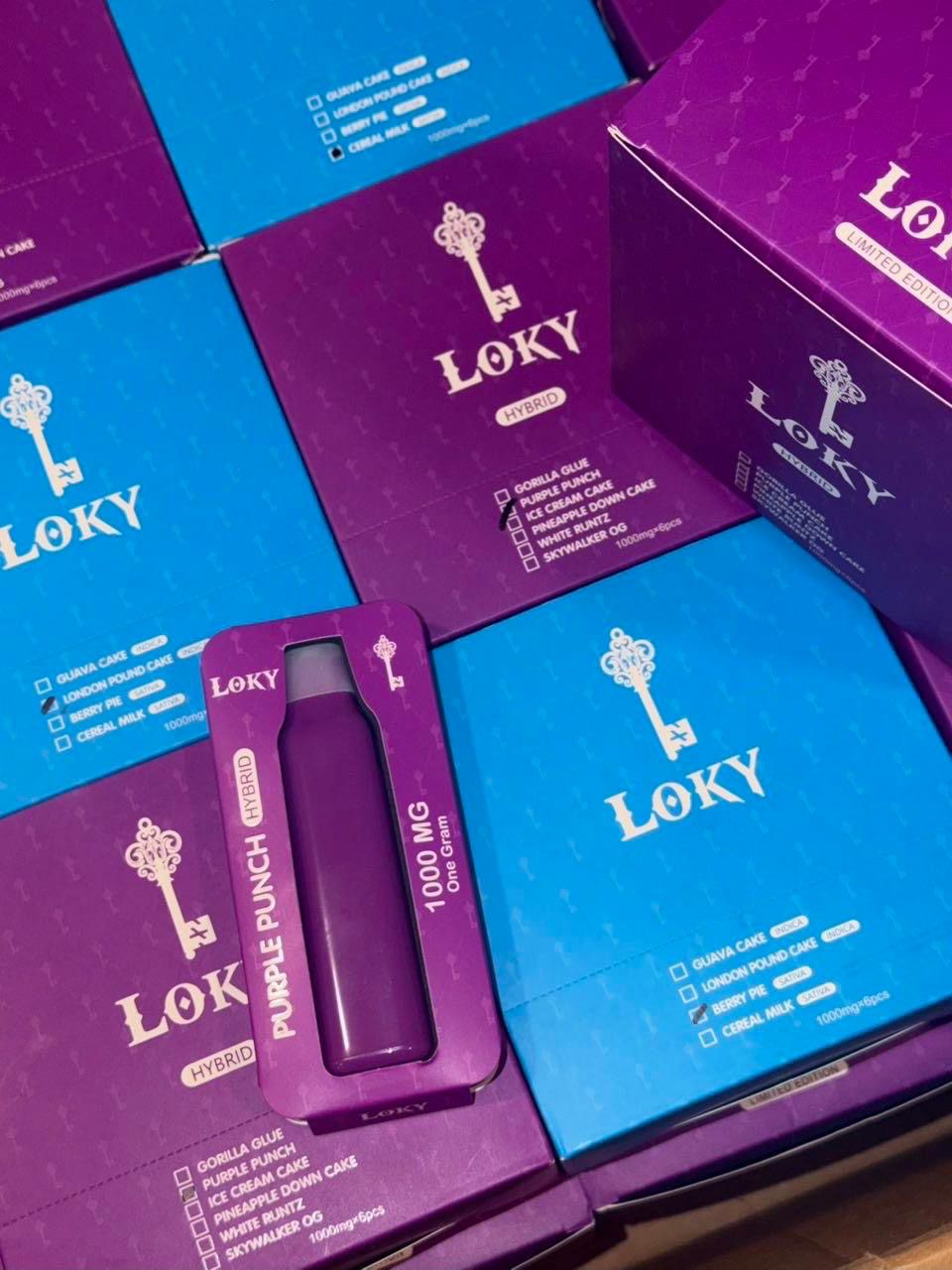
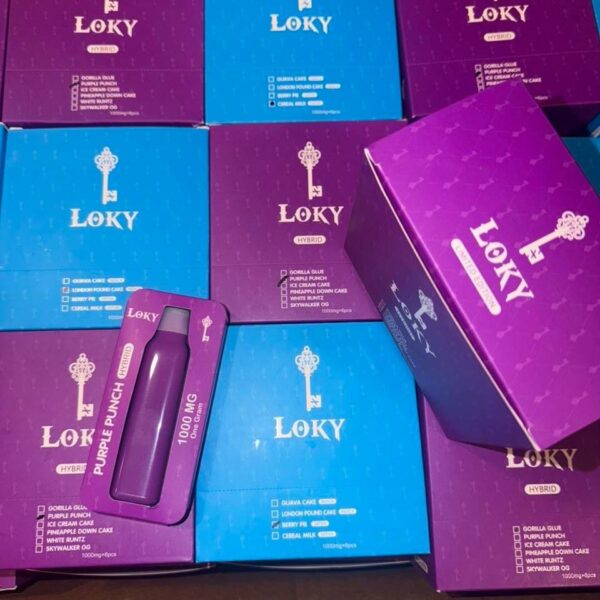
Loky Disposable Vape
A Loky disposable vape is a single-use electronic vaping device designed to deliver an aerosol from a liquid that typically contains flavorings and may contain nicotine, depending on the specific product and local regulations. Disposable vapes are manufactured for convenience because they arrive prefilled with e-liquid and usually require little or no setup before use.
Most disposable devices combine several components into a compact unit. These commonly include a rechargeable or non-rechargeable battery, an e-liquid reservoir, a heating element (coil), and a mouthpiece. When the user inhales through the mouthpiece, the device activates automatically on many models, heating the liquid to produce an inhalable aerosol.
Different Loky models may vary in battery capacity, e-liquid volume, puff count, nicotine strength, charging capability, and flavor availability. Because product specifications can differ by region and manufacturer, users should consult the packaging or the manufacturer’s documentation for accurate technical details.
Disposable vapes are intended for limited use. Once the e-liquid is depleted or the battery can no longer power the device, the product reaches the end of its usable life. Some newer models include a rechargeable battery that allows the remaining e-liquid to be used more completely before disposal.
Proper storage helps preserve product quality. Disposable vaping devices are generally kept in a cool, dry place away from direct sunlight, excessive heat, moisture, and the reach of children and pets. Extreme temperatures may affect battery performance and e-liquid quality.
Used disposable vapes should not be discarded with ordinary household waste when local recycling programs for electronic devices or batteries are available. Many disposable vaping devices contain lithium-ion batteries, which require appropriate recycling or disposal according to local regulations.
Understanding Disposable Vape Components
A disposable vape device contains several integrated parts that work together to create an aerosol. The battery provides electrical energy to the heating system. The coil, sometimes called an atomizer, converts that energy into heat. This heat interacts with the e-liquid, creating an aerosol that is inhaled through the mouthpiece.
The e-liquid used in disposable vapes generally contains a combination of ingredients such as vegetable glycerin, propylene glycol, flavoring compounds, and, in some products, nicotine. The exact formulation depends on the manufacturer, product regulations, and intended market. Product labels provide the most reliable information about ingredients and nicotine content.
The outer casing of a disposable vape is typically made from materials designed to protect the internal components. However, the compact design also means that many parts are difficult to separate for recycling. This has contributed to discussions about electronic waste management and the environmental impact of disposable vaping devices.
Battery and Power Considerations
Battery performance influences how long a disposable vape can function. The available power depends on factors such as battery size, device design, usage patterns, and the efficiency of the heating system. Some disposable models include rechargeable features, while others are designed for disposal after the built-in battery is depleted.
Lithium-ion batteries, which are commonly used in many electronic devices, require careful handling. Damage, exposure to extreme temperatures, or improper disposal may create safety concerns. For this reason, used devices should be managed according to local waste and recycling guidelines.
Flavor and Product Variation
Disposable vape products are often available in a variety of flavor categories. These may include fruit-inspired, mint, beverage-inspired, or traditional tobacco-related profiles. Flavor availability can vary depending on regional regulations and manufacturer decisions.
Flavor perception may differ between individuals because taste depends on personal preferences, inhalation habits, and sensory sensitivity. A flavor description on packaging provides a general indication rather than a guarantee of a specific experience.
Regulatory and Safety Information
Vaping regulations differ around the world. Some regions regulate nicotine concentration, packaging requirements, advertising, age restrictions, and product approval processes. Users should check the laws that apply in their location.
Nicotine is an addictive substance. Products containing nicotine may lead to dependence, and nicotine exposure can have health effects. People who are considering nicotine use or trying to reduce nicotine consumption may benefit from discussing options with a healthcare professional.
Disposable vapes should be kept away from children and individuals who should not use nicotine products. Accidental exposure to nicotine-containing liquid can be harmful, particularly for young children and pets.
Environmental Considerations
The disposable nature of these devices creates environmental challenges. A single device may contain plastic components, electronic parts, and a battery that require different disposal methods. As a result, responsible waste management has become an important topic in discussions about vaping products.
Some communities provide electronic waste collection services that accept small battery-powered devices. Availability varies by location, so local recycling organizations or waste management authorities can provide relevant guidance.
General Product Information Summary
Loky disposable vapes represent one category within the broader electronic vaping market. Their design focuses on combining an e-liquid container, heating system, and power source into a compact device. Specific characteristics depend on the individual model, manufacturing specifications, and regional requirements.
A complete understanding of any disposable vape involves reviewing its ingredients, technical specifications, usage limitations, safety information, and disposal requirements. Consumers and researchers can use manufacturer information and official regulatory resources to evaluate product details accurately.
How Disposable Vape Devices Are Used
Disposable vape devices are designed with a simplified structure compared with many reusable vaping systems. Their components are usually preassembled, which means users do not typically need to replace coils, refill e-liquid, or adjust settings. The device format varies between manufacturers, and the operating process depends on the specific model.
Many disposable devices activate through an inhalation sensor. When airflow is detected, the battery supplies energy to the heating element. The heating element then warms the e-liquid and produces an aerosol. Some models may include additional features such as indicators that display battery status or charging information.
Because disposable vapes are manufactured as integrated units, internal repairs or component replacement are generally not practical. Attempting to open or modify a device may damage internal parts and could create safety risks, particularly because batteries and electronic components are enclosed inside the casing.
Storage and Handling Information
Storage conditions can influence the condition of a disposable vape. Exposure to high temperatures may affect battery performance, while excessive cold may temporarily reduce battery efficiency. Keeping the device in a dry environment can help protect electronic components from moisture-related damage.
Physical damage to the device should be avoided. Cracks, leaks, unusual odors, or visible damage may indicate that a device should no longer be used. Battery-powered products should be handled carefully to reduce the possibility of damage caused by impact, pressure, or improper storage.
Devices containing nicotine liquid require additional care. Contact between e-liquid and skin should be avoided, and accidental spills should be cleaned appropriately. If exposure occurs, individuals should follow relevant safety guidance and seek professional advice when necessary.
Understanding Puff Estimates
Disposable vape packaging often includes an estimated puff count. This number represents an approximate usage measurement rather than a guaranteed amount. Actual usage may vary depending on individual inhalation patterns, puff duration, device design, battery performance, and environmental conditions.
A longer inhalation generally uses more e-liquid than a shorter inhalation. Battery efficiency and heating technology can also influence how consistently a device performs throughout its usable period.
Because puff estimates are based on controlled testing conditions, real-world experiences may differ. Reviewing official product specifications provides the most accurate information available for a particular model.
Differences Between Disposable and Reusable Vapes
Disposable and reusable vaping devices are designed differently. Disposable models generally combine all major components into one unit, while reusable devices often allow users to refill e-liquid, replace coils, and maintain individual parts.
Reusable devices may provide more customization options because users can select different liquids, settings, or replacement components. Disposable devices generally have fewer adjustable features because they are built around a fixed configuration.
The environmental impact of each type also differs. Disposable products create more frequent electronic waste because the entire device is discarded after use. Reusable systems may reduce waste when properly maintained, although they still require replacement parts and consumable materials.
Manufacturing and Quality Factors
The quality of a disposable vape can depend on manufacturing standards, component selection, testing procedures, and compliance with applicable regulations. Reliable product documentation typically includes information about ingredients, safety warnings, manufacturer details, and usage limitations.
Quality control processes may involve checking battery performance, leak resistance, heating consistency, and packaging accuracy. However, standards vary between manufacturers and markets, so consumers should rely on verified product information rather than assumptions based only on appearance.
Product Label Information
Labels on vaping products may provide important details about the device. Common information includes nicotine concentration, e-liquid volume, battery specifications, manufacturer information, warnings, and regulatory statements.
Understanding label information helps users identify the characteristics of a specific device. Since product names may be used across different markets, the packaging details are often the best source for confirming the exact version of a product.
Broader Context of Vaping Products
Electronic vaping products are part of a larger category of nicotine and non-nicotine delivery devices. Their development has changed over time as technology, consumer preferences, and regulations have evolved.
Research into vaping continues, with studies examining topics such as aerosol composition, patterns of use, nicotine dependence, and long-term health effects. Scientific findings may change as additional evidence becomes available.
A balanced understanding of vaping products involves considering their design, intended function, potential risks, regulatory environment, and environmental impact. Reviewing information from manufacturers, public health organizations, and regulatory agencies can provide a clearer picture of these devices.
How Disposable Vape Devices Are Used
Disposable vape devices are designed with a simplified structure compared with many reusable vaping systems. Their components are usually preassembled, which means users do not typically need to replace coils, refill e-liquid, or adjust settings. The device format varies between manufacturers, and the operating process depends on the specific model.
Many disposable devices activate through an inhalation sensor. When airflow is detected, the battery supplies energy to the heating element. The heating element then warms the e-liquid and produces an aerosol. Some models may include additional features such as indicators that display battery status or charging information.
Because disposable vapes are manufactured as integrated units, internal repairs or component replacement are generally not practical. Attempting to open or modify a device may damage internal parts and could create safety risks, particularly because batteries and electronic components are enclosed inside the casing.
Storage and Handling Information
Storage conditions can influence the condition of a disposable vape. Exposure to high temperatures may affect battery performance, while excessive cold may temporarily reduce battery efficiency. Keeping the device in a dry environment can help protect electronic components from moisture-related damage.
Physical damage to the device should be avoided. Cracks, leaks, unusual odors, or visible damage may indicate that a device should no longer be used. Battery-powered products should be handled carefully to reduce the possibility of damage caused by impact, pressure, or improper storage.
Devices containing nicotine liquid require additional care. Contact between e-liquid and skin should be avoided, and accidental spills should be cleaned appropriately. If exposure occurs, individuals should follow relevant safety guidance and seek professional advice when necessary.
Understanding Puff Estimates
Disposable vape packaging often includes an estimated puff count. This number represents an approximate usage measurement rather than a guaranteed amount. Actual usage may vary depending on individual inhalation patterns, puff duration, device design, battery performance, and environmental conditions.
A longer inhalation generally uses more e-liquid than a shorter inhalation. Battery efficiency and heating technology can also influence how consistently a device performs throughout its usable period.
Because puff estimates are based on controlled testing conditions, real-world experiences may differ. Reviewing official product specifications provides the most accurate information available for a particular model.
Differences Between Disposable and Reusable Vapes
Disposable and reusable vaping devices are designed differently. Disposable models generally combine all major components into one unit, while reusable devices often allow users to refill e-liquid, replace coils, and maintain individual parts.
Reusable devices may provide more customization options because users can select different liquids, settings, or replacement components. Disposable devices generally have fewer adjustable features because they are built around a fixed configuration.
The environmental impact of each type also differs. Disposable products create more frequent electronic waste because the entire device is discarded after use. Reusable systems may reduce waste when properly maintained, although they still require replacement parts and consumable materials.
Manufacturing and Quality Factors
The quality of a disposable vape can depend on manufacturing standards, component selection, testing procedures, and compliance with applicable regulations. Reliable product documentation typically includes information about ingredients, safety warnings, manufacturer details, and usage limitations.
Quality control processes may involve checking battery performance, leak resistance, heating consistency, and packaging accuracy. However, standards vary between manufacturers and markets, so consumers should rely on verified product information rather than assumptions based only on appearance.
Product Label Information
Labels on vaping products may provide important details about the device. Common information includes nicotine concentration, e-liquid volume, battery specifications, manufacturer information, warnings, and regulatory statements.
Understanding label information helps users identify the characteristics of a specific device. Since product names may be used across different markets, the packaging details are often the best source for confirming the exact version of a product.
Broader Context of Vaping Products
Electronic vaping products are part of a larger category of nicotine and non-nicotine delivery devices. Their development has changed over time as technology, consumer preferences, and regulations have evolved.
Research into vaping continues, with studies examining topics such as aerosol composition, patterns of use, nicotine dependence, and long-term health effects. Scientific findings may change as additional evidence becomes available.
A balanced understanding of vaping products involves considering their design, intended function, potential risks, regulatory environment, and environmental impact. Reviewing information from manufacturers, public health organizations, and regulatory agencies can provide a clearer picture of these devices.
How Disposable Vape Devices Are Used
Disposable vape devices are designed with a simplified structure compared with many reusable vaping systems. Their components are usually preassembled, which means users do not typically need to replace coils, refill e-liquid, or adjust settings. The device format varies between manufacturers, and the operating process depends on the specific model.
Many disposable devices activate through an inhalation sensor. When airflow is detected, the battery supplies energy to the heating element. The heating element then warms the e-liquid and produces an aerosol. Some models may include additional features such as indicators that display battery status or charging information.
Because disposable vapes are manufactured as integrated units, internal repairs or component replacement are generally not practical. Attempting to open or modify a device may damage internal parts and could create safety risks, particularly because batteries and electronic components are enclosed inside the casing.
Storage and Handling Information
Storage conditions can influence the condition of a disposable vape. Exposure to high temperatures may affect battery performance, while excessive cold may temporarily reduce battery efficiency. Keeping the device in a dry environment can help protect electronic components from moisture-related damage.
Physical damage to the device should be avoided. Cracks, leaks, unusual odors, or visible damage may indicate that a device should no longer be used. Battery-powered products should be handled carefully to reduce the possibility of damage caused by impact, pressure, or improper storage.
Devices containing nicotine liquid require additional care. Contact between e-liquid and skin should be avoided, and accidental spills should be cleaned appropriately. If exposure occurs, individuals should follow relevant safety guidance and seek professional advice when necessary.
Understanding Puff Estimates
Disposable vape packaging often includes an estimated puff count. This number represents an approximate usage measurement rather than a guaranteed amount. Actual usage may vary depending on individual inhalation patterns, puff duration, device design, battery performance, and environmental conditions.
A longer inhalation generally uses more e-liquid than a shorter inhalation. Battery efficiency and heating technology can also influence how consistently a device performs throughout its usable period.
Because puff estimates are based on controlled testing conditions, real-world experiences may differ. Reviewing official product specifications provides the most accurate information available for a particular model.
Differences Between Disposable and Reusable Vapes
Disposable and reusable vaping devices are designed differently. Disposable models generally combine all major components into one unit, while reusable devices often allow users to refill e-liquid, replace coils, and maintain individual parts.
Reusable devices may provide more customization options because users can select different liquids, settings, or replacement components. Disposable devices generally have fewer adjustable features because they are built around a fixed configuration.
The environmental impact of each type also differs. Disposable products create more frequent electronic waste because the entire device is discarded after use. Reusable systems may reduce waste when properly maintained, although they still require replacement parts and consumable materials.
Manufacturing and Quality Factors
The quality of a disposable vape can depend on manufacturing standards, component selection, testing procedures, and compliance with applicable regulations. Reliable product documentation typically includes information about ingredients, safety warnings, manufacturer details, and usage limitations.
Quality control processes may involve checking battery performance, leak resistance, heating consistency, and packaging accuracy. However, standards vary between manufacturers and markets, so consumers should rely on verified product information rather than assumptions based only on appearance.
Product Label Information
Labels on vaping products may provide important details about the device. Common information includes nicotine concentration, e-liquid volume, battery specifications, manufacturer information, warnings, and regulatory statements.
Understanding label information helps users identify the characteristics of a specific device. Since product names may be used across different markets, the packaging details are often the best source for confirming the exact version of a product.
Broader Context of Vaping Products
Electronic vaping products are part of a larger category of nicotine and non-nicotine delivery devices. Their development has changed over time as technology, consumer preferences, and regulations have evolved.
Research into vaping continues, with studies examining topics such as aerosol composition, patterns of use, nicotine dependence, and long-term health effects. Scientific findings may change as additional evidence becomes available.





Reviews
There are no reviews yet.