


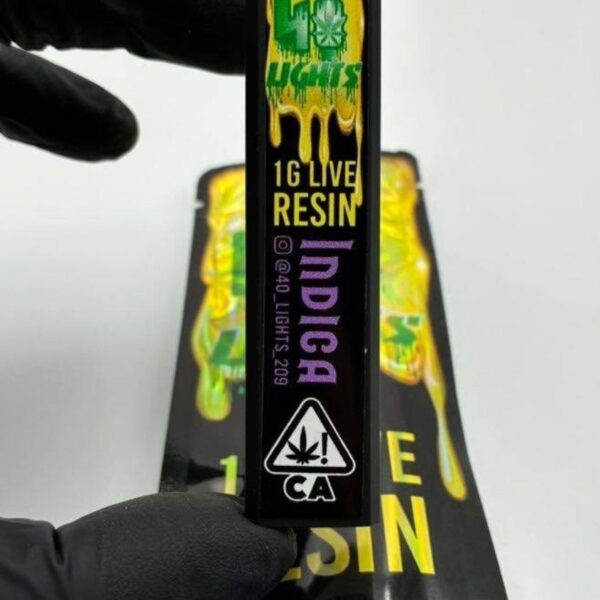
MICRO BAR Dual Disposable Vape – Advanced Dual-System Engineering, Precision Performance, and Ultra-Portable Design
Introduction to the MICRO BAR
Micro Bar Dual Disposable Vape modern users increasingly expect compact devices that deliver consistent performance, efficient engineering, and simplified usability. In response, the MICRO BAR Dual Chamber Compact Device has been designed as a next-generation hardware solution focused on stability, portability, and controlled output systems.
Furthermore, this device introduces a dual-chamber architecture that enhances internal separation and improves performance balance. As a result, operational consistency is significantly improved compared to traditional single-system compact devices. In addition, the streamlined structure ensures portability without sacrificing internal efficiency.
Transitioning from earlier compact designs, this model emphasizes precision engineering and internal optimization. Therefore, each component has been structured to support smooth operation, balanced distribution, and long-term stability.

Design Philosophy and Structural Engineering
The MICRO BAR Dual Chamber Compact Device has been developed with a strong focus on symmetry, simplicity, and ergonomic usability. Every exterior curve has been designed to improve grip comfort while maintaining a clean and modern aesthetic.
Moreover, the outer shell is constructed using lightweight yet durable materials. As a result, the device remains highly portable while resisting everyday wear and minor impact exposure. In addition, the matte finish enhances tactile control and visual refinement.
Meanwhile, internal architecture has been carefully divided into two independent chambers. Consequently, internal interference is reduced, and performance balance is improved across usage cycles.
Transitioning from exterior design to internal structure, the device prioritizes engineering efficiency over unnecessary complexity.
Dual Chamber System and Internal Efficiency
The MICRO BAR system incorporates a dual-chamber 2G-style capacity structure designed to improve internal balance and operational stability. This configuration allows separation of internal systems into two controlled compartments.
Furthermore, each chamber operates independently while maintaining synchronized output behavior. As a result, depletion is distributed more evenly throughout the lifecycle. In addition, reinforced internal sealing improves structural integrity and reduces cross-chamber disruption.
Transitioning to performance behavior, this dual structure ensures smoother output consistency over time. Therefore, users experience balanced performance across all usage stages.
Battery Performance and Energy Regulation
The MICRO BAR Dual Chamber Compact Device integrates a regulated internal battery system designed for stable energy delivery. Power output has been carefully calibrated to ensure consistent performance across all usage cycles.
Moreover, energy management systems help reduce fluctuations during operation. As a result, output remains steady and predictable. In addition, standby optimization reduces unnecessary energy loss when the device is inactive.
Transitioning further, this regulated energy system contributes directly to long-term stability and efficient performance delivery.
Airflow Engineering and Dual Channel Balance
Airflow engineering plays a central role in the MICRO BAR device architecture. Internal channels have been structured to distribute airflow evenly between both chambers.
Furthermore, this design reduces resistance and supports smooth activation behavior. As a result, users experience consistent and controlled performance during operation. In addition, anti-clogging pathways help maintain long-term airflow stability.
Transitioning from structure to experience, airflow synchronization between chambers ensures balanced output delivery.
Output Stability and Performance Consistency
The MICRO BAR Dual Chamber Compact Device has been engineered to maintain stable performance throughout its lifecycle. Internal heating regulation ensures even energy distribution across both chambers.
Moreover, coil calibration has been optimized to maintain uniform heat application. As a result, performance degradation is reduced over time. In addition, internal balancing mechanisms help ensure consistent operational behavior.
Transitioning further, this stability ensures predictable performance from initial activation to final cycle completion.
Ease of Use and Functional Simplicity
The MICRO BAR device has been designed for immediate usability without setup or configuration requirements. No technical knowledge is required for operation.
Furthermore, activation is intuitive and responsive. As a result, users can begin using the device immediately after unboxing. In addition, the simplified structure removes unnecessary complexity from the experience.
Transitioning from usability to convenience, this design ensures accessibility for both new and experienced users.
Portability and Everyday Convenience
The compact structure of the MICRO BAR Dual Chamber Device enhances portability significantly. Its lightweight build allows it to be carried easily in pockets, bags, or travel cases.
Moreover, the streamlined form factor ensures discreet handling in various environments. As a result, the device integrates seamlessly into daily routines. In addition, durable construction protects internal components from minor external stress.
Transitioning further, portability is strengthened by its maintenance-free and compact dual-system architecture.
Structural Safety and Reliability Systems
Safety has been integrated throughout the MICRO BAR device design. Internal chambers have been isolated to reduce operational risk and maintain thermal stability.
Moreover, temperature regulation systems help ensure controlled operating conditions. As a result, overheating risks are minimized during extended use. In addition, quality control processes ensure consistent reliability across production units.
Transitioning from safety to durability, reinforced housing provides additional protection against everyday wear and handling stress.
Performance Stability Over Time
The MICRO BAR device has been engineered to maintain consistent performance throughout its lifecycle. Unlike lower-tier compact systems, output degradation has been minimized through optimized dual-chamber engineering.
Furthermore, airflow balance and energy regulation work together to maintain stability. As a result, performance remains predictable across all usage phases.
In addition, internal sealing systems help preserve structural integrity. Therefore, reliability is maintained from start to finish.
Transitioning forward, this consistency improves overall user experience by reducing variability.
Environmental Efficiency and Material Optimization
Although compact disposable-style devices contribute to environmental impact, the MICRO BAR system has been designed with efficiency in mind. Lightweight construction reduces unnecessary material usage.
Moreover, optimized lifecycle design reduces replacement frequency. As a result, overall resource consumption may be reduced compared to shorter-use systems.
In addition, compact packaging minimizes waste output. Therefore, environmental impact is partially reduced through structural efficiency.
Transitioning forward, responsible disposal practices remain essential for sustainability awareness.
Ideal User Profile and Application Context
The MICRO BAR Dual Chamber Compact Device is designed for users who prioritize portability, simplicity, and consistent performance. Furthermore, it suits individuals who prefer low-maintenance hardware solutions.
In addition, the device supports both casual and frequent usage patterns. Therefore, it adapts easily to different lifestyle requirements.
Transitioning from profile to application, it is particularly suited for users seeking reliable compact performance with minimal complexity.
MICRO BAR DUAL DISPOSABLE DEVICE
Compact dual-function disposable devices have become a widely recognized category in modern convenience-focused markets. These systems are designed to simplify user interaction while reducing setup complexity. As a result, they are commonly adopted in product segments where portability and ease of use are essential.
Moreover, demand for compact and ready-to-use devices continues to grow across global consumer markets. Therefore, manufacturers focus heavily on usability, efficiency, and consistent performance across product lines.
In many cases, dual-system designs are preferred because they enhance versatility within a single compact unit. Consequently, users benefit from improved flexibility and streamlined operation.
Additionally, design trends continue to emphasize portability and discreet form factors. However, internal engineering remains essential for maintaining stability and reliability.

Understanding Dual-System Disposable Architecture
Dual-system disposable devices generally refer to compact units that integrate two internal operational channels within a single structure. This design allows for varied output experiences while maintaining a unified device format.
Furthermore, dual architecture typically supports extended usability compared to single-channel designs. Therefore, users often experience greater flexibility in usage behavior.
However, actual performance depends on internal efficiency, environmental conditions, and usage patterns. Still, manufacturers aim to balance versatility with stable output consistency.
In addition, modern dual systems are engineered to maintain balanced operation across both channels. Consequently, performance stability is prioritized through optimized internal design.
Product Design and Structural Engineering
Dual disposable devices are typically designed with compact, ergonomic, and lightweight structures. The focus remains on portability, usability, and discreet handling.
Moreover, durable materials are selected to ensure structural integrity while minimizing weight. As a result, the device can be carried easily in pockets or small storage spaces.
In addition, internal airflow systems and channel pathways are pre-calibrated during production. Therefore, manual adjustment is not required during operation.
Internal System Architecture
Inside a typical dual-channel compact device, several integrated components function together:
- Dual internal chambers
- Compact energy delivery system
- Regulated activation mechanism
- Balanced airflow distribution system
Because these components are assembled during manufacturing, the system is generally ready for immediate operation.
Functional Operation and Activation Mechanism
Dual disposable systems operate through automated activation technology. When engagement occurs, internal sensors detect airflow and trigger the operational cycle.
As a result, output is generated quickly without manual configuration. This ensures a smooth and intuitive user experience.
Moreover, no external buttons or setup steps are required in most designs. Therefore, accessibility remains one of the strongest advantages of compact disposable systems.
Additionally, sensor calibration helps maintain stable activation performance. Consequently, consistent operation is preserved under standard conditions.
Performance Stability and Output Balance
Performance stability is a key evaluation factor in dual-system devices. Users generally prioritize smooth operation and consistent output behavior.
Furthermore, internal engineering improvements enhance regulation systems. As a result, output remains balanced across both channels throughout most of the lifecycle.
However, gradual variation may occur as internal capacity decreases. Still, improved design helps reduce noticeable performance fluctuations.
In addition, airflow balancing plays a major role in maintaining consistency. Therefore, optimized internal structure supports stable output delivery across usage stages.
Energy Efficiency and System Regulation
Energy efficiency is closely aligned with capacity in compact dual devices. Therefore, internal power systems are engineered to support extended operational cycles.
Moreover, energy output is regulated internally to maintain stability. As a result, performance fluctuations are minimized.
However, external conditions such as temperature and storage environment may influence efficiency. Thus, proper handling is recommended to preserve system stability.
In many cases, internal circuitry is implemented to stabilize operational output. Consequently, performance remains more consistent over time.
Ease of Use and User Accessibility
Disposable systems are widely recognized for simplicity and user-friendly operation. No setup procedures, maintenance, or additional components are required.
Additionally, the absence of complex controls makes operation straightforward. Therefore, users can begin using the device immediately after unboxing.
Moreover, this simplicity increases accessibility for a broad range of users. As a result, the category is often chosen for its minimal learning requirements.
In many cases, usability remains consistent even for first-time users.
Portability and Lifestyle Integration
Portability remains one of the strongest advantages of compact dual systems. Lightweight construction allows easy transport across multiple environments.
Furthermore, compact design enhances convenience during travel and daily routines. Therefore, users can integrate the device into various scenarios.
In addition, discreet form factors improve usability in different contexts. Consequently, the product supports modern mobile lifestyles effectively.
Manufacturing Standards and Quality Assurance
Disposable systems are typically manufactured using automated production processes. This ensures consistency across large-scale batches.
Moreover, quality control procedures are applied at multiple stages. As a result, defect rates are reduced and reliability is improved.
However, minor variations may still occur depending on material sourcing and production conditions. Still, standardized manufacturing helps maintain overall stability.
In addition, final inspection procedures ensure baseline quality before distribution.
Safety Features and Operational Protection
Modern disposable systems often include built-in safety mechanisms. These may include overheating protection, short-circuit prevention, and output stabilization systems.
Furthermore, these features improve operational stability under normal conditions. As a result, system reliability is enhanced.
However, improper handling or physical damage may still affect performance. Therefore, careful use is recommended.
In many cases, internal regulation systems are implemented to maintain balanced operation.
Storage Conditions and Longevity Preservation
Proper storage is essential for maintaining device performance. Ideally, products should be stored in cool, dry environments.
Additionally, exposure to heat or direct sunlight may reduce efficiency. Therefore, controlled storage conditions are recommended.
Moreover, upright positioning can help preserve internal structure integrity. As a result, consistency is more likely to be maintained over time.
Environmental Responsibility and Disposal
Disposable systems contribute to electronic waste due to single-use design. Therefore, responsible disposal practices are important.
In some regions, recycling programs are being developed to reduce environmental impact. However, availability varies widely.
As a result, users are encouraged to follow local environmental guidelines. Additionally, awareness of sustainability continues to grow across industries.
Market Trends and Industry Development
The compact disposable device market continues to expand due to rising demand for convenience-based solutions. Moreover, technological improvements enhance efficiency and durability.
In addition, dual-system formats have become more common across product categories. Therefore, users now have access to more versatile compact devices.
Consequently, competition among manufacturers drives ongoing innovation across the industry.
User Experience and Satisfaction Factors
Several factors influence overall user satisfaction:
- Ease of use and accessibility
- Output consistency over time
- Device lifespan relative to capacity
- Portability and design comfort
- Stability of operation during use
Because preferences vary, users evaluate systems based on individual priorities.
Comparative Positioning in Product Category
Dual disposable devices are generally positioned as enhanced-utility compact systems. Therefore, they are often compared with single-channel alternatives based on flexibility and consistency.
Moreover, design quality and internal efficiency strongly influence perception. As a result, differentiation is driven by engineering and usability.
Usage Duration and Performance Expectations
Device lifespan depends on multiple factors including usage frequency and environmental conditions. Therefore, heavy usage may shorten overall duration.
However, moderate usage can extend operational cycles. Additionally, system design aims to align efficiency with capacity.
Consequently, performance is intended to remain stable throughout the lifecycle.
Dual Chamber Disposable Vape Technology – Advanced Flavor Switching, High-Capacity Performance, and Modern Vapor Innovation
Dual chamber disposable vape technology represents a significant evolution in portable vapor devices. Moreover, it introduces a system that allows two separate flavor or formulation compartments within a single compact unit. In addition, this design improves versatility while maintaining convenience and portability.
Furthermore, the system is engineered for users who prefer variety without carrying multiple devices. As a result, switching between flavor profiles becomes simple and efficient. Meanwhile, the disposable structure eliminates the need for maintenance, charging, or refilling.
Consequently, dual chamber technology has become a notable innovation in the modern disposable vape category, where flexibility and performance are highly valued.
Core Concept of Dual Chamber Design
The dual chamber system is built around two isolated internal tanks. Moreover, each chamber stores a separate formulation or flavor profile. In addition, this separation ensures that each profile remains distinct and uncontaminated.
Furthermore, a switching mechanism allows controlled access to each chamber. As a result, users can alternate between two experiences within a single device. Meanwhile, internal airflow routing ensures smooth delivery from either chamber.
In addition, the design preserves consistency by preventing mixing during operation. Therefore, each chamber maintains its intended profile. Consequently, dual chamber systems offer greater functional flexibility compared to traditional single-tank devices.
Design Structure and Build Quality
Dual chamber disposable vape devices are designed with compactness and structural efficiency in mind. Moreover, manufacturers focus on balancing portability with internal complexity. In addition, the outer shell is engineered to protect dual internal reservoirs.
Furthermore, lightweight materials are commonly used to maintain comfort during use. As a result, the device remains easy to carry despite its advanced internal structure. Meanwhile, ergonomic shaping improves handling and usability.
In addition, durable construction helps protect internal systems from minor impacts. Therefore, device integrity is maintained during regular use. Consequently, design plays a key role in performance reliability.
Flavor Switching Mechanism and User Control
One of the defining features of dual chamber systems is the flavor switching mechanism. Moreover, this system allows users to alternate between two chambers with minimal effort. In addition, switching is designed to feel smooth and intuitive.
Furthermore, airflow routing adjusts internally to direct vapor from the selected chamber. As a result, transitions feel seamless. Meanwhile, isolation between chambers prevents flavor blending.
In addition, the switching system enhances user customization. Therefore, users can match different flavors or profiles to different moments. Consequently, flexibility becomes a central advantage of dual chamber design.

Heating System and Vapor Production
Heating technology in dual chamber disposable devices is designed for balanced and efficient performance. Moreover, coil systems are often calibrated to handle multiple chambers without inconsistency. In addition, this ensures smooth vapor production across both compartments.
Furthermore, temperature control helps maintain flavor integrity. As a result, each chamber produces consistent vapor quality. Meanwhile, energy distribution remains stable during operation.
In addition, rapid heating activation improves responsiveness. Therefore, vapor is delivered quickly and smoothly. Consequently, heating performance supports both convenience and satisfaction.
Airflow System and Inhalation Experience
Airflow engineering plays an essential role in dual chamber vape devices. Moreover, internal channels are designed to guide vapor efficiently from each chamber. In addition, airflow resistance is balanced for smooth inhalation.
Furthermore, switching systems integrate with airflow routing to maintain consistency. As a result, draw quality remains stable regardless of chamber selection. Meanwhile, clog-resistant pathways improve reliability.
In addition, airflow calibration enhances vapor density and flavor clarity. Therefore, inhalation feels smooth and controlled. Consequently, airflow design directly improves user experience.
Battery Performance and Energy Efficiency
Dual chamber disposable vape devices rely on compact internal batteries designed for full-cycle performance. Moreover, regulated output ensures stable vapor production. In addition, energy distribution supports both chambers efficiently.
Furthermore, power management systems reduce fluctuations in heating performance. As a result, vapor output remains consistent. Meanwhile, lightweight battery integration supports portability.
In addition, optimized voltage control helps extend device reliability. Therefore, performance remains stable throughout usage. Consequently, battery efficiency is critical to device functionality.
Flavor Experience and Dual Profile Benefits
Dual chamber systems provide a unique advantage in flavor variety. Moreover, users can experience two distinct profiles within a single device. In addition, this enhances personalization and flexibility.
Furthermore, flavor separation ensures purity between chambers. As a result, each profile remains distinct and unblended. Meanwhile, controlled heating preserves aroma integrity.
In addition, switching between profiles allows dynamic usage patterns. Therefore, the experience feels more versatile and engaging. Consequently, dual flavor systems enhance overall satisfaction.
Portability and Everyday Convenience
Portability is a major advantage of dual chamber disposable devices. Moreover, compact design ensures easy carrying in daily environments. In addition, the lightweight structure supports comfort during travel.
Furthermore, disposable functionality removes the need for maintenance or charging. As a result, users gain convenience and simplicity. Meanwhile, readiness for immediate use improves practicality.
In addition, discreet design supports flexible usage. Therefore, the device fits easily into modern lifestyles. Consequently, portability remains a core design principle.
Ease of Use and Accessibility
Dual chamber disposable vape devices are designed for simplicity. Moreover, most systems use draw-activated mechanisms that require no buttons. In addition, chamber switching is designed to be intuitive.
Furthermore, minimal setup ensures accessibility for all users. As a result, operation feels straightforward. Meanwhile, consistent performance reduces confusion during use.
In addition, lack of maintenance improves convenience. Therefore, users can focus on experience rather than technical operation. Consequently, ease of use enhances product appeal.
Durability and Structural Integrity
Durability is essential in disposable vape design. Moreover, dual chamber systems require reinforced construction to support internal complexity. In addition, outer casing protects internal chambers from damage.
Furthermore, internal components are secured to prevent shifting or leakage. As a result, structural reliability is maintained. Meanwhile, sealing technology enhances containment.
In addition, durable materials extend functional stability throughout usage. Therefore, device integrity remains consistent. Consequently, durability supports long-term performance within disposable limits.
Performance Consistency Over Time
Consistency is a key expectation in dual chamber vape devices. Moreover, vapor output must remain stable across both chambers. In addition, heating systems are designed to maintain balance.
Furthermore, coil efficiency ensures even vaporization from each chamber. As a result, performance remains predictable. Meanwhile, battery regulation supports stable output.
In addition, internal optimization reduces degradation during use. Therefore, users experience steady performance. Consequently, consistency strengthens overall reliability.
Quality Control and Manufacturing Standards
Manufacturing processes for dual chamber disposable devices involve strict quality control measures. Moreover, each unit is tested for airflow, heating, and battery stability. In addition, chamber isolation is verified to prevent leakage or mixing.
Furthermore, standardized production reduces variation between units. As a result, reliability remains consistent across batches. Meanwhile, inspection processes ensure functional safety.
In addition, precision assembly improves structural accuracy. Therefore, product quality remains high. Consequently, manufacturing standards support user confidence.
Environmental Considerations
Dual chamber disposable vape devices, like other disposables, are intended for single-use lifecycles. Moreover, responsible disposal is encouraged after use. In addition, compact design helps reduce excess material usage.
Furthermore, industry development continues toward more sustainable solutions. As a result, future designs may improve recyclability. Meanwhile, user awareness remains important.
In addition, proper disposal practices reduce environmental impact. Therefore, responsibility plays a key role. Consequently, sustainability remains a growing focus in product development.
Final Overview of Dual Chamber Disposable Vape Technology
Dual chamber disposable vape technology represents a major step forward in portable vapor innovation. Moreover, it combines convenience, flexibility, and performance within a compact device. In addition, the ability to switch between two chambers enhances user customization.
Furthermore, stable heating, airflow control, and battery efficiency work together to deliver consistent performance. As a result, the experience remains smooth and reliable. Meanwhile, portability and ease of use make it suitable for modern lifestyles.
In addition, durability and quality control ensure structural reliability. Therefore, the system maintains performance stability throughout use. Consequently, dual chamber disposable technology stands as a versatile and advanced solution in the evolving vape device landscape.













Reviews
There are no reviews yet.