

Nothin Wetter 1G Disposable
Introduction
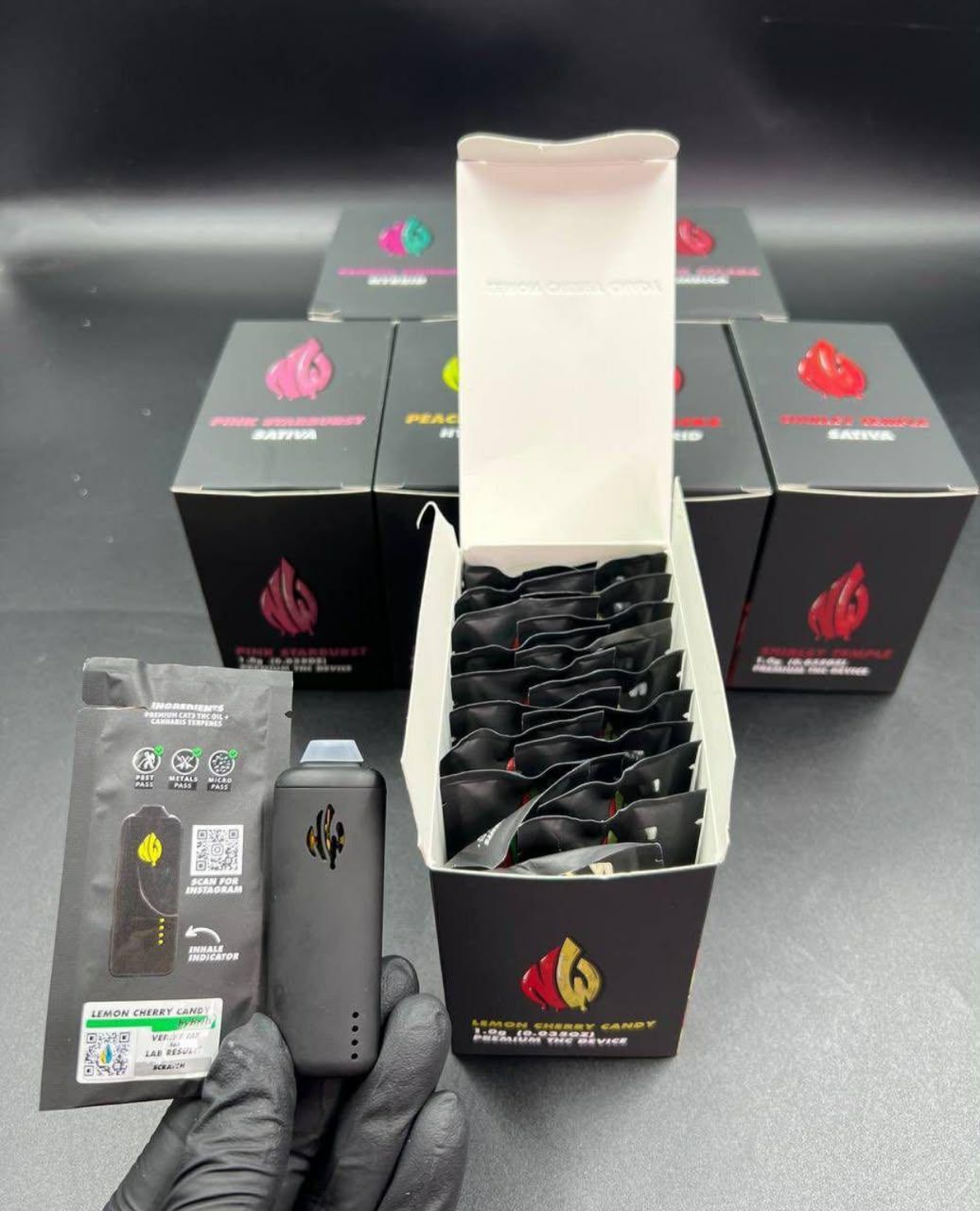
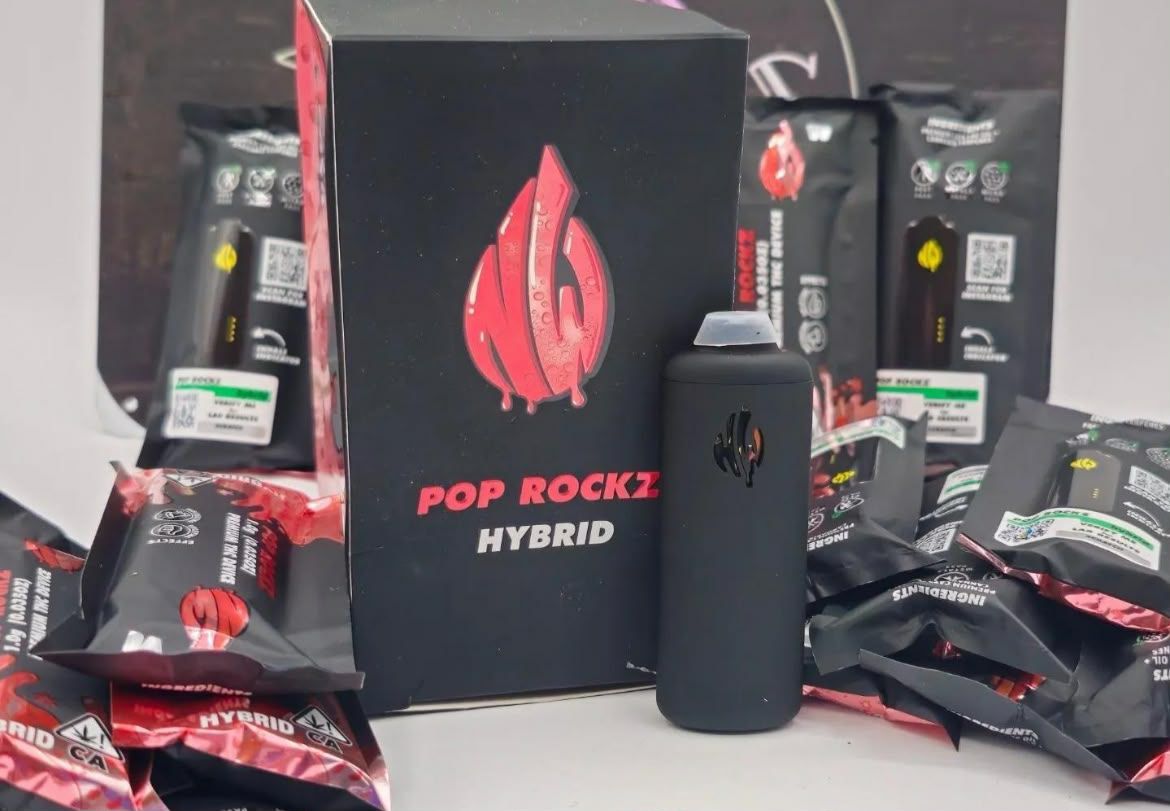
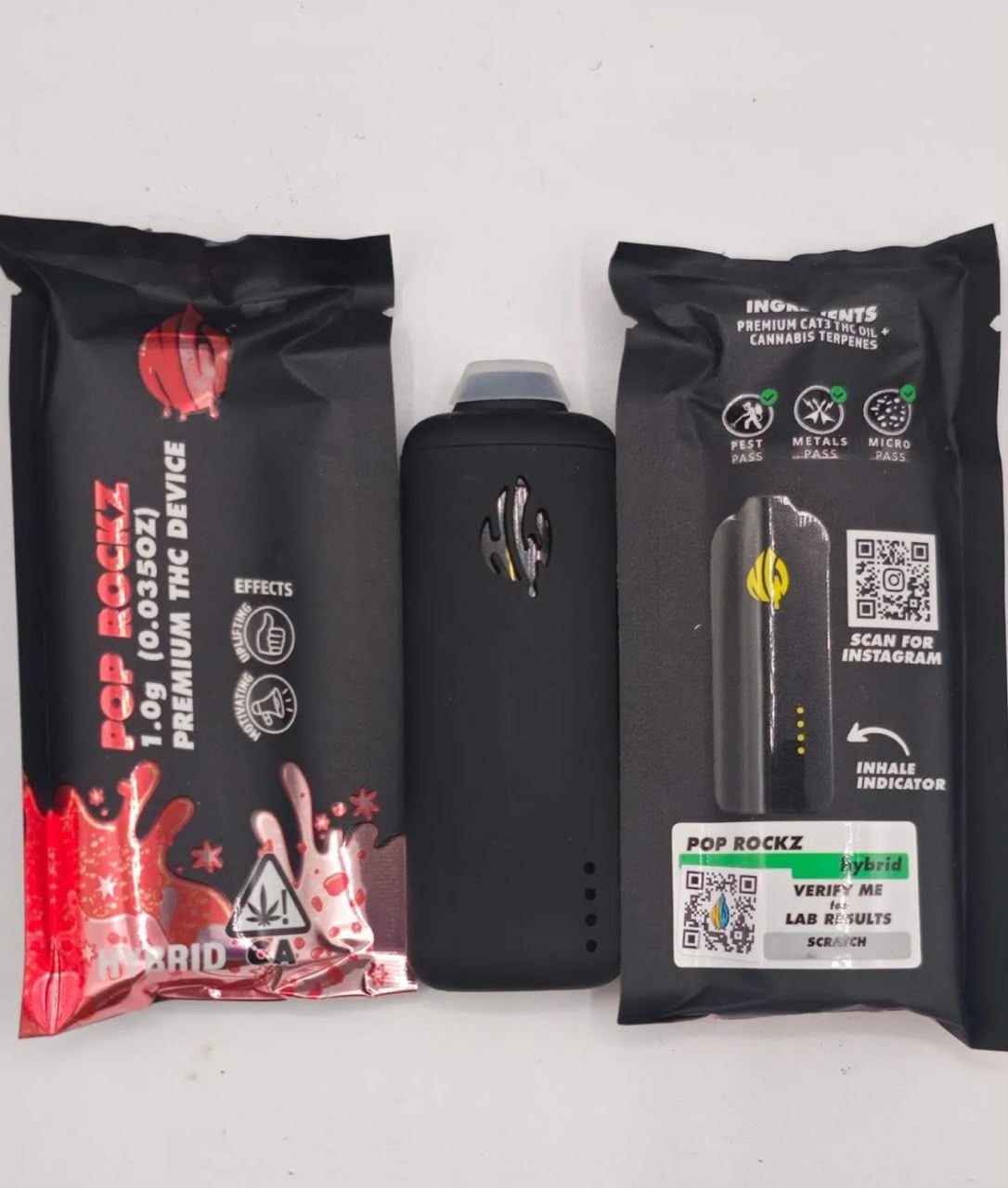
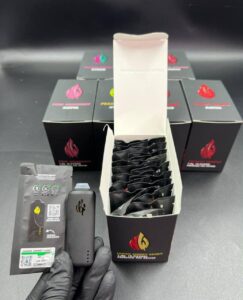
The Nothin Wetter 1G Disposable is an example of a compact electronic vaporization device that integrates several essential components into a single enclosure. Products in this category generally combine a sealed reservoir, battery, heating element, airflow pathway, and mouthpiece into a portable unit intended to operate without routine assembly or replacement of internal parts.
This document provides neutral, factual information about the general design, construction, operating principles, storage recommendations, maintenance considerations, battery safety, and environmental responsibilities commonly associated with 1G disposable vaporization devices. Features and specifications may vary by manufacturer, production batch, and applicable regulations. Readers should consult the product packaging and official documentation for the most accurate device-specific information.
Product Overview
A disposable vaporizer is designed as a self-contained electronic device. Unlike refillable systems, it is assembled at the factory with all primary components already installed. The integrated design minimizes the need for maintenance and reduces the number of separate accessories required for normal operation.
The “1G” designation generally refers to the nominal capacity of the sealed internal reservoir. It does not indicate battery size, operating time, or overall dimensions.
Device Construction
Exterior Housing
The housing protects the internal electronic and mechanical components. Manufacturers commonly use lightweight materials chosen for durability and portability.
The exterior typically incorporates:
- Protective outer shell
- Mouthpiece
- Airflow openings
- Internal structural supports
- Charging port on rechargeable versions
The appearance, finish, and dimensions may vary among different production versions.
Mouthpiece
The mouthpiece forms the outlet through which vapor exits the device. It also helps protect the internal airflow channel from dust and debris during storage.
Manufacturers may use different shapes and materials depending on product design.
Sealed Reservoir
The reservoir stores the formulation before vaporization.
Disposable devices generally feature a sealed reservoir that is installed during manufacturing. Because the reservoir is integrated into the housing, it is not typically designed for refilling or replacement.
This sealed construction helps maintain the integrity of the internal system.
Heating Element
The heating element converts electrical energy supplied by the battery into controlled heat. When activated, it warms the material within the reservoir, producing vapor that travels through the internal airflow pathway.
Heating technologies differ among manufacturers and may include ceramic or other coil-based designs.
Battery System
The battery powers the heating element and electronic control circuitry.
Some disposable devices use rechargeable lithium-ion batteries, while others use non-rechargeable batteries. Rechargeable versions typically include a charging port that allows the battery to be replenished if needed during the intended service life of the device.
Rechargeability affects only the battery and does not increase the reservoir capacity.
Airflow Sensor
Many disposable vaporizers rely on automatic airflow detection. When airflow is sensed, the electronic control system activates the heating element. After airflow stops, power is interrupted automatically.
This design allows operation without manual buttons on many models.
General Operating Principle
The operation of a disposable vaporizer generally follows these steps:
- Air enters through the airflow openings.
- The airflow sensor detects movement.
- Electrical power is delivered from the battery to the heating element.
- The heating element generates controlled heat.
- Vapor travels through the internal pathway.
- Vapor exits through the mouthpiece.
Several electronic and mechanical components work together during this process.
Rechargeable and Non-Rechargeable Versions
Disposable devices may be available in rechargeable or non-rechargeable configurations.
Rechargeable models allow the battery to receive additional power when necessary. This helps ensure that the battery remains functional throughout the intended use of the sealed reservoir.
Charging should be carried out only with compatible equipment according to the manufacturer’s recommendations.
Materials Commonly Used
Manufacturers may use a combination of materials, including:
- Aluminum alloys
- Stainless steel
- Engineering plastics
- Silicone seals
- Ceramic heating components
- Copper electrical conductors
- Printed circuit boards
The specific materials vary depending on engineering requirements and manufacturing processes.
Portability
Disposable vaporizers are generally compact and lightweight, making them easier to transport and store.
To help maintain the condition of the device:
- Avoid dropping or crushing it.
- Keep it away from excessive moisture.
- Protect it from prolonged exposure to direct sunlight.
- Store it in appropriate environmental conditions.
Storage Recommendations
Proper storage may help preserve battery performance and the condition of electronic components.
General recommendations include:
- Store in a cool, dry location.
- Avoid extreme temperatures.
- Keep away from direct sunlight.
- Prevent exposure to excessive humidity.
- Store out of reach of children and pets.
Environmental conditions can influence the longevity of electronic devices.
Exterior Care
Disposable devices generally require minimal maintenance because they are manufactured as sealed units.
Routine exterior care may include:
- Wiping the outer housing with a soft, dry cloth.
- Keeping the mouthpiece clean.
- Inspecting the charging port on rechargeable versions for dust or debris.
Internal disassembly is generally not recommended.
Battery Safety
Electronic devices containing lithium-based batteries should be handled responsibly.
Important safety considerations include:
- Do not expose the device to fire.
- Avoid puncturing or crushing the housing.
- Keep the device away from water.
- Use compatible charging equipment where applicable.
- Stop using the device if swelling, leakage, or unusual heat is observed.
Manufacturer guidance should always be followed.
Environmental Considerations
Disposable vaporization devices contain batteries and electronic components that may require specialized disposal.
Where electronic recycling programs are available, these devices should be taken to approved collection facilities rather than discarded with regular household waste.
Responsible recycling supports material recovery and helps reduce electronic waste.
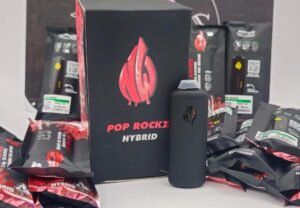
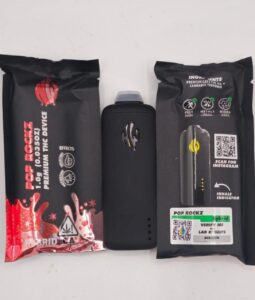
Package Contents
Depending on the manufacturer and distribution region, the package may include:
- One sealed disposable vaporizer
- Product labeling
- Safety information
- Manufacturing or batch identification
- User documentation
Actual contents may vary.
Frequently Asked Questions
What does “1G” mean?
It generally refers to the nominal capacity of the sealed reservoir.
Is the device refillable?
Disposable models are typically manufactured as sealed units and are not intended for refilling.
Are all versions rechargeable?
No. Rechargeability depends on the specific model.
Can internal components be replaced?
Disposable devices are generally designed as complete units without replaceable internal parts.
How should the device be stored?
A cool, dry environment away from excessive heat, moisture, and direct sunlight is generally recommended.






Reviews
There are no reviews yet.