




Shorties 2G Disposable Vape: Product Information
Overview
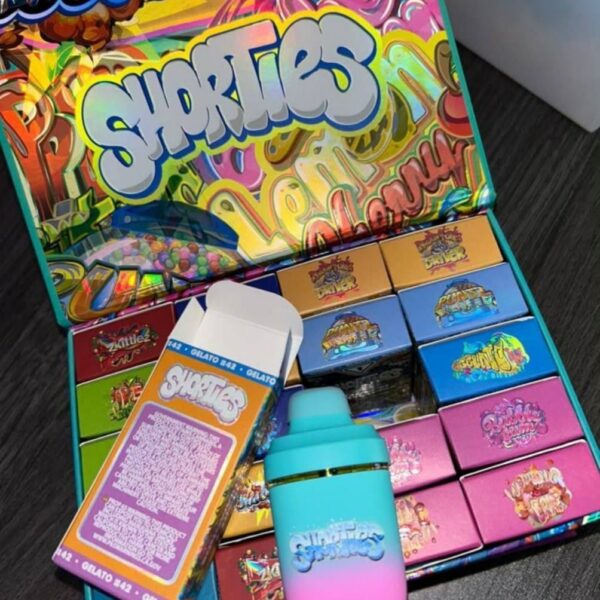
The Shorties 2G Disposable Vape is an electronic vaping device designed with an integrated, all-in-one construction. Depending on the manufacturer and model, it typically combines a battery, heating element, liquid reservoir, airflow pathway, and mouthpiece within a single enclosure. The integrated design eliminates the need to assemble separate components before use.

Device Construction
Disposable vape devices are manufactured with compact housings that protect internal electronic components while maintaining a portable form factor. The exterior may be produced from lightweight plastic, aluminum alloy, or a combination of materials. Dimensions, weight, finish, and appearance vary among manufacturers.
Inside the enclosure, the primary components are arranged to maximize space efficiency while supporting normal device operation. Internal layouts differ between models, although the overall engineering principles remain similar.
Common Components
A disposable vape in this category generally includes:
- Integrated battery
- Heating element
- Liquid reservoir
- Airflow channel
- Electronic control circuitry
- Mouthpiece
- Outer protective housing
The exact specifications depend on the manufacturer and production version.
General Operating Principle
Electronic vaping devices typically operate by supplying electrical energy from the battery to the heating element. The heating element warms the liquid contained within the reservoir, creating an aerosol that moves through the airflow pathway toward the mouthpiece. The activation method and electrical characteristics vary by product design.
Storage
Manufacturers generally recommend storing electronic vaping devices in a cool, dry location away from excessive heat, direct sunlight, moisture, and sources of physical damage. Product-specific storage recommendations should always be followed.
Disposal
Disposable vaping devices contain batteries and electronic components. In many regions, they should be disposed of through electronic waste or battery recycling programs rather than standard household waste. Local recycling requirements differ by jurisdiction.
Regulatory Information
Electronic vaping products are subject to different regulations depending on the country or region. Requirements may include age restrictions, labeling standards, ingredient disclosure, packaging rules, and manufacturing requirements. Users should review local laws and the manufacturer’s documentation for the specific product.
Technical Information
Battery capacity, dimensions, materials, ingredients, and other specifications vary by manufacturer and production batch. The packaging and accompanying documentation generally provide the most accurate technical information for the specific model.
The Shorties 2G Disposable is a disposable electronic vaping device that belongs to the category of self-contained vaping systems. Devices in this category are manufactured with integrated components that are enclosed within a single housing. Depending on the manufacturer and production version, the device may include a rechargeable or non-rechargeable battery, a heating element, an internal liquid reservoir, airflow passages, electronic circuitry, and a mouthpiece.
Unlike refillable electronic vaping systems, disposable devices are assembled as complete units. Their internal components are generally not designed to be removed or replaced by the user. This construction reduces the number of separate parts while allowing manufacturers to produce compact devices.
General Design
The outer housing serves as both a protective enclosure and a structural frame for the internal components. Engineering plastics, lightweight metals, or combinations of these materials are commonly used to provide durability while keeping the device relatively lightweight.
Internal components are positioned to maximize available space. Engineers arrange the battery, heating assembly, electronic circuit board, reservoir, and airflow pathway so they function together within a compact enclosure.
Primary Components
Disposable electronic vaping devices generally contain several integrated parts:
- Battery
- Heating element
- Reservoir
- Electronic control circuit
- Airflow channel
- Mouthpiece
- Protective housing
The exact specifications vary depending on the manufacturer and model.
Battery
The battery supplies electrical energy for device operation. Lithium-ion batteries are frequently used because they offer a balance of energy density, compact dimensions, and weight.
Heating Element
The heating element converts electrical energy into heat. The generated heat acts on the liquid supplied from the reservoir, producing an aerosol. Different manufacturers may use different materials and heating designs depending on engineering requirements.
Reservoir
The reservoir stores the liquid contained within the device. Capacity differs among models and may also be influenced by regional regulatory requirements.
Airflow System
Airflow channels direct incoming air through the internal structure before it exits through the mouthpiece. Airflow characteristics depend on the internal engineering of each model.
Electronic Circuitry
A compact circuit board manages electrical connections between the battery and heating system. Depending on the product design, the circuitry may include protective features intended to support normal electrical operation.
General Operating Principle
Disposable electronic vaping devices operate by transferring electrical energy from the battery to the heating element. Heat generated by the heating element produces an aerosol from the liquid supplied by the reservoir. The aerosol then moves through the airflow pathway.
The exact operating characteristics differ among manufacturers and product designs.
Manufacturing Process
Production typically involves multiple manufacturing stages, including:
- Component fabrication
- Housing production
- Battery preparation
- Circuit installation
- Heating element assembly
- Reservoir installation
- Final assembly
- Inspection
- Packaging
Automated production systems are commonly used to improve manufacturing consistency.
Quality Control
Manufacturers may perform quality control procedures throughout production. These procedures can include:
- Visual inspection
- Electrical testing
- Battery verification
- Airflow evaluation
- Leak inspection
- Packaging verification
- Product identification
Quality management procedures differ among manufacturers.
Storage
Manufacturers generally recommend storing electronic vaping devices in cool, dry environments away from excessive heat, direct sunlight, moisture, and sources of physical damage. Product-specific storage instructions should always be followed.
Disposal
Disposable vaping devices contain batteries and electronic components. In many jurisdictions, they are classified as electronic waste and should be disposed of through approved battery or electronic recycling programs when available.
Local disposal requirements vary by region.
Regulations
Regulation of electronic vaping devices differs internationally. Depending on the jurisdiction, requirements may address:
- Minimum purchase age
- Product labeling
- Packaging
- Ingredient disclosure
- Manufacturing standards
- Distribution controls
- Advertising restrictions
Manufacturers are responsible for complying with applicable regulations in the markets where their products are sold.
Environmental Considerations
Disposable electronic products combine plastics, metals, batteries, and electronic circuitry. Researchers continue investigating methods to improve recycling efficiency, recover valuable materials, and reduce environmental impacts associated with electronic waste.
Consumers can contribute by following local recycling guidance where appropriate collection systems exist.
Materials and Manufacturing Techniques
The manufacture of disposable electronic vaping devices relies on a combination of materials engineering, electronics assembly, and precision molding. Housing components are commonly produced through injection molding or metal-forming processes, depending on the intended product design. These manufacturing methods allow consistent production of parts with uniform dimensions while supporting high-volume assembly.
Internal electronic components are typically produced separately before final assembly. Batteries, printed circuit boards, heating elements, and reservoir components are combined using automated production equipment that places each part within the housing according to engineering specifications.
Automation helps improve repeatability during manufacturing. Cameras and sensors may be used to verify component placement, while production software monitors assembly operations and records manufacturing data for quality management purposes.

Component Integration
A defining characteristic of disposable electronic vaping devices is component integration. Unlike modular electronic systems, disposable devices are designed so that individual components operate together as a single assembly.
Engineers consider several factors during component integration, including available internal space, electrical connections, airflow routing, structural stability, and thermal management. Because each component occupies limited space, careful design planning is required to maintain consistent operation while preserving the compact dimensions of the finished product.
Thermal Management
Heat generation is a normal characteristic of many portable electronic devices. Designers evaluate thermal behavior during product development to better understand how heat moves through the internal structure during operation.
Material selection, component placement, and airflow pathways all influence thermal performance. Although disposable vape devices are considerably smaller than many consumer electronics, similar engineering principles regarding heat transfer and temperature distribution are considered during their design.
Supply Chain and Production
Manufacturing disposable electronic devices often involves international supply chains. Raw materials, electronic components, batteries, packaging materials, and finished assemblies may originate from different suppliers before final production is completed.
Traceability systems are commonly used throughout manufacturing to identify production batches and maintain records that support quality management. Batch identification can assist manufacturers if production issues require additional investigation.
Research and Future Engineering
Research related to compact electronic devices continues in several engineering disciplines. Material scientists investigate alternative polymers, improved conductive materials, and recycling methods. Battery researchers study higher energy density, improved charging characteristics, and longer service life. Manufacturing engineers continue developing automation technologies that improve production efficiency while reducing material waste.
These areas of research extend beyond vaping products and contribute to broader advances in portable electronics, wearable devices, sensors, and battery-powered consumer products.
Technical Perspective
From an engineering standpoint, disposable electronic vaping devices illustrate how multiple systems—including batteries, electronic controls, heating elements, airflow pathways, and protective housings—can be integrated into a compact form factor. Understanding these systems from a technical perspective provides insight into the design and manufacturing considerations involved in producing small electronic devices.
Because specifications, materials, and construction methods vary among manufacturers, the official documentation supplied with a specific product remains the most reliable source of detailed technical information.

The Shorties 2G Disposable belongs to the category of disposable electronic vaping devices. Products in this category are designed as integrated electronic systems that combine multiple components into a single enclosure. Although specific features vary by manufacturer, disposable devices generally include a battery, an electronic control system, a heating element, a liquid reservoir, airflow channels, and a mouthpiece.
Disposable vaping devices differ from refillable systems because their principal components are permanently assembled during manufacturing. This design reduces the number of removable parts and creates a compact form factor that can be produced efficiently using modern manufacturing techniques.
From an engineering perspective, disposable electronic vaping devices illustrate how electrical, mechanical, and materials engineering are combined within a small portable product. Advances in battery technology, automated assembly, and miniaturized electronics have influenced the development of this category over time.
This article explains the technology behind disposable vaping devices without promoting their use. It focuses on product construction, manufacturing, quality assurance, regulatory considerations, and environmental issues.
Device Architecture
Disposable electronic vaping devices are designed around a compact internal architecture. Engineers arrange components carefully to maximize the available space while maintaining structural integrity and electrical performance.
The internal layout generally consists of:
- Battery assembly
- Electronic control circuit
- Heating element
- Liquid reservoir
- Airflow pathway
- Mouthpiece
- Protective housing
Each component performs a specific function within the overall system. Because the enclosure has limited space, the arrangement of these parts is an important consideration during product development.
Battery Technology
Portable electronic devices frequently use lithium-ion batteries because they provide relatively high energy density in compact dimensions. Disposable vaping devices commonly use batteries of this type, although exact specifications vary among manufacturers.
Battery design involves balancing several factors, including physical size, electrical output, weight, manufacturing cost, and thermal performance. Engineers evaluate these characteristics during product development to ensure compatibility with the device’s electrical requirements.
Rechargeable batteries used in electronic products include internal safety mechanisms that are designed to support normal operation. The specific protective features depend on the battery manufacturer and the product design.
Heating System
The heating element converts electrical energy supplied by the battery into heat. During operation, liquid from the reservoir is brought into contact with the heated surface, producing an aerosol.
Heating elements are manufactured using materials selected for electrical conductivity, durability, and manufacturing consistency. Research continues into improved materials that may provide greater efficiency and stable operating characteristics.
The heating system works together with the battery, airflow pathway, and electronic circuitry as part of an integrated system.
Airflow Engineering
Airflow is an important aspect of the internal design of disposable electronic devices. Engineers design airflow channels to direct incoming air through the heating area before it exits the mouthpiece.
Airflow characteristics are influenced by factors such as channel dimensions, internal resistance, and component placement. Computational modeling and physical testing may be used during product development to evaluate airflow performance.
Changes to airflow geometry can influence how air moves through the device, making airflow engineering an important part of overall product design.
Manufacturing
Disposable vaping devices are typically manufactured using automated production lines.
Production often includes the following stages:
- Production of housing components.
- Preparation of battery assemblies.
- Installation of printed circuit boards.
- Assembly of heating elements.
- Integration of reservoirs.
- Final enclosure assembly.
- Product inspection.
- Packaging.
Automation improves production consistency while reducing manufacturing variability.
Quality Management
Quality management systems help manufacturers monitor production processes.
Inspection procedures may include:
- Visual examination
- Battery testing
- Electrical verification
- Airflow inspection
- Leak assessment
- Packaging review
- Batch identification
Manufacturing facilities may also maintain documentation to support traceability and quality control.
Materials
Disposable electronic devices combine several classes of materials.
Common examples include engineering plastics, aluminum alloys, copper conductors, electronic components, insulating materials, and lithium-ion battery cells.
Material selection depends on engineering objectives, manufacturing methods, structural requirements, and applicable regulations.
Researchers continue investigating alternative materials that may improve durability, manufacturing efficiency, or recyclability.
Environmental Considerations
Disposable electronic devices contain batteries, plastics, metals, and circuit boards. Because these materials require specialized handling, disposal practices differ from those used for ordinary household waste in many regions.
Battery recycling programs and electronic waste collection facilities help recover valuable materials and reduce environmental impacts associated with disposal.
Many governments encourage appropriate recycling of battery-powered electronics through dedicated collection programs.
Regulatory Environment
Electronic vaping devices are regulated differently across countries and regions.
Requirements may include product registration, ingredient disclosure, packaging standards, warning statements, manufacturing controls, and minimum legal purchase ages.
Manufacturers are responsible for complying with the regulations that apply in the jurisdictions where their products are distributed.
Because regulations continue to evolve, official product documentation and local regulatory agencies remain the most reliable sources of current requirements.
Shorties 2G Disposable: Technical Overview and Product Information
The Shorties 2G Disposable belongs to the category of integrated electronic vaping devices designed with multiple internal components contained within a single housing. These devices combine electrical, mechanical, and material engineering principles to create a compact electronic system.
Unlike refillable electronic devices that rely on replaceable tanks, coils, or external components, disposable devices are manufactured as complete units. Their internal systems are assembled during production and are generally not intended for user modification or component replacement.
From an engineering perspective, disposable electronic devices demonstrate how modern manufacturing techniques allow several complex systems to operate within a small physical structure. Battery technology, electronic controls, heating systems, airflow pathways, and protective materials must work together within limited internal space.
This overview examines the construction, technology, manufacturing processes, and general considerations associated with this category of electronic device.
Device Architecture
The architecture of a disposable electronic device is based on component integration. Each internal part is positioned according to specific engineering requirements.
The main structural elements commonly include:
- Outer protective enclosure
- Battery system
- Electronic control components
- Heating assembly
- Internal reservoir
- Airflow channels
- Mouthpiece structure
The arrangement of these components determines the overall physical design and operational characteristics of the device.
Because disposable devices are compact, engineers must carefully manage available space. Component placement, electrical connections, and airflow pathways are evaluated during the design process.
External Housing Design
The outer housing provides protection for the internal components. It helps maintain the structural integrity of the device during transportation and handling.
Materials used in electronic device housings may include:
- Engineering plastics
- Aluminum alloys
- Composite materials
- Insulating materials
Material selection depends on manufacturing requirements, durability considerations, weight limitations, and production methods.
The housing also serves as a framework that supports the alignment of internal components. Proper structural design helps maintain consistent assembly during manufacturing.
Battery System
The battery is a central component of portable electronic devices. It provides electrical energy required for the operation of internal systems.
Lithium-ion battery technology is commonly used across many portable electronics because of its balance between size, weight, and energy storage capacity.
Battery engineering involves several considerations, including:
- Energy capacity
- Physical dimensions
- Electrical output
- Temperature management
- Safety characteristics
Manufacturers evaluate these factors when designing compact electronic products.
Electronic Control Components
Electronic control systems coordinate the interaction between different components inside the device.
A small circuit board may be used to manage electrical connections and regulate communication between the battery and heating system.
Modern electronics manufacturing allows circuit boards to become increasingly compact while maintaining reliable performance.
Miniaturization has influenced many industries, including mobile devices, wearable technology, medical electronics, and other portable systems.
Heating Technology
The heating system is responsible for converting electrical energy into thermal energy.
The heating element is designed using conductive materials that can generate heat when electrical current passes through the component.
Engineering considerations for heating systems include:
- Material properties
- Electrical resistance
- Heat distribution
- Manufacturing consistency
Different manufacturers may use different designs depending on their engineering goals and production requirements.
Airflow Design
Airflow engineering involves the management of air movement through internal channels.
Designers evaluate airflow pathways to understand how air travels through the device structure. Factors such as channel dimensions, internal resistance, and component placement influence airflow characteristics.
Computer modeling and physical testing may be used during product development to evaluate airflow behavior.
Similar engineering approaches are used in many compact devices where air movement affects system performance.
Manufacturing Process
The production of disposable electronic devices involves several manufacturing stages.
A general production process may include:
Component Manufacturing
Individual parts such as housings, batteries, electronic boards, and internal components are produced separately.
Assembly
Components are positioned and connected according to manufacturing specifications.
Inspection
Completed assemblies may undergo quality checks to identify manufacturing inconsistencies.
Packaging
Finished products are prepared for transportation and distribution according to applicable requirements.
Automation is commonly used throughout electronics manufacturing to improve consistency and production efficiency.
Quality Management
Quality management helps manufacturers maintain production standards.
Testing procedures may include:
- Component inspection
- Electrical verification
- Structural assessment
- Packaging review
- Batch identification
Quality systems vary depending on manufacturer practices and regulatory requirements.
Documentation and traceability procedures may also be maintained to support manufacturing records.
Materials and Sustainability
Disposable electronic products contain multiple materials, including plastics, metals, electronic components, and batteries.
Because these materials have different recycling requirements, electronic waste management has become an important consideration within the technology industry.
Researchers continue exploring methods to improve:
- Material recovery
- Battery recycling
- Sustainable manufacturing
- Waste reduction
These challenges apply broadly to many battery-powered consumer electronics.
Regulatory Considerations
Electronic vaping products are regulated differently across regions.
Regulations may address:
- Manufacturing requirements
- Product labeling
- Packaging standards
- Age restrictions
- Distribution rules
- Environmental requirements
Because regulations vary, manufacturers must consider the requirements of each market where products are distributed.
Consumers and businesses should consult applicable local regulations for current requirements.
Future Technology Development
Advancements in materials science, battery engineering, and manufacturing automation continue to influence portable electronic devices.
Future developments may focus on:
- Improved energy efficiency
- Smaller electronic components
- More sustainable materials
- Advanced recycling methods
- More efficient manufacturing processes
These areas of research contribute to innovation across many technology sectors.
Conclusion
The Shorties 2G Disposable represents a category of integrated electronic devices that combine multiple systems within a compact structure. Understanding its engineering principles requires examining battery technology, electronic controls, heating systems, airflow design, manufacturing methods, and environmental considerations.
Rather than focusing on promotional claims, a technical perspective provides insight into how compact electronic products are designed, assembled, evaluated, and managed throughout their lifecycle.













Reviews
There are no reviews yet.