


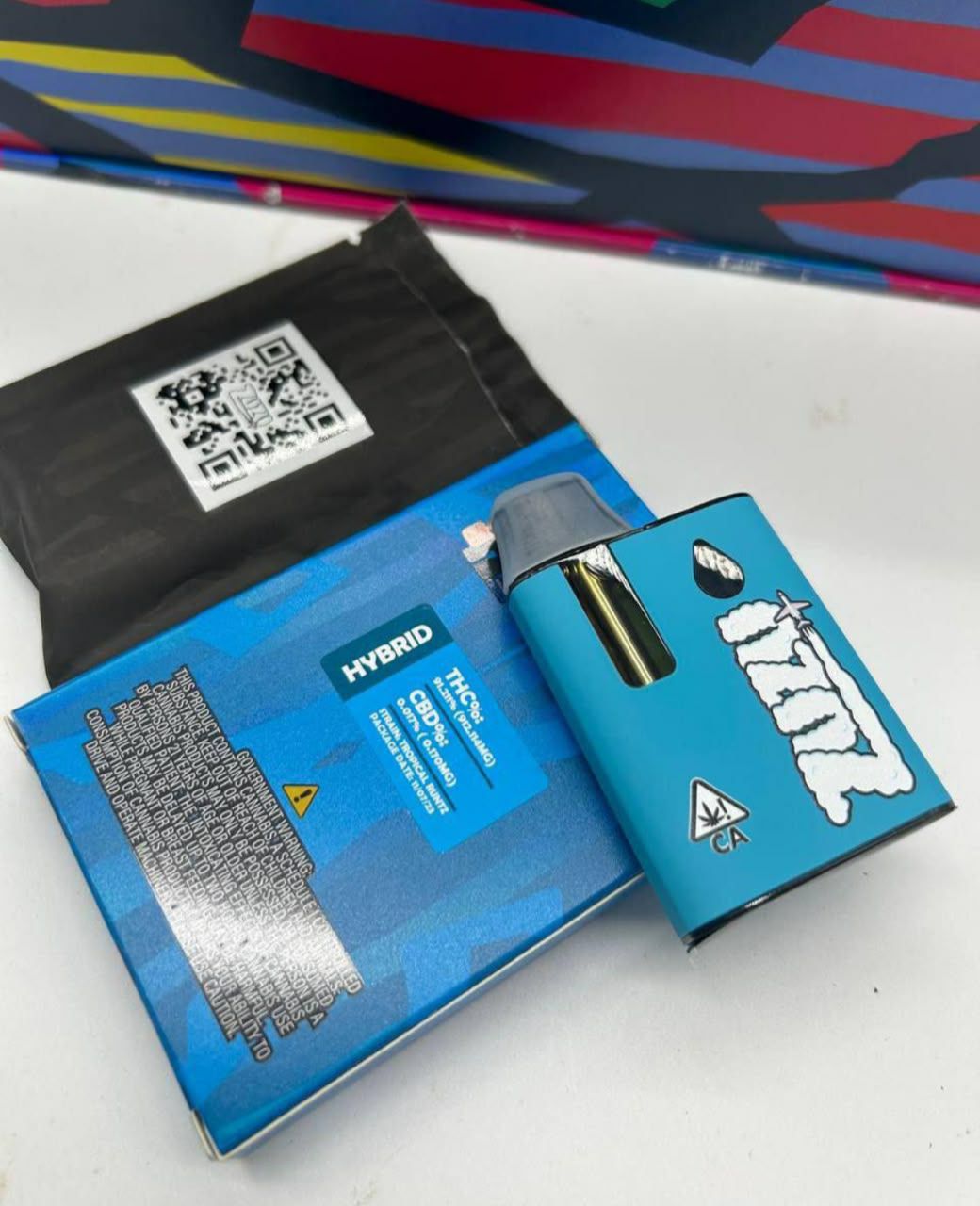
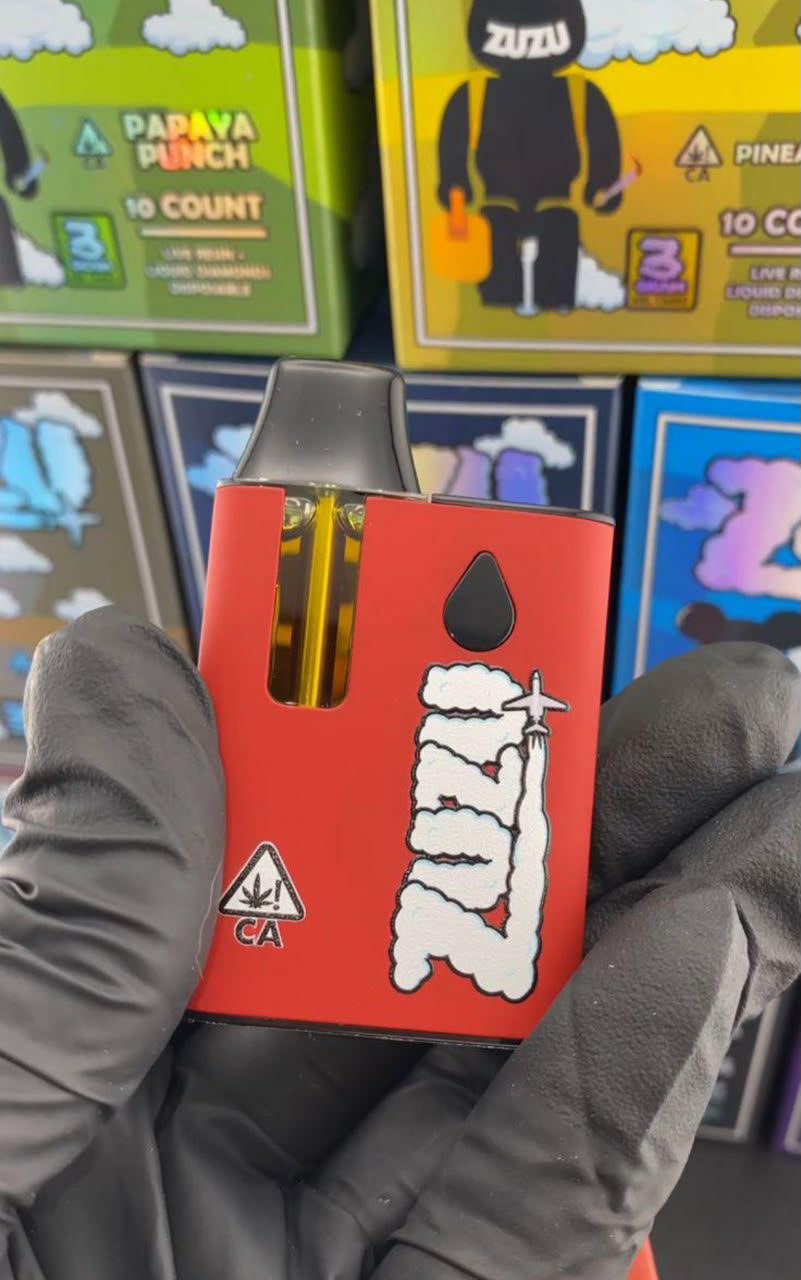


Zuzu 3G Disposable: An Informational Overview of Design, Technology, and Device Features
Introduction to 3G Disposable Vaporizer Technology
The Zuzu 3G Disposable belongs to a broader category of compact electronic vaporizer devices designed around integrated hardware. These devices combine multiple components, including a battery system, heating element, internal chamber, airflow pathway, and mouthpiece, within a single enclosure.
The term “3G” generally refers to the approximate capacity of the internal reservoir. However, capacity alone does not determine device performance because factors such as battery efficiency, heating technology, airflow engineering, and manufacturing quality also influence how a device functions.
Over recent years, disposable vaporizer technology has developed significantly. Improvements in battery systems, electronic controls, and heating materials have allowed manufacturers to create smaller devices with increasingly sophisticated internal designs. Consequently, modern disposable devices often contain advanced engineering despite their simple external appearance.
This guide provides an educational overview of the design principles, technology, and considerations associated with 3-gram disposable vaporizer devices.

Understanding the Structure of a 3G Disposable Device
A disposable vaporizer is built as an integrated electronic system. Unlike reusable devices that separate batteries, cartridges, and accessories, disposable models combine these elements into one unit.
The primary internal components generally include:
- Battery system
- Electronic control board
- Heating element
- Material reservoir
- Airflow channels
- Mouthpiece assembly
Each component has a specific role. Furthermore, the components must operate together efficiently because space inside the device is limited.
The compact structure requires careful engineering. Therefore, manufacturers must balance capacity, portability, energy consumption, and durability during development.
Battery Technology and Power Management
Role of the Battery
The battery provides the electrical energy required to operate the heating system. Most modern electronic vaporizer devices rely on lithium-ion battery technology because these batteries provide relatively high energy storage while maintaining a compact size.
Battery design involves several considerations, including:
- Energy capacity
- Physical size
- Charging capability
- Electrical protection
- Operating temperature range
Because a disposable device contains both electronic and mechanical systems, battery performance plays an important role in overall functionality.
Electronic Regulation Systems
Many disposable devices include electronic controls that regulate power delivery. These systems help manage the relationship between the battery and heating element.
Power regulation can influence:
- Heating consistency
- Energy efficiency
- Device stability
Additionally, protective circuits may be included to monitor electrical conditions and reduce potential problems associated with abnormal operation.
Heating Element Technology
Purpose of the Heating System
The heating element is responsible for converting electrical energy into controlled heat. This process allows material within the reservoir to be transformed into vapor.
Modern vaporizer designs often focus on creating stable heating conditions. Therefore, heating technology has become one of the most important areas of development within the industry.
Ceramic Heating Components
Ceramic heating elements are commonly used in many vaporizer designs because ceramic materials can provide effective heat distribution.
Several characteristics contribute to their popularity:
- Heat resistance
- Consistent thermal behavior
- Structural durability
- Compatibility with compact designs
However, heating systems vary between devices. As a result, performance characteristics depend on the specific engineering approach used during manufacturing.
Airflow Engineering and Vapor Path Design
Airflow is an essential part of disposable vaporizer construction. The internal pathway determines how air moves through the device and interacts with the heating system.
A typical airflow process involves several stages:
- Air enters through intake openings.
- Air moves through internal channels.
- The heating chamber processes the material.
- Vapor travels through the mouthpiece pathway.
Each stage must be carefully designed. Furthermore, airflow must be balanced with heating performance because changes in air movement can influence temperature behavior.
Engineers often focus on creating airflow systems that support stable operation while maintaining a compact device size.
Reservoir Design and Capacity Considerations
The reservoir stores the material contained within the device. A 3-gram capacity design requires additional internal space compared with smaller-capacity alternatives.
Therefore, manufacturers must consider:
- Reservoir dimensions
- Internal sealing
- Material compatibility
- Device proportions
The reservoir must remain structurally secure while allowing controlled movement toward the heating system.
Temperature and storage conditions may influence internal materials. Consequently, proper handling and appropriate storage environments are important considerations for electronic vaporizer products.
Manufacturing and Assembly Processes
Component Integration
The manufacturing process involves assembling multiple small components into a single functional device.
During assembly, attention is typically given to:
- Electrical connections
- Battery placement
- Heating alignment
- Airflow structure
- External housing
Because the components are closely integrated, precision is important throughout production.
Quality Assessment
Manufacturers may perform various quality checks during production. These evaluations can involve electrical testing, structural inspection, and packaging verification.
Quality procedures are designed to identify potential issues and maintain consistency between individual units.
Furthermore, regulated markets may require additional testing and documentation depending on local requirements.
Disposable Versus Reusable Vaporizer Systems
Disposable and reusable devices represent different approaches to electronic product design.
Disposable Systems
Disposable devices are designed around integrated construction. The battery, reservoir, and heating system remain together as one unit.
This structure can reduce the number of separate components required. However, the entire device reaches the end of its useful period as a single electronic item.
Reusable Systems
Reusable systems typically separate the battery hardware from replaceable components. This design can allow continued use of the main device while individual parts are replaced.
However, reusable devices may involve additional maintenance requirements and more complex operation.
Environmental Considerations
Disposable electronics create unique waste management challenges because they contain mixed materials.
Common materials may include:
- Batteries
- Metals
- Plastics
- Electronic circuits
Proper electronic waste handling is important because different materials require different recycling approaches.
Storage and Handling Considerations
Electronic devices generally perform best when protected from extreme environmental conditions.
Factors that may influence device condition include:
- Excessive heat
- Freezing temperatures
- Moisture exposure
- Physical impact
Furthermore, battery-containing devices should be handled carefully because damaged electronic components may create safety concerns.
Keeping electronic products away from children and unauthorized users is also an important safety practice.
Regulatory and Safety Context
Regulations surrounding cannabis-related electronic products vary significantly by location. Requirements related to manufacturing, labeling, distribution, and use may differ between jurisdictions.
Therefore, information about any specific product should always be considered alongside applicable regional laws.
Safety considerations commonly associated with electronic vaporizer devices include:
- Battery protection
- Proper storage
- Avoiding physical damage
- Following manufacturer information
Future Trends in Disposable Vaporizer Design
Technology continues to influence the development of disposable electronic devices. Future designs may focus on improvements in:
- Battery efficiency
- Material sustainability
- Electronic controls
- Manufacturing processes
- Recycling methods
Environmental concerns are becoming increasingly important throughout the electronics industry. Consequently, future disposable device development may involve greater attention toward recyclable materials and waste reduction.

Advanced Engineering Considerations in 3G Disposable Vaporizer Design
Internal Component Coordination
A modern 3G disposable vaporizer depends on the interaction between several internal systems. Although each component has an individual purpose, the device only functions effectively when all parts are properly coordinated.
The battery must provide suitable electrical output for the heating element. At the same time, the heating system must respond efficiently to power delivery while maintaining stable operation. Furthermore, the airflow pathway must support movement through the device without interfering with temperature control.
Because the internal space is limited, engineers must carefully arrange each component. Small changes in placement can influence factors such as airflow behavior, heat distribution, and structural reliability.
Electronic Circuit Design
Electronic circuits serve as the control center of many disposable vaporizer devices. These circuits manage communication between the battery, activation system, and heating element.
Several electronic functions may be included within a compact control board:
- Power regulation
- Activation detection
- Battery monitoring
- Safety protection systems
- Charging management
The development of smaller electronic components has allowed manufacturers to create increasingly compact devices without removing essential control features.
Additionally, electronic efficiency has become an important design consideration. Better power management can help reduce unnecessary energy consumption while supporting consistent device operation.
Sensor Technology and Automatic Activation
Airflow Detection Systems
Many disposable vaporizer devices use airflow sensors to detect when the device is being activated. These sensors identify changes in air pressure and send signals to the electronic system.
Once activation is detected, the circuit allows power to reach the heating element. After airflow stops, the system typically ends power delivery.
This process reduces the need for physical buttons and contributes to the simplified design associated with many disposable devices.
Sensor Reliability
Sensor performance depends on several factors, including internal design, electronic sensitivity, and environmental conditions.
Manufacturers must consider potential influences such as:
- Dust exposure
- Moisture
- Airflow consistency
- Component durability
Therefore, sensor systems are often tested during development to ensure reliable communication between mechanical and electronic components.
Heat Management and Thermal Design
Importance of Heat Control
Heat management is a major engineering challenge in compact electronic devices. The heating element must generate sufficient heat while protecting surrounding components.
Effective thermal design considers:
- Heat distribution
- Insulation materials
- Battery protection
- Internal spacing
Because batteries and electronic circuits can be sensitive to excessive heat, thermal management is incorporated into many device designs.
Insulation and Protection
Insulation materials may be used to separate heated sections from temperature-sensitive components.
Additionally, structural barriers can help maintain a safer internal arrangement by controlling where heat travels within the device.
The combination of heating technology and protective design contributes to the overall reliability of the device structure.
Packaging and Product Information Systems
Role of Packaging
Packaging provides protection during transportation and storage. It also communicates important information about the product and applicable regulations.
Depending on regional requirements, packaging may include:
- Product identification
- Manufacturing details
- Safety information
- Required warnings
- Regulatory information
Clear packaging standards help create consistency within regulated markets.
Information Transparency
Accurate product information supports better understanding of electronic devices. Technical details, component descriptions, and regulatory information allow users and organizations to evaluate products more effectively.
Transparency is particularly important for products that combine electronics, batteries, and specialized materials.
Supply Chain and Manufacturing Factors
Component Sourcing
The production of disposable electronic devices depends on multiple supply chain stages. Components such as batteries, circuit boards, heating elements, and structural materials may originate from different suppliers.
Manufacturers must coordinate these components to maintain consistent production standards.
Furthermore, supply chain management can influence:
- Manufacturing timelines
- Material availability
- Production costs
- Quality consistency
Production Testing
Testing procedures are often incorporated throughout manufacturing. These checks help identify problems related to assembly, electronics, and structural performance.
Examples of production evaluations may include:
- Electrical connection testing
- Battery inspection
- Physical examination
- Packaging verification
The purpose of these procedures is to maintain reliability and identify potential manufacturing issues.
User Experience Design Principles
Simplicity and Accessibility
Disposable vaporizer designs often emphasize straightforward physical interaction. A limited number of external controls reduces complexity and creates a simpler interface.
From an engineering perspective, simplicity can reduce the number of mechanical components required.
However, simplicity in appearance does not necessarily mean simplicity in construction. Many compact devices contain advanced electronic systems beneath their external housing.
Portability Factors
Portability depends on several design choices, including:
- Device dimensions
- Weight distribution
- Battery size
- Material selection
Engineers must balance these factors because increasing one feature may affect another. For example, increasing capacity may require additional internal space, which can influence overall size.
Industry Development and Technology Trends
Improvements in Battery Systems
Battery technology continues to influence electronic product development. Research into improved energy storage, charging efficiency, and compact battery formats affects many portable devices.
Future developments may include:
- More efficient power delivery
- Longer-lasting battery systems
- Improved charging technology
- Enhanced safety monitoring
Advances in Materials
Material innovation also plays an important role in device development.
Researchers continue exploring materials that may provide:
- Greater durability
- Improved heat resistance
- Reduced environmental impact
- Better manufacturing efficiency
As material science develops, electronic products may benefit from lighter, stronger, and more sustainable construction methods.
Environmental Responsibility and Recycling Challenges
Electronic Waste Concerns
Disposable electronic products create challenges because they combine multiple materials in a single item.
Unlike simple household waste, electronic products may require specialized processing due to the presence of batteries and circuit components.
Responsible waste management helps reduce environmental impact and supports recovery of useful materials.
Future Sustainability Approaches
The electronics industry continues exploring ways to improve sustainability. Potential approaches include:
- Designing products for easier recycling
- Reducing unnecessary packaging
- Increasing material recovery
- Improving manufacturing efficiency
These developments may influence future generations of disposable electronic devices.

Summary of 3G Disposable Vaporizer Technology
A 3G disposable vaporizer represents a combination of electrical engineering, mechanical design, material science, and manufacturing processes.
The device category includes multiple interconnected systems:
- Battery technology provides electrical power.
- Electronic controls manage operation.
- Heating systems create controlled temperature conditions.
- Airflow pathways guide internal movement.
- Structural materials protect internal components.
Understanding these elements provides a clearer view of how modern disposable vaporizer devices are designed and manufactured. As technology progresses, improvements in efficiency, sustainability, and electronic control systems are expected to continue shaping future designs.














Reviews
There are no reviews yet.