


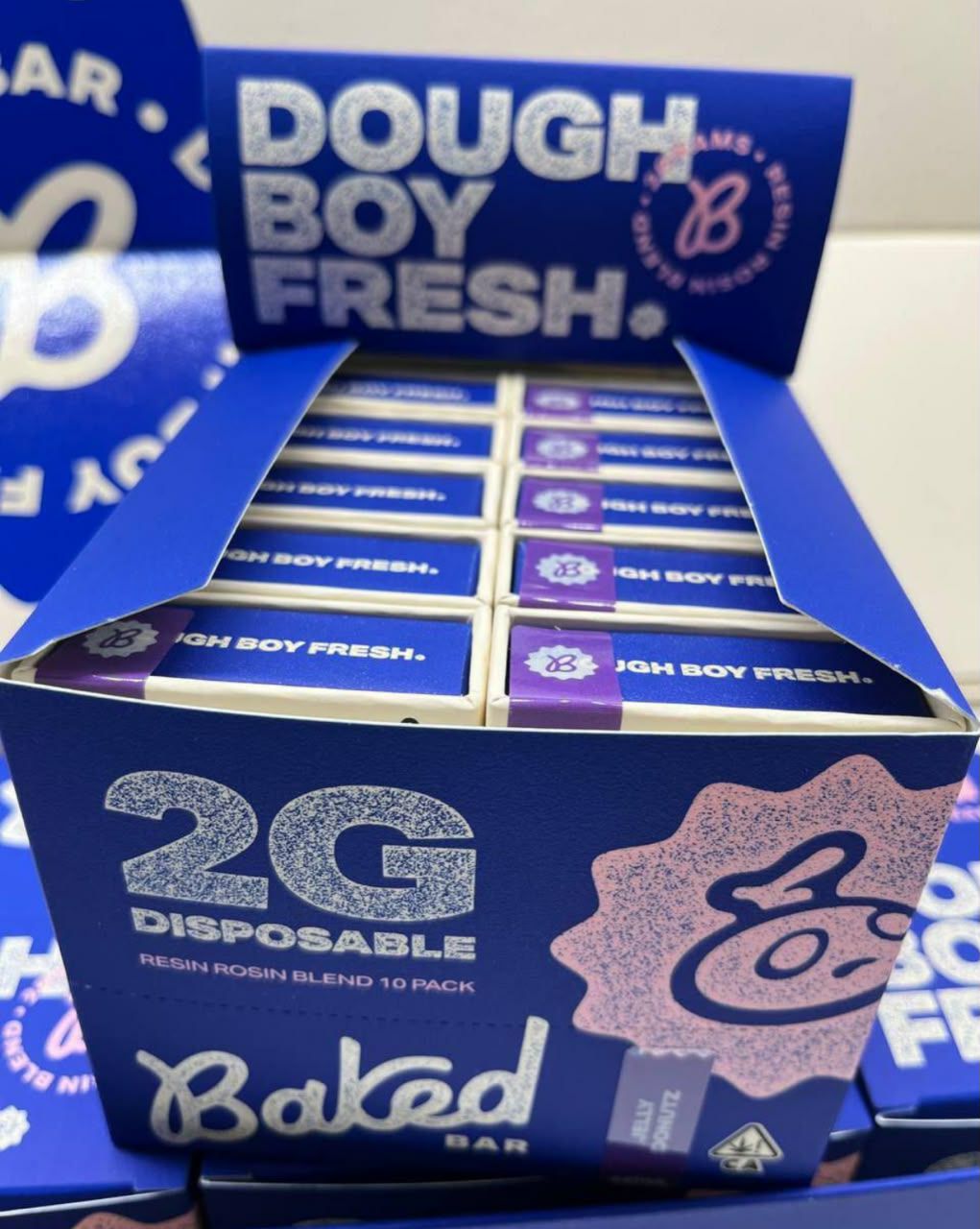

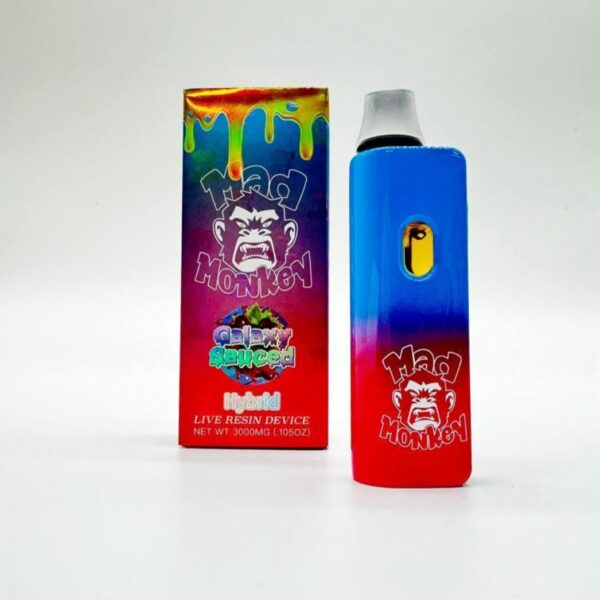
Baked Bar Disposable
Introduction
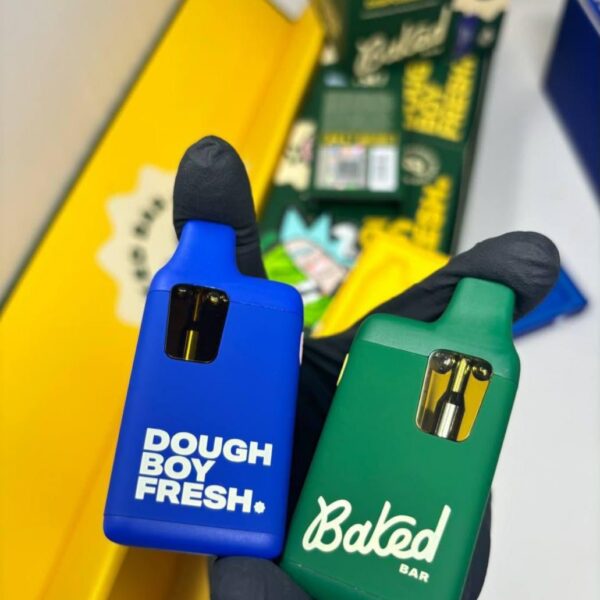
The Baked Bar Disposable is a compact electronic vaporizer designed as a self-contained device. Unlike refillable vaporizer systems, disposable models integrate the battery, heating element, liquid reservoir, airflow pathway, and mouthpiece into a single enclosure. This construction minimizes the number of separate components while providing a straightforward design that requires no assembly or routine replacement of internal parts.
Disposable electronic vaporizers have become increasingly common because they combine portability with integrated engineering. Their sealed construction distinguishes them from reusable systems, which typically require refillable tanks, replaceable coils, and additional accessories. Consequently, disposable devices are frequently selected for their simplified design and compact dimensions rather than for customization.
This guide provides an objective overview of the Baked Bar Disposable. Rather than promoting the product, it explains its design, construction, operating principles, materials, storage recommendations, safety considerations, and environmental responsibilities. Because specifications may vary among manufacturers or production batches, readers should also consult the packaging or official documentation associated with a specific model.

Product Overview
The Baked Bar Disposable combines several electronic and mechanical systems into a single housing. These systems typically include:
- Integrated battery
- Heating element
- Liquid reservoir
- Airflow pathway
- Electronic circuitry
- Protective housing
- Mouthpiece
Each component contributes to the operation of the device. Since these parts are assembled during manufacturing, users generally do not access or replace internal components during normal use.
The compact design reduces assembly requirements while maintaining a streamlined appearance. Furthermore, integrated construction limits the number of detachable parts that might otherwise require maintenance.
Device Construction
Disposable vaporizer devices consist of multiple layers of engineered components that work together within a sealed enclosure.
The exterior shell protects internal electronics from routine handling while also providing structural support. Manufacturers commonly select lightweight materials that balance durability with portability.
Inside the housing, electronic circuitry regulates battery performance and heating cycles. Meanwhile, the reservoir stores the liquid formulation, and the airflow pathway guides air through the heating chamber toward the mouthpiece.
Although manufacturing methods differ, the underlying engineering principles remain broadly similar across many disposable vaporizer designs.
Exterior Design
The outer housing serves several practical purposes.
First, it protects internal components.
Second, it improves grip during handling.
Third, it helps organize airflow through designated intake openings.
Depending on manufacturing choices, the exterior may incorporate:
- Aluminum alloy
- Polycarbonate
- ABS plastic
- Composite materials
Rounded edges and smooth finishes commonly improve handling while reducing unnecessary wear during transportation.
Internal Components
Battery
The integrated battery provides electrical power for the heating system.
Rechargeable versions typically utilize lithium-ion battery technology because of its relatively high energy density and compact size.
Battery capacity varies depending on the specific model.
Heating Element
The heating element converts electrical energy into heat.
During operation, the heated surface vaporizes liquid delivered from the internal reservoir.
Common heating technologies include:
- Mesh heating structures
- Ceramic heating systems
- Resistance wire coils
Each technology reflects different engineering priorities relating to heat distribution and durability.
Reservoir
The internal reservoir stores the liquid formulation.
Manufacturers generally seal this compartment during production.
Consequently, the reservoir is not intended for refilling or modification.
Airflow System
Air enters through designated intake openings before moving toward the heating chamber.
Following vapor generation, the airflow carries the aerosol toward the mouthpiece.
Proper airflow supports consistent operation under normal conditions.
Operating Principle
Disposable vaporizers function through a straightforward sequence of electronic processes.
When airflow is detected, an internal sensor activates the heating circuit.
Electrical energy flows from the battery to the heating element.
The heating element rapidly reaches operating temperature.
Liquid contacts the heated surface.
An aerosol is generated.
Finally, airflow carries the aerosol through the mouthpiece.
Once inhalation stops, the electronic controller interrupts power delivery.
As a result, unnecessary battery consumption is minimized.
Automatic Activation
Many disposable devices utilize draw activation rather than manual buttons.
The airflow sensor detects pressure changes created during inhalation.
Following detection, the electronic controller briefly powers the heating element.
When airflow ends, electrical power is automatically disconnected.
This design reduces mechanical complexity while simplifying operation.
Materials Used
Manufacturers select construction materials according to structural requirements, thermal performance, manufacturing efficiency, and durability.
Common materials include:
- Aluminum
- Stainless steel
- Polycarbonate
- ABS plastic
- Silicone seals
- Copper electrical conductors
Each material performs a specific function within the completed device.
Compact Construction
One defining characteristic of disposable vaporizers is their compact size.
Integrated construction allows multiple systems to fit within a relatively small enclosure.
As a result, transportation becomes more convenient because separate accessories are generally unnecessary.
Furthermore, sealed construction minimizes exposure of internal components during everyday handling.
Electronic Protection Systems
Modern disposable vaporizer devices often incorporate electronic protection circuits.
These systems may include:
- Short-circuit protection
- Over-discharge protection
- Low-voltage monitoring
- Charging management
- Automatic shutoff timers
- Overheating protection
Protective electronics contribute to battery management during normal operating conditions.
Battery Management
Battery management circuitry regulates electrical performance throughout the operating cycle.
The circuit monitors battery voltage while coordinating power delivery to the heating element.
Rechargeable models additionally supervise charging activity according to internal programming.
Lithium-ion batteries gradually lose capacity over time because rechargeable cells naturally age through repeated charging cycles.
Charging Information
Some Baked Bar Disposable models include rechargeable batteries, whereas others do not.
Rechargeable versions commonly utilize USB charging interfaces.
Charging equipment should remain compatible with manufacturer recommendations whenever available.
Charging is generally performed on stable, nonflammable surfaces with adequate ventilation.
If excessive heat develops during charging, the device should be disconnected and inspected according to manufacturer guidance.









Reviews
There are no reviews yet.