
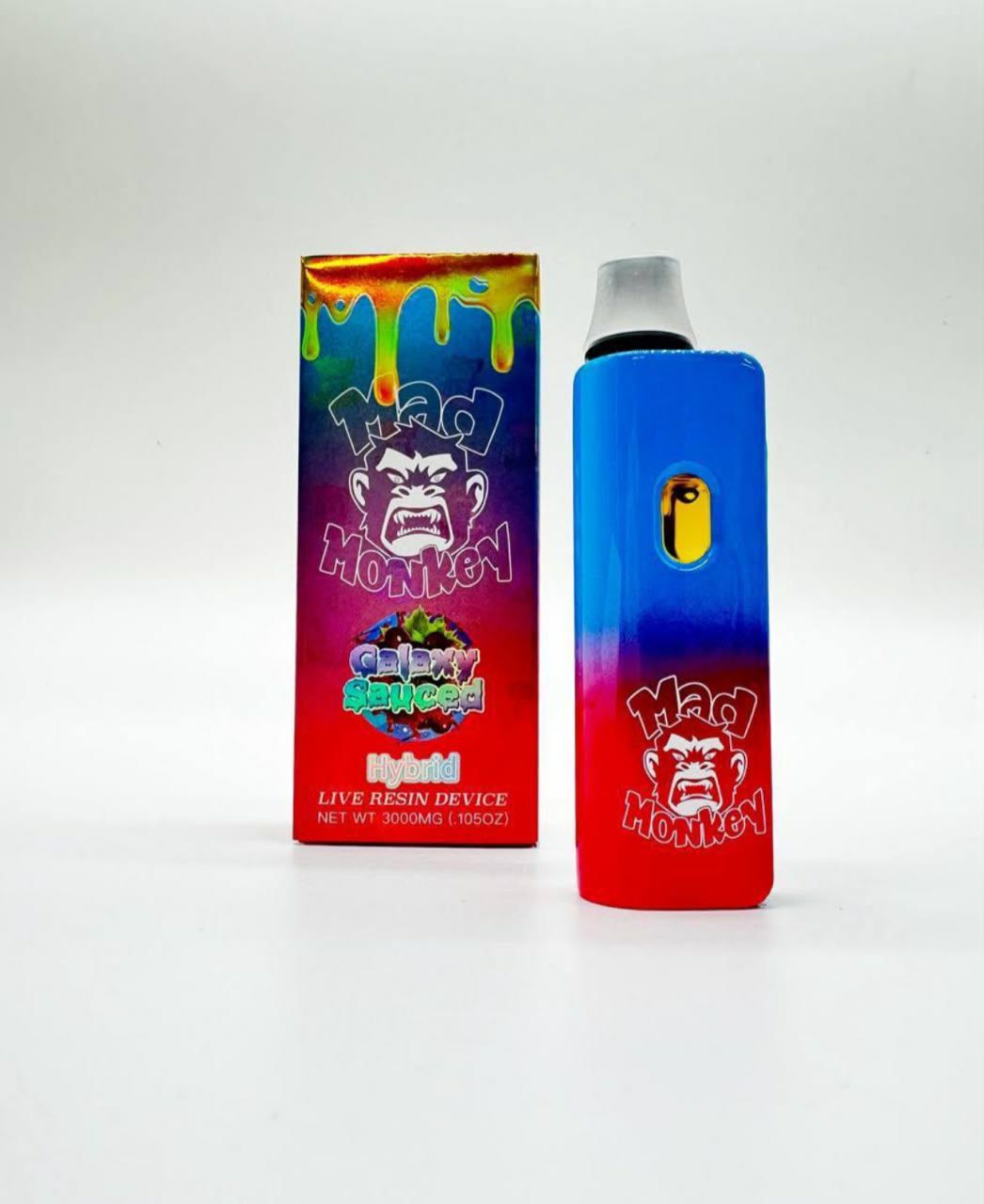
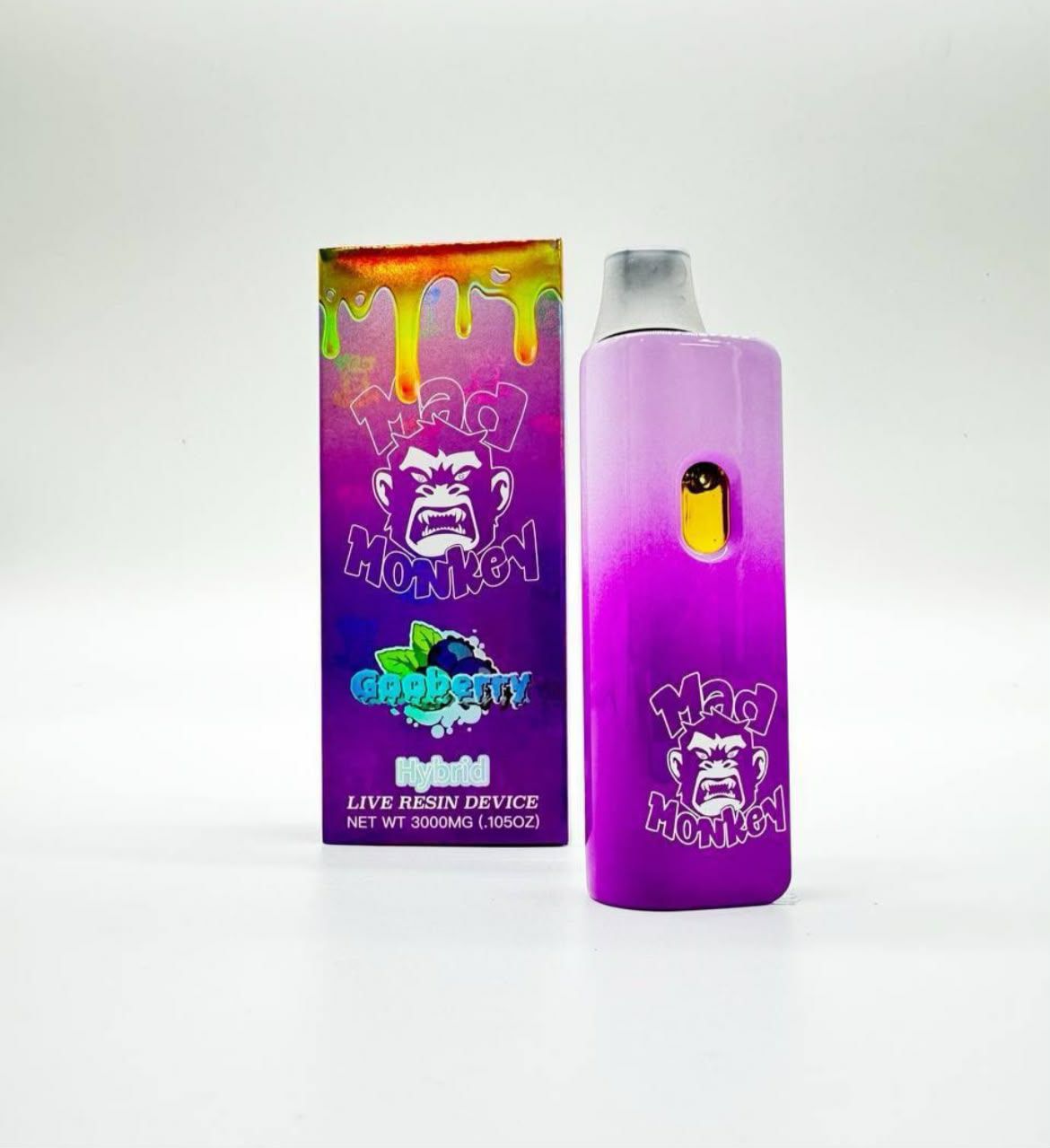
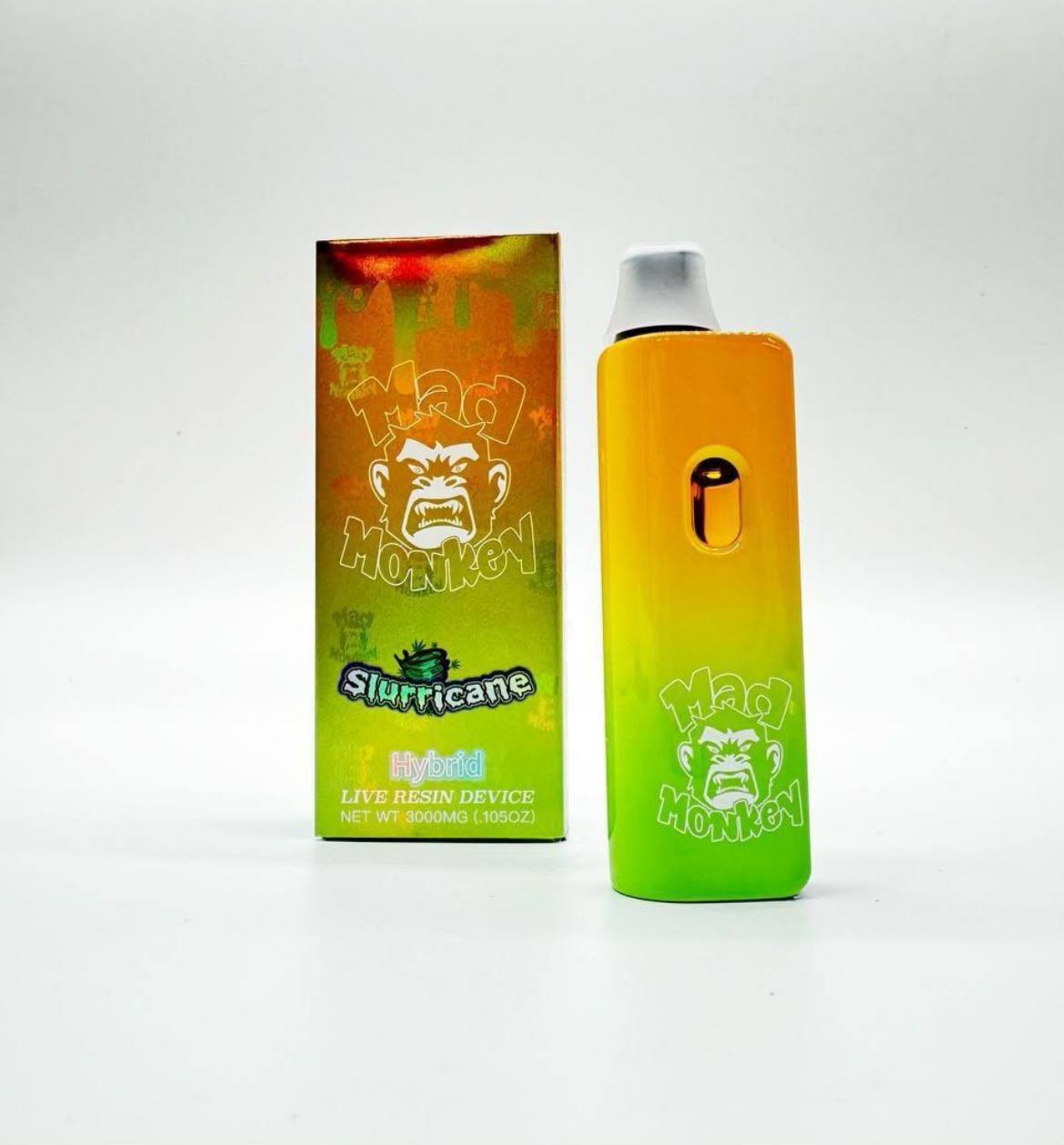
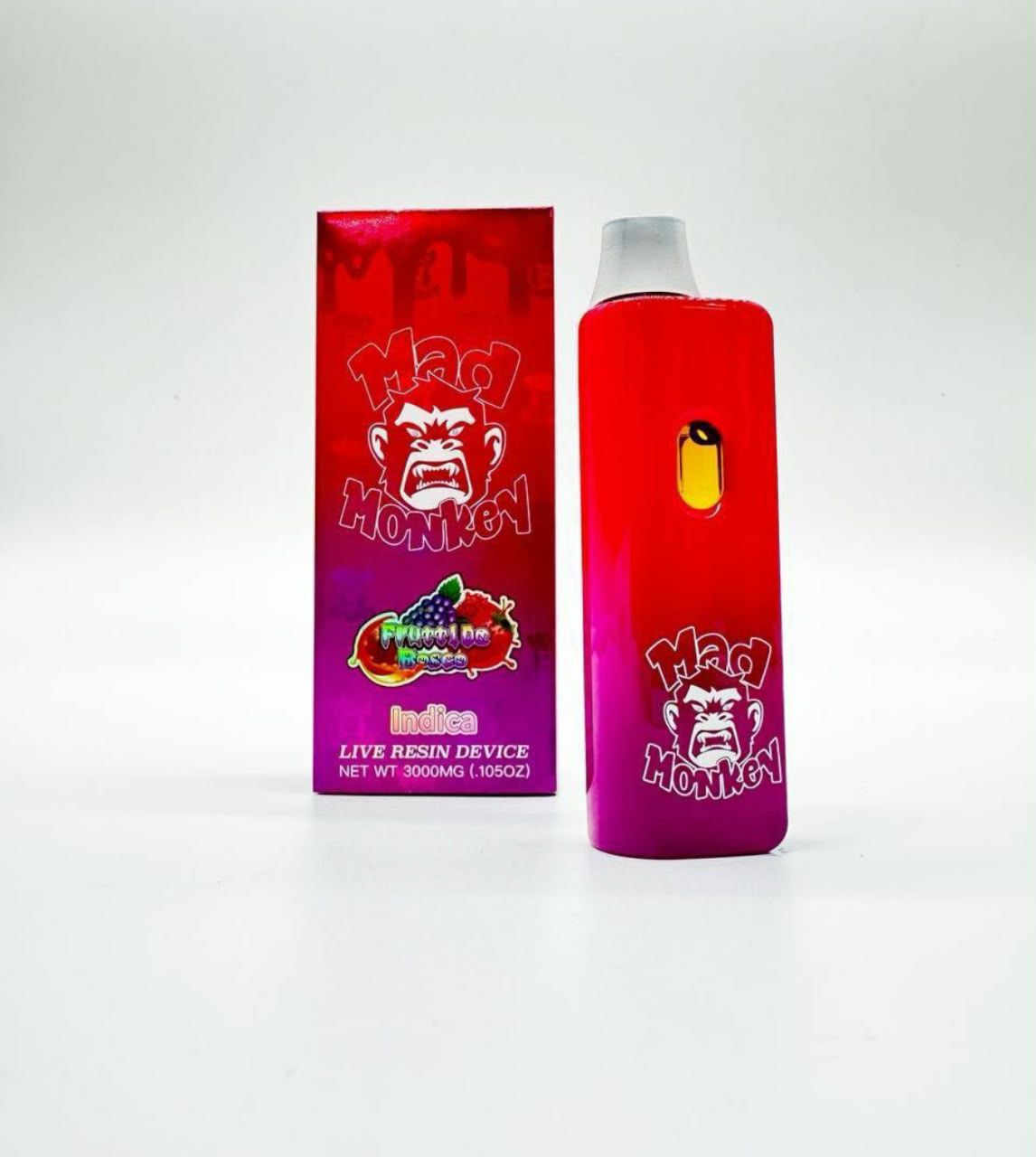



Mad Monkey 3G Disposable
Introduction
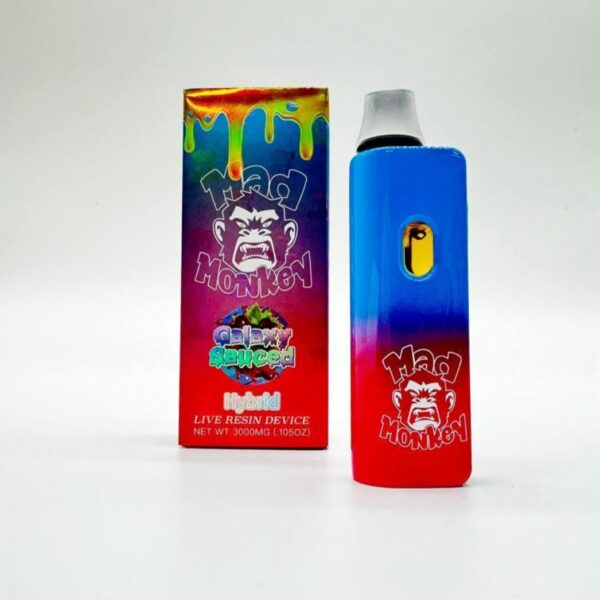
The Mad Monkey 3G Disposable is a compact electronic vaporizer designed as an integrated, single-unit device. Unlike refillable vaporizer systems, disposable models combine the battery, heating assembly, liquid reservoir, airflow pathway, and mouthpiece into one sealed enclosure. This integrated construction reduces the number of separate parts while providing a straightforward product design.
Disposable electronic vaporizers have become a common category of portable electronic devices. Their self-contained structure eliminates the need for replacing coils, refilling reservoirs, or assembling multiple components. As a result, the device functions as a complete unit throughout its intended service life.
This guide provides objective information about the general design and operation of the Mad Monkey 3G Disposable. It focuses on engineering concepts, construction, materials, battery technology, storage, safety, and environmental considerations rather than promotional claims. Individual specifications may differ between manufacturers or production batches, so readers should consult the accompanying product documentation whenever available.

Product Overview
The Mad Monkey 3G Disposable integrates several electronic and mechanical systems into a compact housing. These systems generally include:
- Integrated battery
- Heating element
- Internal reservoir
- Airflow pathway
- Electronic control circuitry
- Exterior housing
- Mouthpiece
Each component contributes to the operation of the device. Since the unit is factory assembled, internal components are not generally intended for replacement or user maintenance.
The compact configuration also minimizes the need for additional accessories. Consequently, the device remains portable while maintaining structural simplicity.
Device Construction
The housing protects the internal electronics and supports the positioning of major components. Inside the enclosure, the battery supplies electrical energy to the heating system, while electronic circuitry manages power delivery and activation. The reservoir stores the internal liquid formulation, and airflow channels direct incoming air through the heating chamber before it exits through the mouthpiece.
Although manufacturing techniques differ among producers, the underlying engineering principles remain broadly consistent across many disposable vaporizer devices.
Exterior Housing
The exterior enclosure performs several important functions.
It provides structural support for the battery and internal components.
It protects electronic circuitry during routine handling.
It also helps organize airflow through designated intake openings.
Manufacturers commonly construct housings using lightweight materials such as aluminum alloys, engineered plastics, or composite materials. Rounded edges and smooth finishes improve handling while reducing unnecessary wear during transportation.
Battery System
Many disposable electronic devices use lithium-ion batteries because they provide relatively high energy storage in compact dimensions. The battery powers the heating assembly and electronic controller throughout the operational life of the device.
Some disposable models incorporate rechargeable batteries, while others are designed without charging capability. When rechargeable functionality is available, charging is generally managed by integrated battery-management circuitry that monitors voltage and current during charging cycles.
Battery capacity gradually declines through normal aging and repeated charge cycles. Environmental conditions, particularly prolonged exposure to excessive heat, may also influence battery performance.
Heating Technology
The heating assembly converts electrical energy into heat. During operation, the heated surface vaporizes the liquid supplied from the internal reservoir.
Disposable vaporizer devices may incorporate one of several heating technologies, including:
- Mesh heating elements
- Ceramic heating systems
- Conventional resistance coils
Each technology represents a different engineering approach to heat transfer and thermal management. The specific heating method depends on the manufacturer’s design.
Airflow Design
Airflow influences how air moves through the device during operation.
Fresh air enters through intake openings before reaching the heating chamber. Following aerosol generation, internal channels direct the airflow toward the mouthpiece.
Engineers generally balance airflow resistance with efficient air movement when designing disposable devices. Obstructions such as lint or debris around airflow openings may affect normal airflow characteristics.
Materials and Manufacturing
Disposable electronic devices combine several materials selected for structural, electrical, and thermal performance. Common materials include aluminum, stainless steel, polycarbonate, ABS plastic, silicone seals, and copper conductors.
Production typically involves automated assembly processes followed by quality inspections. These inspections may include electrical testing, airflow verification, battery checks, housing inspection, and evaluation of charging functionality for rechargeable models.
Storage Recommendations
Appropriate storage conditions contribute to maintaining the condition of electronic devices.
General recommendations include:
- Store in a cool, dry environment.
- Protect the device from prolonged direct sunlight.
- Avoid excessive humidity.
- Minimize exposure to heavy impacts.
- Keep the device away from extreme temperatures.
Moderate storage conditions support battery stability and help preserve the integrity of internal components.
Safety Considerations
Because disposable devices contain integrated lithium-ion batteries, they should be handled with appropriate care. The housing should not be punctured, crushed, or exposed to open flames. If the device becomes visibly damaged or unusually hot, it should no longer be used.
For rechargeable models, charging should take place with compatible equipment on a stable, nonflammable surface. Damaged charging cables should be replaced rather than used.
Environmental Responsibility
At the end of its service life, the device should be disposed of according to local regulations for electronic waste where applicable. Many recycling programs accept products containing lithium-ion batteries, allowing materials such as metals and plastics to be recovered.
Responsible disposal helps reduce landfill waste and supports the recovery of recyclable resources.
Mad Monkey 3G Disposable: Neutral Informational Product Guide
The Mad Monkey 3G Disposable is an integrated electronic vaporizer device designed around a compact, self-contained structure. Unlike reusable systems that rely on separate tanks, replaceable coils, and refillable components, disposable devices combine the primary operating elements into a single enclosed unit. The battery, heating system, reservoir, airflow pathway, and control electronics are assembled together during manufacturing.
The development of integrated electronic devices has increased the availability of compact products that require fewer separate components. Consequently, disposable designs have become a recognizable category within the broader electronic device market. Their construction focuses on combining multiple functions into one portable enclosure while maintaining a simplified internal layout.
This informational guide examines the general engineering principles associated with the Mad Monkey 3G Disposable. The discussion focuses on construction, components, electronic systems, materials, storage considerations, safety factors, and environmental responsibilities. Because specific technical details may differ between production batches or regional versions, official product documentation should be consulted for exact specifications.

Product Structure Overview
A disposable electronic device is composed of several interconnected systems that operate together. The main structural elements typically include:
- Outer protective housing
- Integrated battery system
- Electronic control board
- Heating assembly
- Internal reservoir
- Airflow channels
- Mouthpiece
Each component has a specific role within the overall design. The housing provides physical protection, while the electronic systems manage power delivery and activation. The heating assembly converts electrical energy into heat, and the airflow system guides air through the internal pathway.
Since the device is manufactured as a complete unit, internal components are generally not designed for user replacement or modification.
Exterior Housing Design
The exterior housing provides structural support and protects internal components from routine environmental exposure. Materials used in electronic device housings are selected based on factors such as weight, durability, manufacturing efficiency, and resistance to everyday handling.
Common housing materials in compact electronic products include:
- Aluminum alloys
- Engineered plastics
- Polycarbonate materials
- Composite polymers
The enclosure also contributes to the overall arrangement of internal components. During manufacturing, the battery, electronics, and airflow channels are positioned within the housing to maintain proper alignment.
Additionally, the exterior surface may include design elements intended to improve grip and reduce accidental slipping during handling.
Internal Electronic Components
The internal electronics are responsible for controlling the interaction between the battery and heating system.
A typical disposable electronic device contains:
Control Circuitry
The control board regulates electrical energy delivered from the battery. It manages activation signals and coordinates power output according to programmed settings.
Battery System
The battery supplies the energy required for electronic operation. Many compact devices utilize lithium-ion battery technology because it provides substantial energy storage within a small physical size.
Sensor System
Some disposable devices use airflow sensors to detect activation. When airflow is detected, the sensor communicates with the control circuitry, allowing electrical energy to be delivered to the heating element.
Battery Technology
Battery design plays an important role in portable electronic devices. Lithium-ion batteries are widely used because of their combination of energy density, compact dimensions, and rechargeable capabilities in applicable models.
Battery management systems may monitor:
- Voltage levels
- Current flow
- Charging conditions
- Temperature changes
These systems are designed to support stable operation and protect electronic components from abnormal electrical conditions.
Battery performance can change over time due to normal chemical aging. Environmental factors, including prolonged exposure to extreme temperatures, may also influence battery efficiency.
Heating System
The heating assembly is responsible for converting electrical energy into thermal energy.
Different disposable devices may use different heating approaches, including:
Mesh Heating Systems
Mesh structures provide a broad heating surface. Their design allows heat to be distributed across multiple points within the heating area.
Ceramic Heating Components
Ceramic materials are often selected because of their thermal stability and durability.
Resistance Coil Systems
Traditional resistance coils operate by creating heat through electrical resistance. This technology has been used in many electronic heating applications.
The specific heating method depends on the manufacturer’s engineering decisions and production standards.
Airflow Engineering
Airflow design affects how air moves through an electronic vaporizer device.
The airflow pathway generally includes:
- External intake openings
- Internal air channels
- Heating chamber
- Mouthpiece outlet
Engineers consider several factors when designing airflow systems, including internal space limitations, resistance, and component positioning.
Because the airflow pathway is integrated into the device structure, internal modifications are generally not practical.

Materials and Manufacturing Process
The production of an integrated electronic device involves multiple manufacturing stages.
These stages may include:
- Component manufacturing
- Electronic assembly
- Battery installation
- Housing construction
- Quality inspection
- Packaging
Material selection is based on functional requirements. Conductive materials are used for electrical connections, insulating materials protect electronic components, and structural materials provide external support.
Automated production systems are commonly used because they allow consistent assembly across large production volumes.
Quality Control Procedures
Quality assurance processes help identify manufacturing issues before products are distributed.
Possible inspection areas include:
- Electrical connections
- Battery function
- Housing assembly
- Airflow pathways
- Charging systems where applicable
- Exterior condition
Manufacturers may also use batch identification systems to track production information and support quality management.
Storage Considerations
Proper storage helps maintain the condition of electronic devices.
General storage factors include:
Temperature
Extreme temperatures may affect battery performance. Moderate indoor conditions are generally considered suitable for storing portable electronics.
Humidity
Excessive moisture may affect electronic components. Keeping devices in dry environments helps reduce exposure to potential moisture-related issues.
Physical Protection
Avoiding excessive pressure or impact helps protect internal components from damage.
Battery Safety Information
Devices containing lithium-ion batteries require responsible handling.
General battery safety considerations include:
- Avoid physical damage to the housing.
- Prevent exposure to excessive heat.
- Do not attempt to remove internal batteries.
- Avoid contact with water or other liquids.
- Follow local electronic waste guidelines.
These recommendations apply broadly to many portable electronic devices.
Environmental Considerations
Electronic devices contain materials that may be recyclable, including metals, plastics, and battery components.
Responsible disposal practices help reduce environmental impact. Many regions operate electronic waste recycling programs that collect products containing batteries and electronic circuits.
Recycling supports the recovery of usable materials while reducing the amount of electronic waste sent to traditional landfill systems.
Device Lifecycle
The lifecycle of an integrated electronic product includes several stages:
- Material sourcing
- Component manufacturing
- Assembly
- Distribution
- Product use
- End-of-life management
Each stage involves different environmental and manufacturing considerations.
At the end of its intended service period, responsible disposal becomes an important part of managing the complete product lifecycle.
Frequently Asked Questions
What type of device is the Mad Monkey 3G Disposable?
It is an integrated electronic vaporizer device designed with multiple internal components combined into one sealed structure.
Are disposable devices designed for internal repairs?
Generally, disposable electronic devices are not designed for user repairs because the internal components are factory assembled.
Why are lithium-ion batteries commonly used?
Lithium-ion batteries provide high energy storage while maintaining relatively compact dimensions, making them suitable for portable electronics.
Does temperature affect electronic devices?
Yes. Temperature conditions may influence battery efficiency and electronic performance.
How should electronic devices be disposed of?
Disposal should follow local electronic waste regulations, especially when integrated batteries are involved.

Conclusion
The Mad Monkey 3G Disposable represents an example of an integrated electronic device where multiple systems are combined within a compact enclosure. Its design incorporates battery technology, electronic controls, heating components, airflow engineering, and protective housing into a single manufactured unit.
Understanding the construction and operation of such devices provides useful insight into modern portable electronics. Proper storage, careful handling, battery awareness, and responsible disposal practices all contribute to better management of electronic products throughout their lifecycle.
While exact specifications may vary depending on manufacturing details and regional versions, the general engineering concepts discussed in this guide apply broadly to many self-contained electronic devices.











Reviews
There are no reviews yet.