




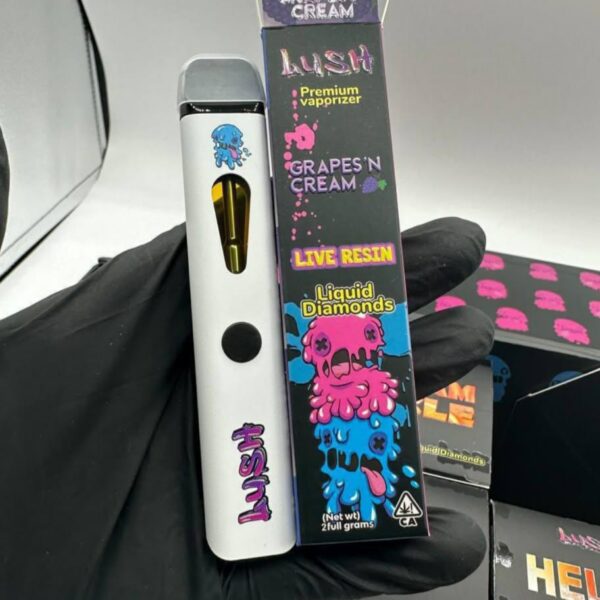

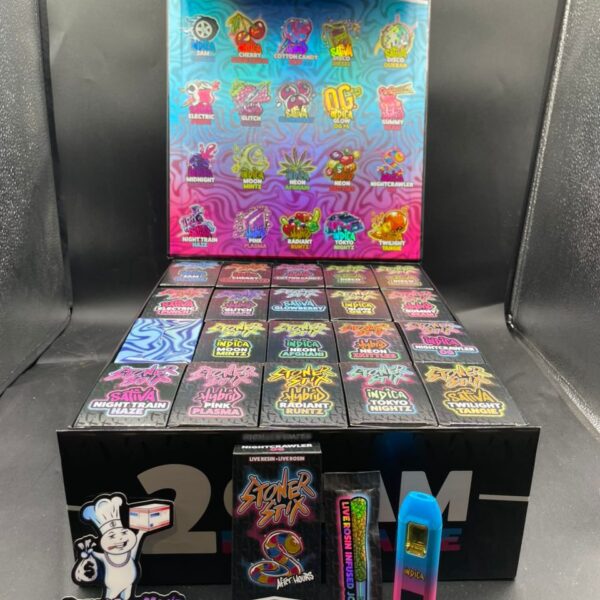
Crumpets 2G Disposable
Introduction
The Crumpets 2G Disposable is an example of a modern all-in-one electronic vaporization device designed with an integrated structure that combines multiple internal components into a single portable unit. Disposable vaporizers within this category are generally manufactured with a built-in reservoir, heating system, airflow pathway, and battery enclosed inside a compact housing.
The purpose of this overview is to provide factual information about the general design, components, operating principles, storage considerations, and safety aspects associated with a 2G disposable vaporizer format. Product specifications, materials, and features may vary depending on the manufacturer, production batch, and regional requirements.
Rather than focusing on promotional claims, this guide explains how disposable vaporization technology functions and highlights important considerations related to responsible handling, electronic safety, and proper disposal.

Understanding the 2G Disposable Format
The term “2G disposable” generally refers to a disposable vaporizer that contains a reservoir with a nominal capacity of approximately two grams of formulation. This measurement typically describes the internal capacity of the device rather than the size, weight, or battery capacity.
Disposable devices are manufactured as self-contained systems. Unlike refillable electronic devices, they are not designed for routine replacement of internal components. The reservoir, heating element, and electronics are assembled together during production.
This integrated approach allows manufacturers to create compact devices with fewer external parts. As a result, users typically do not need separate tanks, coils, or additional accessories.
Main Components of a Disposable Vaporizer
Outer Shell and Housing
The external housing provides protection for the internal components. It is designed to maintain the structure of the device while supporting portability.
The housing commonly includes:
- A protective outer casing
- Internal support structures
- Airflow openings
- Charging access on rechargeable versions
- Connection points for internal electronics
Materials used for the outer shell may vary. Manufacturers may select materials based on durability, weight, manufacturing requirements, and design considerations.
Internal Reservoir System
The reservoir is the section of the device where the formulation is stored before vaporization.
In disposable designs, the reservoir is sealed during manufacturing. This sealed structure helps maintain internal conditions and reduces exposure to external contaminants.
Because disposable reservoirs are integrated into the device, replacement or refilling is generally not part of the intended design.
Heating Technology
The heating element is one of the most important internal components of a vaporization device.
Its primary function is converting electrical energy from the battery into controlled heat. When activated, the heating element warms the material inside the reservoir, allowing vapor to pass through the internal airflow pathway.
Different manufacturers may use different heating technologies, including variations in:
- Coil design
- Heating materials
- Ceramic components
- Temperature control systems
The exact technology depends on the specific device design.
Battery System
The battery provides the electrical power required for operation.
Disposable devices may include either:
- A non-rechargeable battery system
- A rechargeable battery system
Rechargeable models typically include a charging connection that allows the battery to receive additional power during the device’s intended lifespan.
Battery performance may be affected by factors such as:
- Storage temperature
- Charging conditions
- Device age
- Usage patterns
Proper handling helps maintain electronic component reliability.
Airflow System
The airflow pathway directs air through the internal system and toward the mouthpiece.
Many disposable vaporizers use an automatic activation system that detects airflow. When airflow is detected, the electronic system activates the heating element.
Once airflow stops, the heating system is generally deactivated.
This design allows the device to operate without complex external controls.
How the Device Functions
A disposable vaporizer generally operates through a sequence of electronic and mechanical processes.
First, airflow activates the internal sensor. Next, electrical power is delivered from the battery to the heating element. The heating element then produces controlled heat, allowing vapor to move through the internal pathway.
Finally, the vapor travels through the mouthpiece area.
Although the process is simple from the user’s perspective, several internal components work together to create the operating cycle.
Design Characteristics
Disposable vaporizers are commonly recognized for several structural characteristics.
Integrated Construction
The entire system is contained within one unit. This reduces the number of separate components required.
Portable Form
The compact design allows the device to be stored and transported more easily compared with larger electronic systems.
Limited Maintenance Requirements
Because disposable devices are assembled as complete units, they generally require less routine maintenance than reusable devices.
Factory Assembly
Internal parts are installed during manufacturing, helping ensure consistency between production units.
Storage and Handling Considerations
Proper storage is important for maintaining the condition of electronic devices.
General storage considerations include:
- Keeping the device in a dry environment
- Avoiding excessive heat exposure
- Protecting the device from physical damage
- Preventing contact with liquids
- Avoiding prolonged direct sunlight
Extreme environmental conditions may affect electronic performance and battery condition.
Battery Safety Information
Electronic devices containing lithium-based batteries should be handled carefully.
Important safety considerations include:
- Avoiding damaged devices
- Using compatible charging equipment when applicable
- Preventing exposure to extreme temperatures
- Avoiding physical impact
- Following manufacturer guidance
If a device appears damaged or shows unusual behavior, it should not be used.
Cleaning and Exterior Care
Disposable devices generally do not require internal cleaning because their components are sealed.
Exterior care may include:
- Keeping the mouthpiece area clean
- Removing surface dust
- Storing the device properly
- Avoiding contact with liquids
Internal disassembly is generally not recommended because it may damage the device structure.
Product Packaging Information
Packaging information varies depending on the manufacturer and region.
A package may include:
- One disposable vaporizer unit
- Product labeling
- Safety information
- Manufacturing information
- Instructions or documentation
The exact contents should be verified through official product materials.
Electronic Waste and Disposal
Disposable electronic devices contain materials that require responsible disposal.
Components such as batteries and electronic circuits should be handled according to local electronic waste guidelines.
Where recycling programs are available, electronic recycling options may help reduce environmental impact by allowing certain materials to be recovered.
Improper disposal of electronic devices may contribute to unnecessary waste.
Crumpets 2G Disposable
The Crumpets 2G Disposable is a portable electronic vaporizer designed as an integrated, single-use device. Unlike refillable electronic vaporizer systems that consist of multiple replaceable components, disposable devices combine the battery, heating assembly, liquid reservoir, airflow pathway, mouthpiece, and electronic circuitry into one sealed housing. This integrated approach simplifies construction and reduces the number of external components that require handling.
Advances in battery technology, electronic miniaturization, and automated manufacturing have made it possible to produce compact electronic devices capable of housing several interconnected systems within a relatively small enclosure. The Crumpets 2G Disposable reflects this general engineering approach by integrating essential electronic and mechanical components into a single factory-assembled unit.
This guide explains the engineering principles commonly associated with this type of device. Topics include structural design, electronic systems, battery technology, airflow management, manufacturing processes, storage recommendations, safety considerations, environmental responsibilities, and product lifecycle information. Since technical specifications may differ among manufacturers and production batches, users should consult the accompanying documentation for product-specific details.

Product Overview
Integrated disposable electronic vaporizers contain multiple systems that operate together throughout the intended service life of the product.
Typical components include:
- Integrated lithium-ion battery
- Electronic control board
- Heating assembly
- Internal reservoir
- Airflow channels
- Mouthpiece
- Exterior housing
These systems are assembled during manufacturing and enclosed within a sealed structure. Consequently, internal components are generally not intended for replacement or servicing after production.
The compact construction allows the various electronic and mechanical systems to function together while maintaining a lightweight overall design.
Device Architecture
Efficient use of internal space is an important objective in compact electronic products. Engineers position the battery, circuit board, airflow pathway, and heating assembly according to structural, electrical, and thermal requirements.
The battery supplies electrical energy to the electronic controller. The controller regulates power delivery to the heating assembly while monitoring operating conditions. The reservoir stores the internal liquid formulation, and airflow channels direct incoming air through the heating chamber before it exits through the mouthpiece.
Internal supports help maintain the alignment of these components throughout the operational life of the device.
Exterior Housing
The exterior housing performs several important functions.
It provides structural protection for internal electronics while also supporting the arrangement of internal assemblies. Housing materials are selected according to durability, weight, manufacturing efficiency, and compatibility with electronic components.
Materials commonly used in portable electronic housings include:
- Aluminum alloys
- Polycarbonate
- ABS plastic
- Composite polymers
Exterior surfaces may feature rounded edges and textured finishes that improve handling while protecting internal assemblies during routine transportation.
Battery Technology
Portable electronic devices commonly utilize lithium-ion batteries because they provide relatively high energy density while maintaining compact physical dimensions.
Battery management systems monitor operating conditions that may include:
- Battery voltage
- Electrical current
- Charging conditions for rechargeable versions
- Protective electronic functions
Battery capacity naturally changes over time because rechargeable lithium-ion cells gradually lose available capacity through normal aging and repeated charging cycles.
Environmental conditions, including prolonged exposure to excessive heat, may also influence battery performance.
Heating Assembly
The heating assembly converts electrical energy into thermal energy.
Different engineering approaches may include:
Mesh Heating Elements
Mesh heating systems distribute heat across a broad surface area, allowing thermal energy to spread across multiple contact points.
Ceramic Heating Systems
Ceramic materials are frequently selected because of their thermal stability and durability under repeated heating cycles.
Resistance Coil Heating
Resistance wire heating remains widely used throughout many compact electronic products due to its established manufacturing methods and predictable electrical characteristics.
The specific heating technology incorporated into an individual device depends on manufacturing specifications.
Airflow Engineering
The airflow system directs air through internal passages before it exits through the mouthpiece.
The airflow pathway generally consists of:
- Air intake openings
- Internal airflow channels
- Heating chamber
- Mouthpiece outlet
Engineers evaluate airflow characteristics during product development to balance airflow resistance with efficient movement through the device.
Keeping external intake openings clear of visible debris helps maintain unobstructed airflow under normal conditions.
Electronic Control Systems
The electronic controller coordinates interaction between the battery, activation mechanism, and heating assembly.
Depending on the product design, the controller may regulate:
- Power delivery
- Activation timing
- Battery monitoring
- Protective electrical functions
Many integrated devices use airflow detection rather than mechanical buttons for activation. When airflow is detected, the controller supplies electrical power according to its programmed operating parameters.
Manufacturing Process
Production of integrated electronic devices generally involves multiple manufacturing stages.
These stages often include:
- Electronic component fabrication
- Circuit board assembly
- Battery installation
- Heating assembly integration
- Reservoir installation
- Housing assembly
- Functional inspection
- Packaging
Automation supports consistent manufacturing quality while reducing variation between production units.

Quality Assurance
Manufacturers commonly perform inspection procedures before products are packaged.
Quality evaluations may include:
- Electrical continuity testing
- Battery verification
- Housing alignment inspection
- Airflow evaluation
- Exterior finish inspection
- Functional testing
- Charging verification for rechargeable versions
Batch identification systems help support manufacturing traceability by connecting finished products with production records.
Storage Recommendations
Appropriate storage conditions help preserve portable electronic devices.
General recommendations include:
- Store in a cool, dry environment.
- Avoid prolonged exposure to direct sunlight.
- Protect from excessive humidity.
- Prevent significant physical impacts.
- Keep away from excessive heat sources.
These practices help maintain battery condition and protect electronic components.
Safety Considerations
Portable electronic devices containing lithium-ion batteries should be handled responsibly.
General safety recommendations include:
- Avoid puncturing or crushing the housing.
- Keep away from open flames.
- Prevent prolonged exposure to excessive heat.
- Protect the device from water.
- Follow local regulations for electronic waste disposal.
Rechargeable models should be charged using compatible charging equipment whenever applicable.
Environmental Responsibility
Integrated electronic devices contain batteries, electronic circuits, plastics, and metals that may be recovered through electronic waste recycling programs.
Responsible recycling supports resource conservation while reducing landfill waste. Users should consult local regulations regarding battery recycling and electronic waste collection.
Product Lifecycle
The lifecycle of an integrated electronic device generally includes:
- Material sourcing
- Component manufacturing
- Product assembly
- Inspection and testing
- Distribution
- Operational use
- End-of-life recycling or disposal
Understanding this lifecycle provides useful context for how portable electronic products are produced and responsibly managed.
Frequently Asked Questions
What battery technology is commonly used?
Many portable electronic devices incorporate lithium-ion batteries because of their energy density and compact size.
Can internal components be repaired?
Integrated disposable devices are generally manufactured as sealed products and are not designed for routine internal repairs.
Why is proper storage important?
Appropriate storage conditions help preserve battery performance and reduce unnecessary environmental stress on electronic components.
Can the device be recycled?
Many communities provide electronic waste recycling programs for products containing batteries and electronic circuitry. Local regulations should be followed whenever possible.












Reviews
There are no reviews yet.