


Grimas 2G Disposable: An Informational Overview of the Device and Its Technology
Introduction
The Grimas 2G Disposable is part of a category of compact, single-unit vaporization devices designed for convenience and portability. Disposable devices combine a rechargeable battery, heating element, reservoir, and mouthpiece into a single enclosed unit. Because all essential components are integrated, these devices are intended to operate without assembly or replacement parts.
Over the past several years, disposable vaporization technology has evolved significantly. Improvements in battery efficiency, heating consistency, airflow engineering, and leak-resistant construction have contributed to more reliable device performance across many applications. As a result, manufacturers continue to refine internal hardware while maintaining compact designs that are easy to transport and store.
This article provides a neutral overview of the Grimas 2G Disposable as a hardware platform. It explains the technology commonly found in disposable vaporization devices, discusses construction and design considerations, outlines battery and heating systems, and highlights responsible storage, safety, and disposal practices. Rather than promoting a specific product or encouraging its use, the focus remains on understanding how this type of device is designed and how its components function.

Device Design
Disposable vaporization devices are engineered to balance portability with functionality. A typical Grimas 2G Disposable incorporates several integrated components that work together inside a sealed housing. These generally include a rechargeable battery, an atomizer or heating element, a liquid reservoir, an airflow pathway, and a mouthpiece.
Manufacturers often use lightweight metal alloys combined with durable polymer materials to create an exterior shell capable of protecting internal electronics from minor impacts during everyday handling. Rounded edges and compact dimensions contribute to comfortable handling while also making the device easier to carry.
The enclosed design also minimizes exposure of internal components to dust and debris. By keeping the reservoir, battery, and heating system inside a sealed body, manufacturers reduce the number of moving parts that could become damaged during routine transportation.
Internal Components
Although disposable devices appear simple from the outside, their internal construction involves several interconnected systems.
The rechargeable battery supplies electrical power to the heating element.
The heating element converts electrical energy into heat.
The reservoir stores the formulated material intended for vaporization.
Airflow channels guide inhaled air through the heating chamber.
Electronic circuitry regulates power delivery and may include several protective functions.
These components are carefully positioned to maximize space efficiency while maintaining reliable airflow throughout the device.
Battery Technology
Modern disposable devices frequently use rechargeable lithium-ion batteries because they offer relatively high energy density within a compact form factor. Battery capacity varies among manufacturers and models depending on intended operating characteristics and overall device dimensions.
Many devices now include USB-C charging ports, reflecting broader adoption of standardized charging technology across consumer electronics. USB-C connectors generally provide improved durability compared with earlier connector formats while simplifying compatibility with widely available charging accessories.
Battery management circuitry commonly performs several protective functions, including:
- Overcharge protection
- Over-discharge protection
- Short-circuit protection
- Temperature monitoring
- Controlled power regulation
These protective features are designed to help maintain consistent device operation while reducing the likelihood of battery-related malfunctions.
Heating System
The heating element is one of the most important components within a disposable vaporization device. It converts electrical energy into thermal energy capable of vaporizing material contained within the reservoir.
Several heating technologies are used across the industry, including ceramic-based heating elements and metallic coil systems. Ceramic heating components have become increasingly common because they distribute heat across a broader surface area, while metallic coil systems continue to be used in numerous device designs.
The heating assembly typically works together with an absorbent material that transfers liquid toward the heated surface through capillary action. This continuous movement helps maintain contact between the material and the heating element during operation.
Temperature consistency remains an important engineering objective because uneven heating may influence vapor production and overall device efficiency.
Airflow Engineering
Airflow design plays an important role in the overall function of a disposable vaporization device. Although the external appearance of many disposable units is compact and uncomplicated, the internal airflow pathway is typically engineered to allow air to move efficiently through the device while protecting internal components.
When air enters through designated intake openings, it travels through carefully designed channels before passing the heating chamber and exiting through the mouthpiece. Manufacturers generally aim to create an airflow path that reduces unnecessary resistance while maintaining consistent movement throughout the device. Proper airflow can also contribute to even operation of the heating element by allowing vapor to move away from the chamber efficiently, Grimas 2G Disposable , Grimas 2G Disposable , Grimas 2G Disposable , Grimas 2G Disposable , Grimas 2G Disposable.
Engineers often evaluate airflow during product development using computer simulations and repeated prototype testing. Small adjustments to intake size, chamber geometry, or internal channel placement may influence how air circulates within the device. These refinements help improve consistency while reducing the likelihood of condensation accumulating inside the housing.
Modern disposable devices commonly use concealed air inlets that preserve a clean exterior appearance while allowing adequate ventilation. Some designs position these openings near the base of the device, whereas others integrate them into side panels or recessed sections of the housing. Regardless of placement, the objective remains the same: to maintain a reliable pathway for air movement without exposing sensitive components to unnecessary contaminants.
Reservoir Design
The internal reservoir stores the material intended for vaporization. Depending on the manufacturer and device architecture, reservoirs may be formed from food-grade polymers, engineered plastics, or other compatible materials selected for chemical stability and durability.
A well-designed reservoir should maintain structural integrity during transportation and everyday handling. Manufacturers often test reservoir materials under different environmental conditions to evaluate resistance to expansion, contraction, and potential leakage.
The reservoir also works together with the device’s wicking system. Rather than delivering material directly to the heating element, the reservoir gradually supplies the wick through capillary action. This controlled movement helps maintain consistent contact between the stored material and the heating surface.
Reservoir capacity varies among disposable devices, reflecting different design priorities and product categories. Engineers consider available internal space, battery size, airflow layout, and overall device dimensions when determining reservoir volume.
To reduce leakage, many manufacturers incorporate precision seals around critical connection points. These seals are intended to help contain the contents of the reservoir while protecting adjacent electronic components.
Wicking Technology
The wicking system serves as the link between the reservoir and the heating element. Its primary function is to transport material toward the heating surface in a controlled and consistent manner.
Several wick materials are used throughout the vaporization industry. Cotton remains common because of its absorbent properties, while ceramic-based porous structures have become increasingly popular in newer device designs. Some manufacturers also explore blended materials that combine durability with efficient liquid transport.
Capillary action allows the wick to draw material from the reservoir naturally without requiring mechanical pumps or moving parts. This passive transport system contributes to the simplicity of disposable device construction while supporting reliable operation, Grimas 2G Disposable , Grimas 2G Disposable , Grimas 2G Disposable , Grimas 2G Disposable , Grimas 2G Disposable.
Engineers carefully balance wick density and porosity during development. A wick that transports material too slowly may not replenish the heating surface efficiently, while one that transfers material too rapidly could influence heating consistency. Laboratory testing helps manufacturers evaluate these characteristics under different operating conditions.
Heating Element Construction
Heating elements convert electrical energy into thermal energy through electrical resistance. Although the underlying principle is relatively straightforward, modern heating assemblies incorporate advanced manufacturing techniques intended to improve durability and consistency.
Metal alloys commonly used in heating elements include stainless steel and other resistance materials selected for predictable electrical characteristics. Ceramic heating systems surround or support these conductive materials, creating a larger heating surface that distributes temperature more evenly.
Manufacturers often evaluate heating assemblies through repeated thermal cycling tests. During these evaluations, the heating element undergoes numerous heating and cooling sequences intended to assess structural stability over time.
The objective is not to achieve maximum temperature but rather to promote controlled and repeatable heat generation within the operating parameters established by the manufacturer.

Electronic Control Systems
Although disposable devices appear mechanically simple, many contain compact electronic control boards that perform several automated functions.
These miniature circuit boards regulate electrical power delivered from the battery to the heating element. By controlling current flow, the circuitry helps maintain predictable device operation.
Protective features integrated into these electronic systems may include:
- Over-current monitoring
- Voltage regulation
- Charging management
- Short-circuit detection
- Low-voltage shutdown
- Temperature monitoring
Together, these functions contribute to safe operation under normal conditions. Electronic control systems are typically designed to activate automatically without requiring user adjustment.
As semiconductor technology has advanced, manufacturers have been able to integrate increasingly sophisticated protective functions into very small circuit boards while minimizing power consumption.
Exterior Construction
The external housing provides structural protection for all internal components. Manufacturers generally select materials that balance durability, weight, and manufacturing efficiency.
Aluminum alloys are frequently chosen because they combine corrosion resistance with relatively low weight. Engineered polymers may also be incorporated into certain sections of the housing to improve impact resistance or simplify manufacturing.
Surface finishes vary across different products. Some devices feature anodized metal coatings that improve scratch resistance, while others use textured polymer surfaces that enhance grip during handling.
Rounded edges and compact proportions contribute to ergonomic comfort while reducing sharp contact points that could become damaged during transportation.
Engineers also consider thermal performance when selecting housing materials. Since the heating element generates localized heat during operation, exterior materials should dissipate normal operating temperatures effectively while protecting internal electronics.
Quality Assurance
Before reaching consumers, disposable vaporization devices generally undergo multiple stages of quality evaluation during manufacturing. These procedures are intended to verify that components meet design specifications and function as intended.
Common quality control processes include visual inspections, dimensional measurements, electrical continuity testing, battery verification, leak testing, and airflow assessments. Automated equipment often performs many of these checks, while trained technicians review samples from production batches.
Manufacturers may also conduct environmental testing to assess performance under different temperature and humidity conditions. Such evaluations help identify potential issues related to material stability, sealing performance, or battery operation.
Comprehensive quality assurance programs support manufacturing consistency by identifying defects before products leave the production facility. While specific testing procedures vary among manufacturers, the overall objective is to maintain reliable construction and reduce the likelihood of manufacturing-related issues.
Grimas 2G Disposable
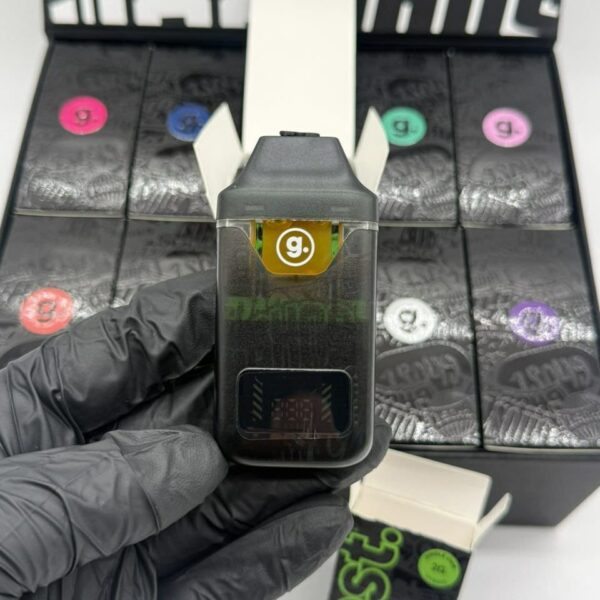
The Grimas 2G Disposable is a single-use vapor device that combines a pre-filled reservoir, an integrated battery, and a heating element within a compact enclosure. The “2G” designation generally refers to the device’s stated capacity as provided by the manufacturer. Product specifications, ingredients, and available configurations may differ depending on the production batch and the jurisdiction where the device is offered.
Disposable vapor devices are designed as self-contained units. Unlike refillable systems, they do not require separate tanks or cartridges during normal operation. The integrated construction simplifies storage, transportation, and handling while reducing the number of individual components.
Product Design
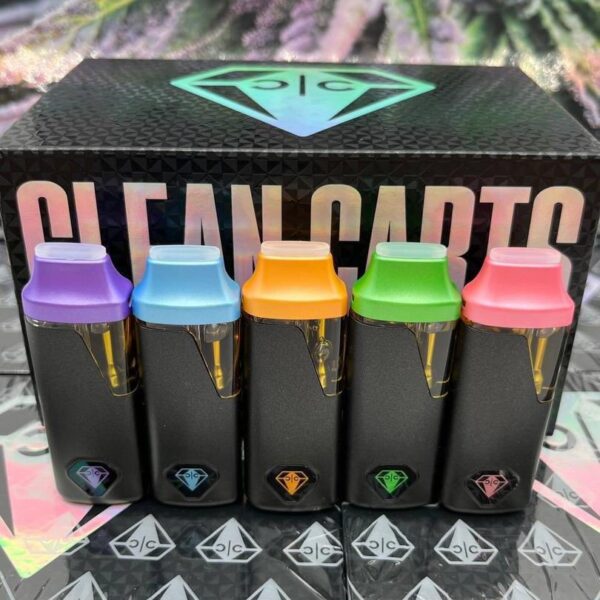
The device typically consists of several integrated parts that work together as a single system:
- External housing
- Internal reservoir
- Heating element
- Airflow pathway
- Rechargeable or non-rechargeable battery, depending on the model
- Mouthpiece
The outer casing protects the internal components during transportation and routine handling. Materials, dimensions, and finishes may vary among production versions.
Capacity
The “2G” designation is commonly used by manufacturers to identify the approximate capacity of the product. Actual fill volume and formulation are determined by the manufacturer and should always be verified on the product label.
Construction
Disposable devices are manufactured using enclosed electronic assemblies. Depending on the production process, components are assembled, tested, and sealed before packaging. Manufacturers may perform quality-control procedures such as battery inspection, leak testing, and labeling verification to help ensure product consistency.
Packaging
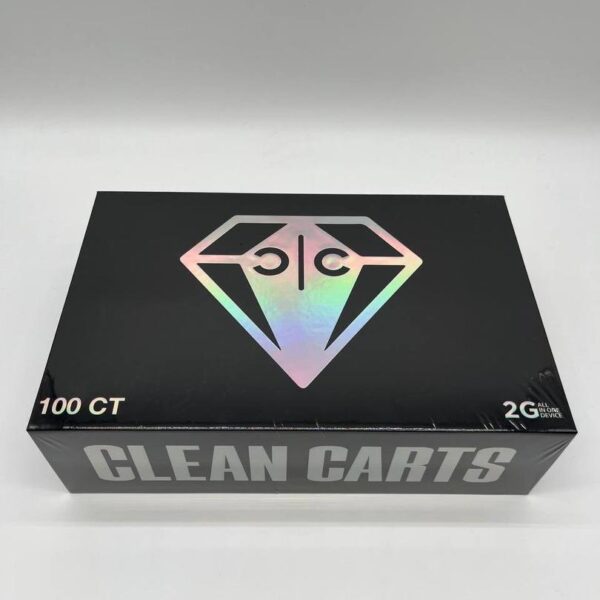
Retail packaging may include:
- Product name
- Brand identification
- Batch or lot number
- Net contents
- Manufacturing or packaging date
- Regulatory warnings
- Storage recommendations
- Laboratory testing information where required by law
The exact information provided depends on local regulations and manufacturer practices.
Storage Recommendations
Manufacturers generally recommend storing electronic vapor devices in a cool, dry location away from excessive heat, moisture, and direct sunlight. Maintaining appropriate storage conditions may help preserve the physical integrity of both the packaging and the device, Grimas 2G Disposable , Grimas 2G Disposable , Grimas 2G Disposable , Grimas 2G Disposable , Grimas 2G Disposable.
Products should remain sealed until use and be stored securely in accordance with applicable laws.
Regulatory Information
Regulations governing vapor devices and cannabis products differ widely between jurisdictions. Manufacturing, distribution, possession, and sale are subject to local laws and licensing requirements. Consumers should review applicable regulations before purchasing or possessing regulated products.
Environmental Considerations
Disposable vapor devices contain electronic components and batteries that require responsible disposal. Local electronic waste or battery recycling programs may provide appropriate disposal options. Proper disposal helps reduce unnecessary environmental impact.
Safety Information
Electronic devices should be handled carefully and kept away from children and pets. Devices that show signs of damage, leakage, or battery failure should not be used. Manufacturer instructions and all applicable legal requirements should be followed throughout the product’s lifecycle.
Materials and Component Integration
Disposable vapor devices are manufactured as integrated systems in which the primary electronic and mechanical components are assembled within a sealed housing. The exterior enclosure protects the internal reservoir, heating element, battery, and airflow channel during transportation and normal handling. Depending on the manufacturing process, the housing may be produced from lightweight metals, durable polymers, or a combination of both materials. Surface finishes, dimensions, and external markings vary between production batches and manufacturers, Grimas 2G Disposable , Grimas 2G Disposable , Grimas 2G Disposable , Grimas 2G Disposable, Grimas 2G Disposable.
The mouthpiece is designed to provide access to the airflow pathway while helping reduce contact with internal components. Internal seals are commonly incorporated to assist with product integrity during storage and distribution. Assembly methods differ according to manufacturing standards and regional requirements.
Manufacturing Process
Commercial production of disposable vapor devices typically follows a sequence of standardized manufacturing steps. Individual components are produced separately before final assembly. Batteries, heating elements, reservoirs, and housings are inspected before integration into the finished device.
Following assembly, manufacturers may perform quality assurance procedures such as visual inspection, electrical testing, leak detection, and verification of labeling accuracy. The scope of these procedures varies depending on company standards and regulatory requirements.
Once inspection is complete, products are packaged for shipment using retail packaging designed to protect the device during transportation and storage.
Packaging Features
Retail packaging serves both protective and informational purposes. In many jurisdictions, packaging includes mandatory regulatory information in addition to product identification. Depending on local requirements, labels may contain:
- Manufacturer or distributor information
- Batch or lot identification
- Packaging date
- Net contents
- Required health warnings
- Storage recommendations
- Compliance statements
- Barcode or QR code
- Product authentication features where applicable
Child-resistant packaging may also be required in certain legal markets.
Product Identification
Manufacturers often use batch numbers or lot codes to identify production runs. These identifiers support inventory management, quality assurance, and product traceability. Where laboratory testing is required by law, batch identification may correspond to documented testing records maintained by the manufacturer or regulatory authority, Grimas 2G Disposable , Grimas 2G Disposable , Grimas 2G Disposable , Grimas 2G Disposable , Grimas 2G Disposable .
Consumers seeking specific technical information should consult the product packaging and any accompanying documentation supplied by the manufacturer.
Storage and Handling
Appropriate storage conditions may contribute to maintaining the physical condition of electronic vapor devices before use. Manufacturers commonly recommend storing products in environments that are cool, dry, and protected from prolonged exposure to sunlight, excessive heat, or moisture.
Devices should remain in their original packaging until needed. Care should also be taken to avoid puncturing, crushing, or exposing the device to physical damage, as such conditions may affect electronic components or battery integrity.
Transportation Considerations
Transportation regulations for electronic devices and products containing batteries may differ depending on the destination and applicable laws. Commercial shipments are often subject to packaging standards designed to protect electronic components during transit. Additional restrictions may apply when products are transported across regional or international borders.
Environmental Responsibility
Disposable vapor devices contain batteries and electronic components that should be disposed of responsibly. Local recycling programs and electronic waste collection services may provide guidance for appropriate disposal methods. Separating electronic waste from household waste where facilities exist can help reduce environmental impact and support responsible resource management.
Regulatory Variations
The legal status of cannabis-related products varies considerably between jurisdictions. Requirements concerning manufacturing, testing, labeling, distribution, possession, and sale differ from one region to another. As a result, packaging and labeling that appear in one market may not be identical to those used elsewhere.
Individuals and businesses should consult applicable laws and regulations within their jurisdiction before manufacturing, distributing, purchasing, or possessing regulated products.
Reference Information
Because product specifications can change over time, the official packaging remains the primary source for verified information regarding contents, capacity, ingredients, manufacturer details, and regulatory compliance. Product images, catalog summaries, and general descriptions are intended only to provide background information and should not replace official labeling.
Conclusion
The Grimas 2G Disposable represents a self-contained vapor device format that integrates essential electronic and mechanical components into a single housing. Its design reflects the broader category of disposable vapor devices used in legal markets. Features such as enclosed construction, standardized packaging, product identification, and regulatory labeling support product handling and traceability. Exact specifications, however, depend on the manufacturer, production batch, and jurisdiction, making the official label the authoritative reference for product-specific information.












Reviews
There are no reviews yet.