
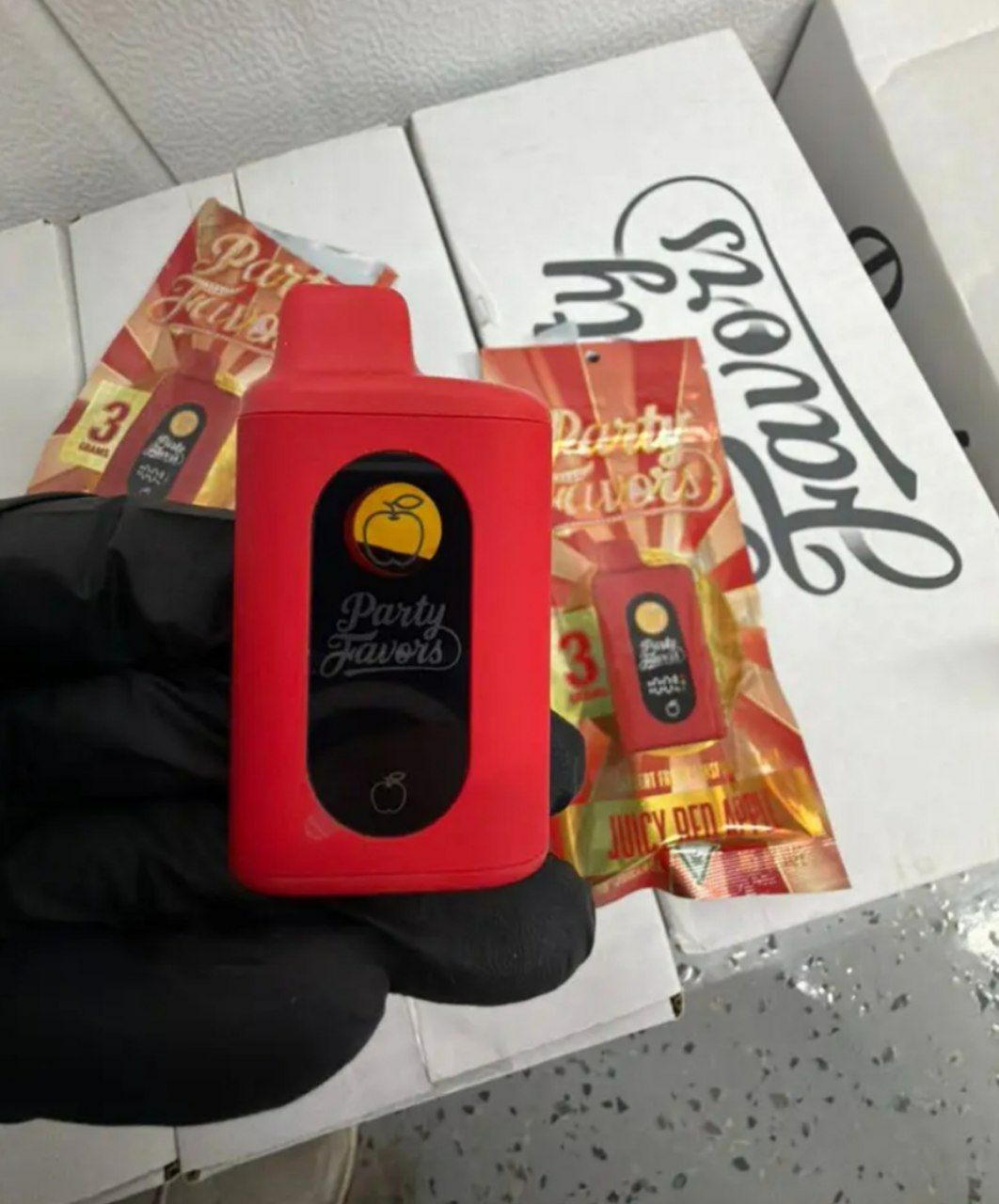


Party Favors 3G Disposable
Introduction
The Party Favors 3G Disposable belongs to a category of compact vaporization devices that integrate several electronic and mechanical components into one portable housing. Unlike traditional vaporization systems that may contain separate batteries, cartridges, tanks, or heating units, a disposable device places these elements within a single integrated structure.
The “3G” designation generally refers to the stated capacity of the product category, although exact specifications can vary by manufacturer, market, and individual product configuration. Therefore, the precise contents, battery capacity, dimensions, ingredients, and operating characteristics should be verified against the manufacturer’s packaging or official documentation rather than assumed from the product name alone.
From an engineering perspective, a disposable device combines several systems that must operate together. The battery provides electrical energy, while the electronic circuitry manages power delivery. Meanwhile, the heating assembly converts electrical energy into heat, and the airflow pathway allows air to move through the internal chamber and toward the mouthpiece.
Because these components occupy a relatively small housing, manufacturers must carefully consider space efficiency, thermal management, structural integrity, and sealing. Consequently, the external appearance of a disposable device often looks considerably simpler than its internal construction actually is.
This overview examines the general design characteristics associated with a Party Favors 3G Disposable while avoiding unsupported claims about formulation, potency, effects, or performance.
Understanding the 3G Disposable Format
A disposable vaporization device is designed around an integrated architecture. The battery, heating element, reservoir, airflow channels, and mouthpiece are typically assembled as a single unit.
The main advantage of this architecture from a manufacturing perspective is simplicity. Separate tanks and interchangeable components are not required because the essential hardware is contained inside the device.
At the same time, this compact structure creates engineering challenges. Internal components must fit within limited space, while the battery needs to remain physically separated from areas where liquid or condensation could reach electronic circuitry.
The stated 3G capacity represents a larger reservoir category than many smaller disposable formats. However, capacity alone does not determine the device’s operating characteristics. Battery size, heating-element design, airflow, viscosity, electronic controls, and manufacturing tolerances can all influence how a device functions.
Therefore, capacity should be viewed as one specification among several rather than as an independent indicator of device quality or performance.
Exterior Construction
The exterior housing provides protection for the internal components. Manufacturers commonly select materials that balance durability, weight, appearance, and production efficiency.
A compact housing may incorporate aluminum, engineered polymers, or combinations of different materials. Metal housings can provide rigidity and structural protection, while polymer components can reduce weight and simplify the molding of complex shapes.
The exterior surface may also include printed graphics, labels, branding, or textured sections. These visual elements serve identification purposes while contributing to the overall physical design.
The shape of a disposable device is another important consideration. Rounded edges can reduce uncomfortable contact points, whereas a flatter profile may make the device easier to store in a pocket or small compartment.
However, appearance does not necessarily reveal internal construction. Two devices can have similar external dimensions while using substantially different internal components.
Internal Architecture
The internal architecture of a disposable vaporization device can be divided into several major sections.
The first is the power system. This generally consists of a lithium-ion battery and associated electronic circuitry.
The second is the heating system, which converts electrical energy into heat.
The third is the reservoir, which contains the material intended for vaporization.
The fourth is the airflow system, which connects intake openings with the heating chamber and mouthpiece.
Finally, the mouthpiece provides the outlet through which air and vapor leave the device.
These systems have to work together within a tightly controlled physical arrangement. Consequently, manufacturing tolerances can have an important effect on reliability.
Battery System
The battery provides the electrical energy required by the heating assembly. Compact lithium-ion cells are commonly used in portable electronic devices because they provide relatively high energy density within a small physical package.
Battery operation is managed by electronic circuitry. Depending on the design, this circuitry can monitor voltage, current, charging conditions, and other operating parameters.
Protection features may include overcharge protection, over-discharge protection, short-circuit detection, and current regulation. These systems are designed to reduce the likelihood of certain electrical faults during normal operation.
Battery performance can also be affected by environmental conditions. Extremely high or low temperatures may influence battery behavior, while physical damage to a lithium-ion cell can create safety concerns.
For that reason, battery-containing devices should generally be handled according to the manufacturer’s safety information.
Heating Technology
The heating element represents another central component of the device.
Electrical resistance causes the heating element to generate thermal energy when current passes through it. That heat is then transferred to the material positioned around or near the heating surface.
Different manufacturers use different heating technologies. Traditional coil systems use a conductive metal element, while ceramic-based systems may incorporate porous ceramic materials with embedded conductive components.
The heating system’s physical configuration influences heat distribution. Engineers therefore evaluate factors such as resistance, surface area, thermal response, and heat dissipation during development.
Consistent thermal behavior is particularly important because excessive or insufficient heating can affect the operation of the device.
However, the specific heating technology used in a particular Party Favors 3G Disposable should be confirmed through manufacturer documentation rather than inferred from the product name.
Airflow Engineering
Airflow is another important part of disposable device architecture.
When air enters through an intake opening, it travels through an internal pathway toward the heating chamber. The resulting airflow then moves toward the mouthpiece.
The geometry of these pathways can influence air resistance and condensation behavior. Small changes in the diameter or positioning of airflow channels may alter how air moves through the system.
Manufacturers therefore consider airflow during the design and testing stages. Computational modeling, prototype evaluation, and production testing can help identify potential restrictions or inconsistencies.
A properly sealed airflow pathway can also help reduce contamination of internal components.
Nevertheless, airflow characteristics differ between models, so specific claims about draw resistance or airflow performance should be based on verified specifications.
Reservoir Construction
The reservoir serves as the storage chamber within the device.
Its construction must provide adequate containment while maintaining compatibility with the stored material. Depending on the design, the reservoir may use specialized polymers, glass, ceramic components, or other materials.
Seals and connection points are particularly important because the reservoir is positioned near electronic components. A compromised seal could allow liquid to move into areas that were not designed for exposure.
Manufacturers therefore evaluate reservoir assemblies for leakage, structural stability, and dimensional consistency.
Temperature can also affect stored materials and reservoir components. Expansion and contraction may occur when products experience significant environmental changes, which is another reason appropriate storage conditions matter.
Wicking System
The wicking system connects the reservoir with the heating element.
Wicking materials use capillary action to transport liquid toward the heating surface. Cotton, ceramic structures, and other porous materials can be used depending on the device design.
The physical properties of the wick influence how quickly material moves toward the heating element. Wick density, pore structure, surface area, and material composition can all affect transport characteristics.
Engineers therefore seek an appropriate balance between liquid delivery and heating behavior.
Because the exact internal design of Party Favors products may vary between production batches or markets, the precise wick material should not be assumed without verified technical information.
Electronic Controls
Modern disposable devices may contain small circuit boards that perform several electronic functions.
These circuits can regulate power delivery and monitor battery conditions. Some designs also include automatic activation systems that detect airflow or pressure changes.
Automatic activation eliminates the need for a physical power button in certain designs. When airflow is detected, the control system can activate the heating element for the relevant operating cycle.
Electronic controls can also help prevent certain abnormal operating conditions. For example, a protection circuit may interrupt power when a short circuit or unusually low battery voltage is detected.
The sophistication of these systems varies substantially between manufacturers and product categories.
Manufacturing Quality
Quality control is an important consideration for any electronic consumer product.
During manufacturing, individual components may undergo inspection before assembly. Batteries can be checked for voltage and physical condition, while heating assemblies can be evaluated for electrical continuity.
Finished devices may also undergo leak testing, visual inspection, airflow testing, and electronic activation testing.
Packaging inspection provides another quality-control stage. Labels should correspond with the product information supplied by the manufacturer, while safety warnings and regulatory information should remain legible.
Independent laboratory testing, where applicable, can provide additional information about the contents of a regulated product. However, the existence and scope of such testing should always be verified through legitimate documentation.
Storage Considerations
Storage conditions can influence both electronic components and stored materials.
Excessive heat may affect batteries and internal materials, while extreme cold can influence battery behavior and viscosity within the reservoir.
Physical pressure can also damage the housing or mouthpiece. Consequently, disposable devices are generally better protected when stored in conditions consistent with the manufacturer’s instructions.
Exposure to moisture should also be avoided because electronic circuitry can be affected by water or condensation.
Packaging may provide specific storage information, and those manufacturer-provided specifications should take precedence over generalized recommendations.
Safety Information
Disposable vaporization devices contain batteries and electronic components, so ordinary battery safety considerations apply.
A damaged, swollen, leaking, unusually hot, or physically compromised device should not be treated as a normal functioning electronic product. Lithium-ion batteries can present fire risks when severely damaged or improperly handled.
Similarly, a device showing evidence of leakage should be kept away from sensitive electronics and handled according to applicable manufacturer safety guidance.
Children and animals should not have access to battery-powered vaporization products or their contents.
Regulatory requirements also differ significantly between jurisdictions. Therefore, information about age restrictions, possession, sale, transportation, and permitted formulations depends on the applicable local laws.
Environmental Considerations
Disposable electronics create environmental considerations because they combine batteries, electronic circuitry, plastics, metals, and other materials.
Unlike conventional household waste, lithium-ion batteries can create hazards when damaged or crushed during waste processing. For that reason, appropriate battery and electronic-waste collection systems are preferable where available.
Recycling availability varies by location. Local waste authorities can provide information about facilities that accept electronic devices or lithium-ion batteries.
The integrated construction of disposable devices can make material separation more complicated than recycling a single-material product. Consequently, responsible disposal remains an important consideration for the broader disposable-device category.
Regulatory Information
Regulations surrounding vaporization products vary considerably by country, state, province, and municipality.
Some jurisdictions regulate product composition, packaging, labeling, advertising, age requirements, manufacturing, testing, and distribution. Other regions may impose additional restrictions.
Because regulations can change, general information should not be treated as legal advice.
For a specific Party Favors 3G Disposable, regulatory status should be verified through current official sources and manufacturer documentation applicable to the relevant jurisdiction.
Party Favors 3G Disposable
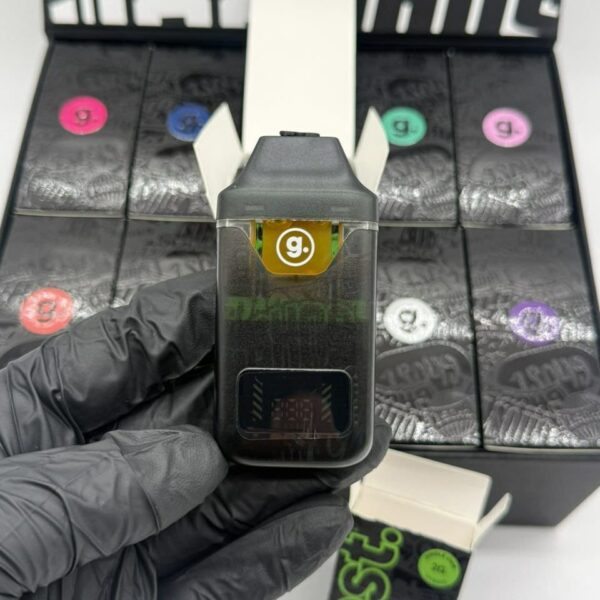
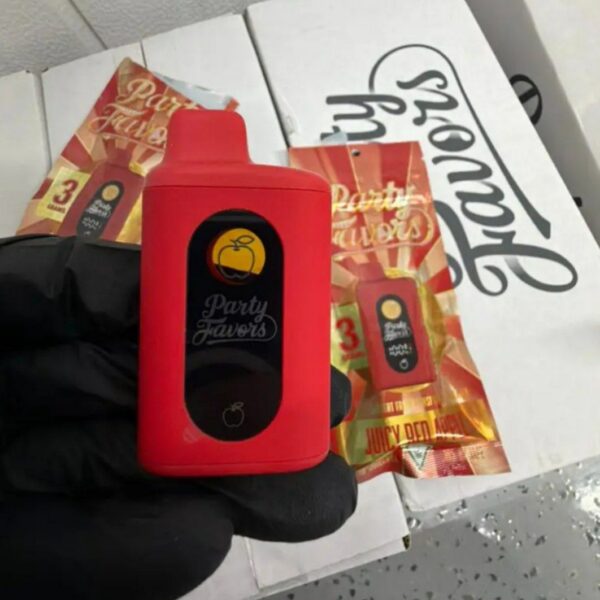
The Party Favors 3G Disposable is a single-use vapor device identified by its stated 3-gram capacity. The product format combines an internal reservoir, heating component, airflow system, and battery within one compact enclosure. Because these components are integrated, the device is presented as a self-contained unit rather than a conventional refillable vapor system.
The exact contents, formulation, hardware specifications, and packaging information depend on the manufacturer and production batch. Therefore, the official product label remains the most reliable source for confirming product-specific details.
Product Category
The Party Favors 3G Disposable falls within the disposable vapor-device category. Products in this category are generally manufactured as integrated electronic units. Unlike refillable devices, disposable models typically contain their principal components within a single housing.
The “3G” designation generally identifies the stated product capacity. However, capacity alone does not establish the composition, concentration, ingredients, or performance characteristics of a particular product.
Device Construction
A disposable vapor device generally incorporates several components into a compact structure. These components may include an outer housing, internal reservoir, heating element, airflow channel, battery, and mouthpiece.
The external housing protects the internal assembly during transportation and storage. Meanwhile, the heating element is positioned within the device’s internal structure and is connected to the power system.
Manufacturing methods vary among producers. As a result, dimensions, materials, airflow configuration, battery specifications, and internal architecture can differ between models.
3G Capacity
The 3G designation is a product identifier associated with the stated capacity of the device. It should not automatically be interpreted as a measurement of potency or quality.
Specific information about net contents should be obtained from the official packaging. Regulatory labels may provide additional information concerning contents, ingredients, testing, and manufacturing details.
Integrated Battery System
Disposable vapor devices use an integrated battery to power the heating component. Depending on the particular model, the battery may be rechargeable or designed for the expected operating life of the device.
Battery construction is an important aspect of electronic-device safety. Physical damage, excessive heat, moisture, or improper storage can affect battery integrity. Therefore, manufacturer-provided safety information should remain the primary reference for handling the device.
Airflow and Heating Components
The airflow pathway connects the mouthpiece with the internal heating assembly. When the device is activated, air movement and the heating system work together within the enclosed structure.
Different disposable devices use different activation methods. Some models incorporate draw-activated systems, while others may use electronic controls. The exact mechanism used by the Party Favors 3G Disposable should be confirmed through its packaging or manufacturer documentation rather than assumed from the product category.
Exterior Design
The external appearance of a disposable device may include printed graphics, branding, product identification, and other markings. These elements can vary between production runs and packaging versions.
The casing also provides a protective layer around the electronic components. Consequently, visible damage to the housing can be relevant to the overall condition of the device.
Packaging
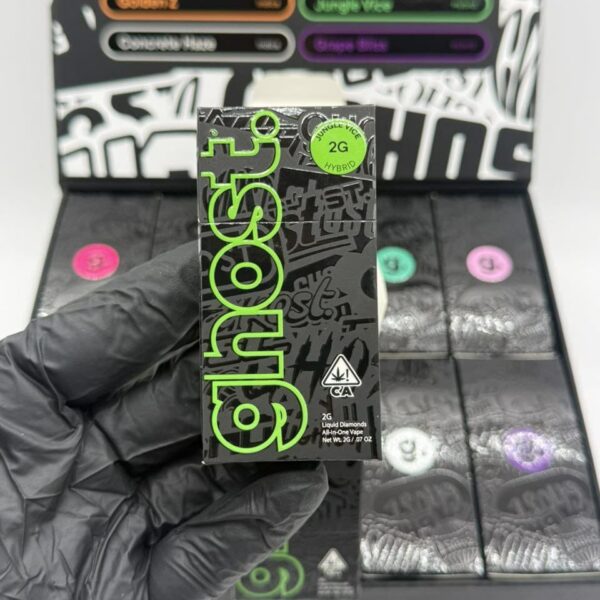
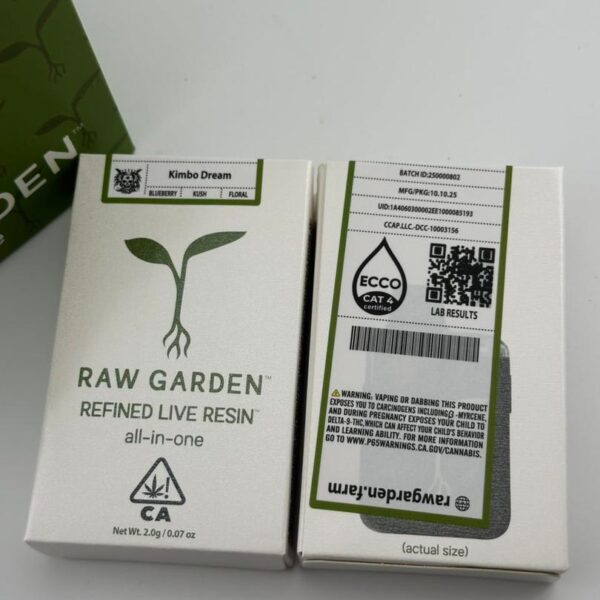
Packaging provides both physical protection and product information. Depending on applicable regulations, the package may contain identification details such as:
- Product name
- Brand or manufacturer
- Net contents
- Batch or lot number
- Packaging date
- Required warnings
- Ingredient information
- Testing information where applicable
- Storage information
- Regulatory statements
Packaging requirements vary by jurisdiction. Accordingly, the label supplied with a particular unit should be treated as the authoritative source.
Manufacturing Information
Commercial disposable devices typically pass through multiple stages during manufacturing. Components may be produced separately before being assembled into the finished unit.
Quality-control procedures can include visual inspection, electrical testing, reservoir checks, packaging verification, and batch identification. The specific procedures used by a manufacturer are not necessarily identical across brands or production facilities.
Where regulated products are involved, manufacturing and testing requirements may also be established by local authorities.
Product Identification and Traceability
Batch and lot numbers can help manufacturers maintain product traceability. These identifiers may connect an individual package with a particular production period or manufacturing run.
Traceability can support inventory management, quality-control processes, and regulatory documentation. When laboratory testing is required, batch information may also be associated with testing records.
Consumers looking for verification should refer to official packaging, laboratory documentation where available, and authorized regulatory resources.
Storage Considerations
Electronic disposable products are generally stored in conditions that limit exposure to excessive heat, moisture, and direct sunlight. Suitable storage conditions can help preserve the physical condition of the device and its packaging.
The device should remain protected from crushing, puncturing, and other forms of physical damage. Furthermore, products containing batteries should be handled according to the manufacturer’s instructions.
Storage requirements can vary depending on the specific device and product contents. Official packaging therefore provides the most appropriate guidance.
Transportation
Transportation requirements may apply to products containing batteries or regulated substances. Commercial transportation can involve packaging, labeling, and documentation requirements that differ according to destination.
Cross-border transportation may involve additional restrictions. Therefore, the legal status of a product in one jurisdiction does not necessarily establish its legal status elsewhere.
Regulatory Considerations
Laws concerning cannabis products and vapor devices differ significantly between countries, states, provinces, and municipalities. Regulations can address manufacturing, laboratory testing, packaging, labeling, age restrictions, possession, distribution, and disposal.
Consequently, product descriptions should not be treated as evidence of legal availability in a particular location. Official government resources and applicable regulations provide the appropriate source for legal requirements.
Safety and Handling
Disposable electronic devices should be handled carefully. Products showing visible damage, leakage, unusual heat, or other signs of malfunction may present safety concerns.
The device should be kept away from children and pets. Additionally, battery-containing products should not be exposed to extreme environmental conditions.
Manufacturer instructions and applicable regulations should take precedence over generalized information about the disposable-device category.
Environmental Considerations
A disposable vapor device contains electronic components and, in many cases, an integrated battery. As a result, the device should not automatically be treated as ordinary household waste.
Electronic-waste collection programs may be available in some communities. Battery recycling programs may also provide appropriate disposal routes. Local waste-management authorities can provide information about available facilities.
Responsible disposal reduces the likelihood that electronic components will enter unsuitable waste streams.
Label Verification
Product information can change between manufacturing batches. Packaging designs may also be updated to comply with changing regulations.
For this reason, information such as capacity, ingredients, testing results, manufacturer identity, and batch details should be verified against the physical product label.
A general catalog description can explain the product format, but it cannot replace official documentation.
Frequently Asked Questions
What does “3G” mean?
The “3G” designation generally refers to the stated capacity associated with the product. It does not, by itself, describe potency, formulation, or expected performance.
Is the Party Favors 3G Disposable refillable?
The product is identified as a disposable device. However, the manufacturer’s documentation should be consulted for the exact hardware configuration.
Does every unit have identical specifications?
Manufacturing specifications are intended to remain consistent within defined production standards, although packaging, hardware revisions, and labeling can change between batches.
Where can product information be verified?
The official packaging, manufacturer documentation, applicable laboratory records, and relevant regulatory resources provide the most reliable sources of product-specific information.
How should the device be stored?
Storage should follow the manufacturer’s stated recommendations. In general, electronic devices benefit from protection against excessive heat, moisture, direct sunlight, and physical damage.
Conclusion
The Party Favors 3G Disposable represents a self-contained vapor-device format with an integrated reservoir, heating system, airflow pathway, and battery. Its 3G designation identifies the stated capacity associated with the product, while the precise formulation and technical specifications depend on manufacturer documentation.
Packaging serves an important role by providing identification, traceability, safety information, and regulatory labeling. Moreover, responsible storage and disposal remain relevant considerations for electronic disposable devices.
Because regulations and product specifications vary, official labeling should remain the primary reference for any specific Party Favors 3G Disposable unit. This informational overview describes the general product format without making claims about effects, quality, potency, or consumer outcomes.







Reviews
There are no reviews yet.